Wonderful news for literary researchers and enthusiasts: the Ward Swift Just Papers have grown substantially in size and completeness! The new collection now more fully represents Just’s remarkable and multidimensional career in both news and creative writing, thanks to a recent substantial donation from the Just Family.

The correspondence series of Just’s papers, alone, has increased tenfold. Some highlights include the young writer’s letters home to his family from Cranbrook School and Trinity College, as well as letters with many friends, fellow writers, and literary editors.
We also now have letters, reporter’s notes, images and clippings from the year and a half (December 1965-1967) when Ward Just, age 30-32, covered the American War in Vietnam for The Washington Post. Before his death in 2019, Just told Cranbrook Archives that the addition of these papers would be of special interest to scholars of the Vietnam War. They also give a much fuller story of these formative years in Just’s life and career.
Just unintentionally became a news story when he was injured by grenade blast on assignment in June 1966, while accompanying a commando-reconnaissance unit of the 101st Airborne during Operation Hawthorne in Kon Tum Province, South Vietnam. As a reporter, Just wanted to be where the soldiers were. He was lucky to survive that day; many in the elite unit he was trailing did not. After a period of convalescence, Just returned to the Washington Post’s Saigon office.

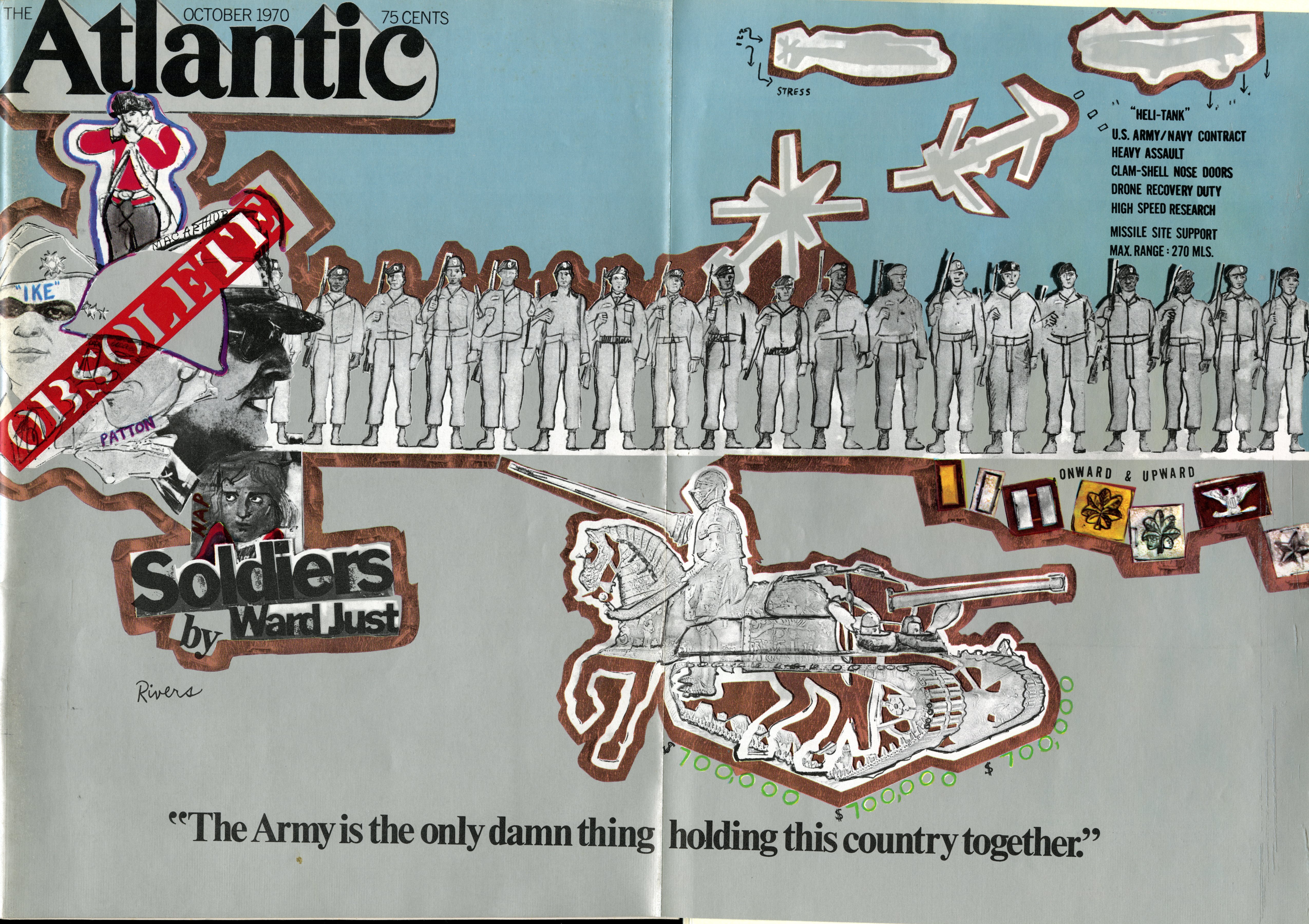
The material Just saved from Vietnam covers a range of topics – from letters with friends and colleagues, like war correspondents Martha Gellhorn and Bill Tuohy, and diplomat Frank George Wisner, to research on press events with figures like South Vietnamese General Nguyen Cao Ky and the United States General William Westmoreland.
It also includes dozens of letters to Just from American Army Colonel David Hackworth, who was in remote radio command of the unit Just was with when injured. Hackworth retired in the middle of an incredible military career, over the leadership misdirection he perceived for American armed forces.
In May 1967, Just took a leave of absence in Ireland to write what would become his first book, To What End: Report from Vietnam (1968). He took the trip with Frances FitzGerald, also taking a break from covering the war, before the publication of her own Vietnam book, Fire In The Lake, which would win the Pulitzer Prize in 1972.
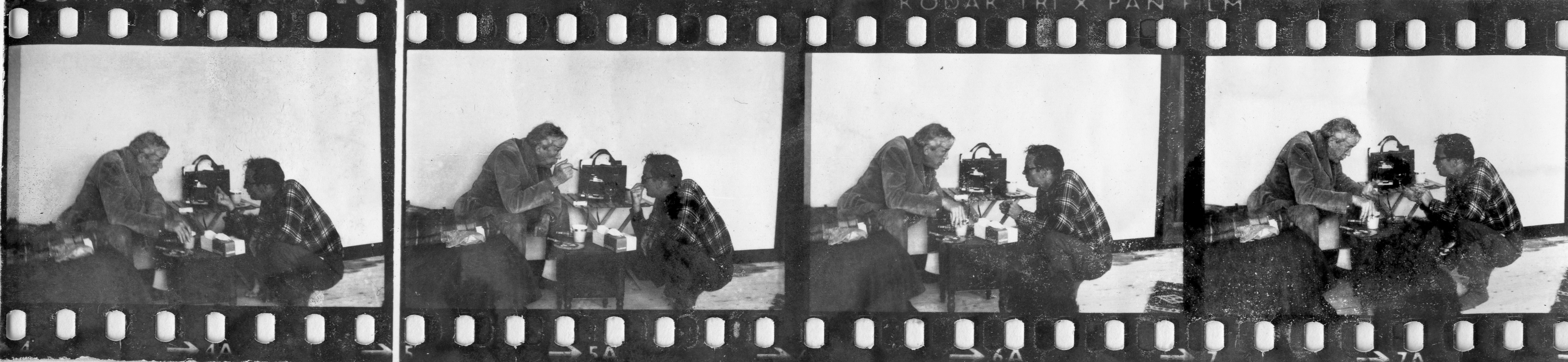
The collection now contains more documents from all periods of Just’s writing.
Just’s career in journalism is preserved in typescripts and tearsheets, clippings and scrapbooks from his award-winning student writing for the Cranbrook Crane, then for his family paper, The Waukegan News-Sun, working for news magazines like The Reporter and Newsweek, to his war coverage and powerful op-ed writing for The Washington Post.
Just claimed he quit writing newspaper journalism at age 35, though he remained in a leadership role at the News-Sun. Meanwhile his own writing switched to focus on long form reporting and short story writing, then moved almost entirely to novels.
All of Ward Just’s 24 books are now represented in the collection; he kept files of correspondence and press for each title and most books are also represented in manuscripts and/or printer’s galleys, some with multiple drafts documenting his writing and editing process.
We are excited to help researchers interested in this collection, whether it’s Vietnam War history, or Ward Just’s extraordinary biographical and literary history.
—Meredith Counts, Archives Assistant, Cranbrook Center for Collections and Research
Editor’s Note: Recommended reading! When I was just starting to get the boxes of this collection under one roof in 2022, I spent my commutes listening to Just’s 2004 novel, An Unfinished Season. A coming-of-age story set in Chicago’s country club suburbs in the 1950s, the teenaged main character navigates a newsroom internship, his father’s attempts to quash his unionizing employees, and a dazzling romance with a young woman whose family has unique troubles of their own. Similar to much of Ward Just’s life’s work – it’s a heck of a story.
Discover more from Cranbrook Kitchen Sink
Subscribe to get the latest posts sent to your email.
 Cranbrook Kitchen Sink
Very interesting. So I can now factor in Just along with Green Beret poster boy Pete Dawkins and Pentagon Papers’ Daniel Ellsberg. I’ll be sure to check out the books mentioned.
LikeLike