Do you love sharing great stories? Are you the person who says “Did you know…?” at parties? When you discover something wonderful, do you instantly need to share it with friends? Do you love art, architecture, and design, and, have you ever mused to yourself, “‘Life without beauty is only half lived,’ and I want to be fully living!“?

If you answered “yes!” to any of the above, the Cranbrook Center for Collections and Research has a place for you on our Collections Interpreter team! As tourism to Detroit grows—and with Cranbrook recently earning a three-star Michelin Guide rating—we are looking for more great storytellers to help us share the magic of Cranbrook’s art, architecture, and design. Read on to learn more, or go ahead and sign up for a Collections Interpreter information session with me (curator Kevin Adkisson) here!

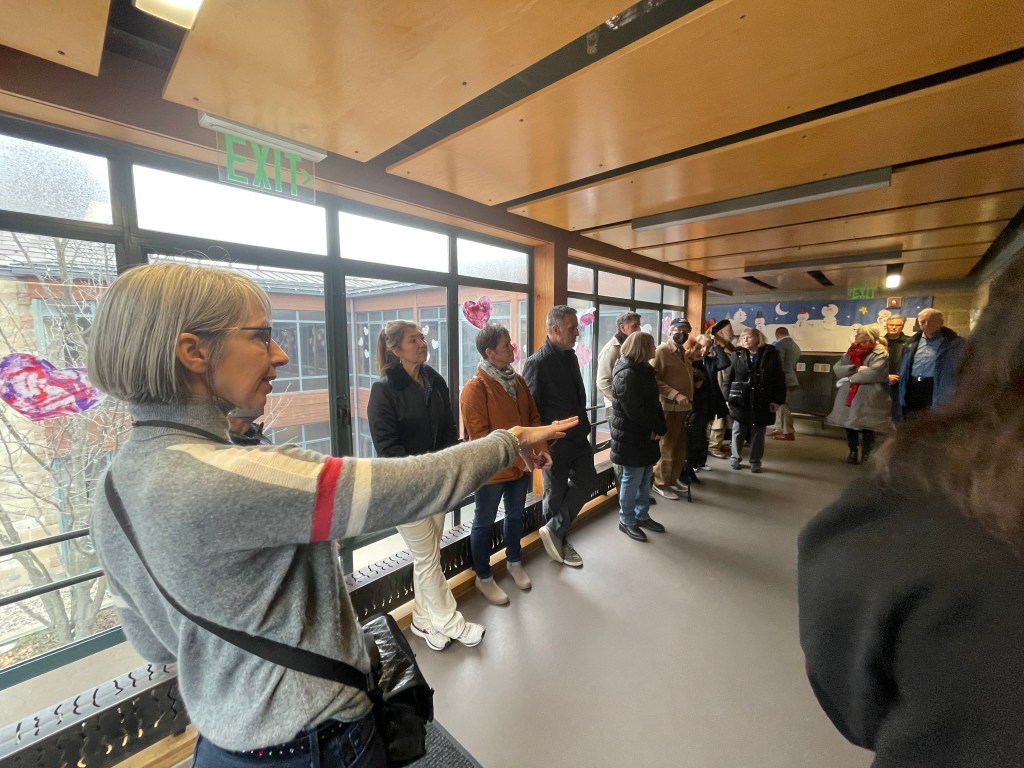
Each year from May to November, Collections Interpreters (CIs) lead public and private tours through Cranbrook’s architectural gems. Regularly scheduled public tours focus on two of our historic houses.
First is Saarinen House, the jewel-box Art Deco home of architect Eliel Saarinen and textile designer Loja Saarinen, filled with furniture, fabrics, and works of art made at Cranbrook to the Saarinen family’s own design. As you walk with visitors past the dancing fountains and verdant grounds, tours of Saarinen House also touch on the history of Cranbrook Academy of Art.
Just a short drive away, CI’s lead tours of the Frank Lloyd Wright-designed Smith House, a 1950 Usonian treasure tucked into the neighborhood. Built for two Detroit public school teachers, it is a masterpiece of modesty—proving that great architecture is not just for the wealthy. Tours talk about Wright’s architecture and its quirks, share the story of how the Smiths’ manifested their remarkable dream, and highlight objects of your choosing from the inspiring (and vast) collection of midcentury studio craft.

Collections Interpreters also lead monthly Japanese Garden Tours, helping guests explore one of North America’s oldest Japanese-style gardens, and the Three Visions of Home Tour. A fascinating look at three famed architects ways of shaping home, this tour connects Cranbrook’s founders’ Albert Kahn-designed home, Saarinen House, and Smith House. The CI’s also help guide and share stories during other Center Behind-the-Scenes Tours or special events.
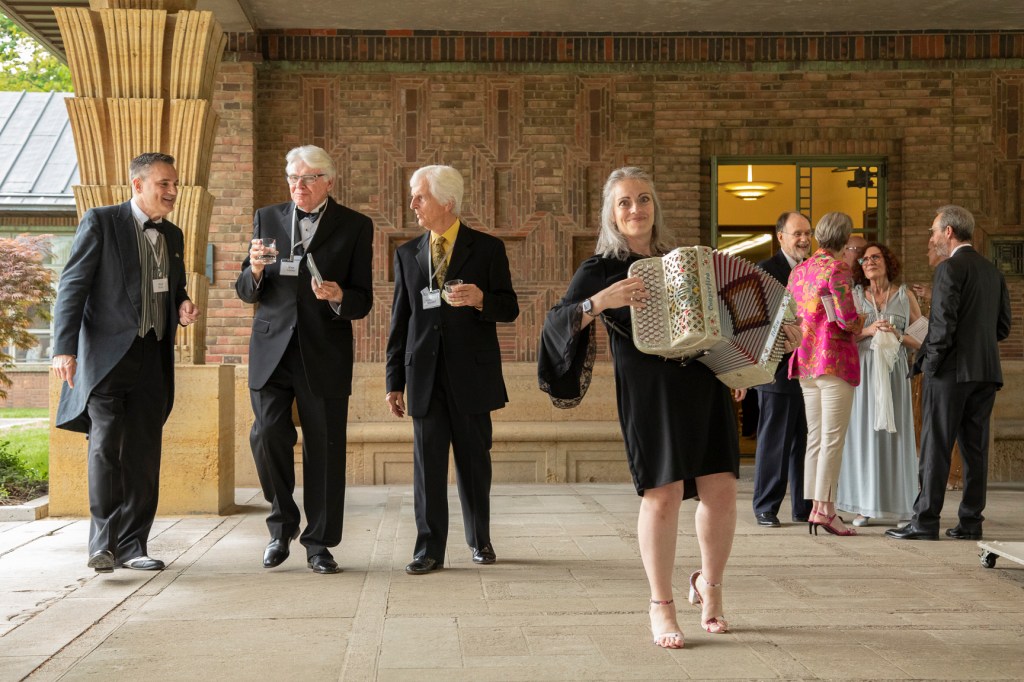
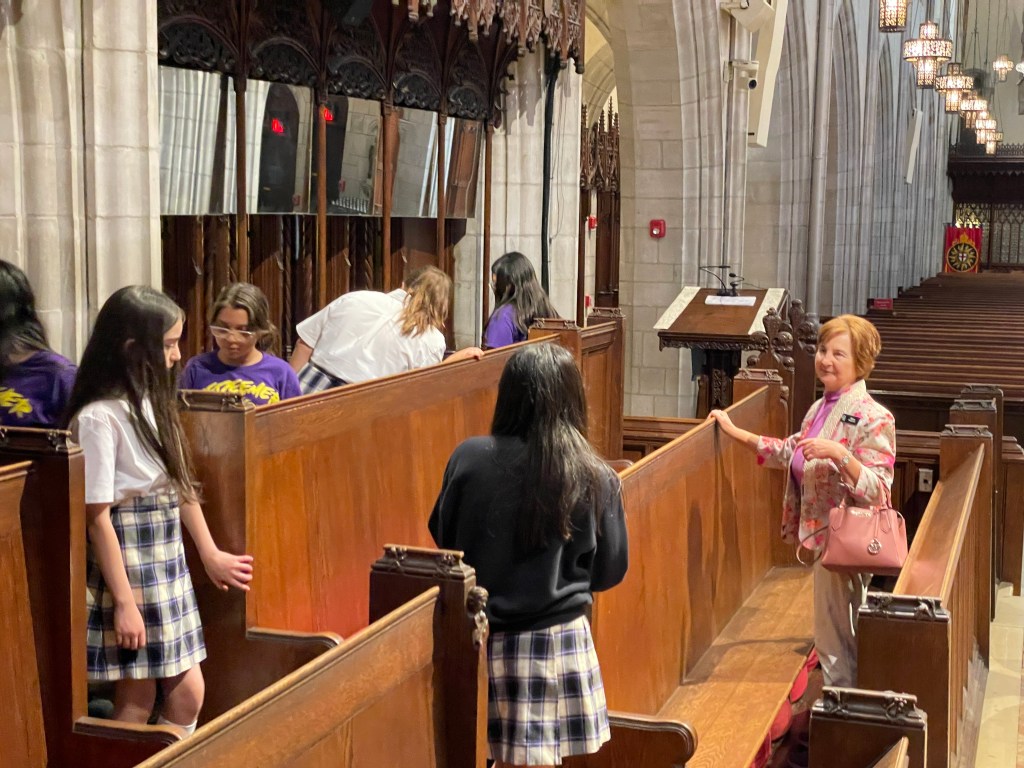
CIs may also help lead tours for Cranbrook Schools classes; Academy of Art students, artists-in-residence, and visiting artists; Horizons-Upward Bound scholars; and student groups of all ages and interests.
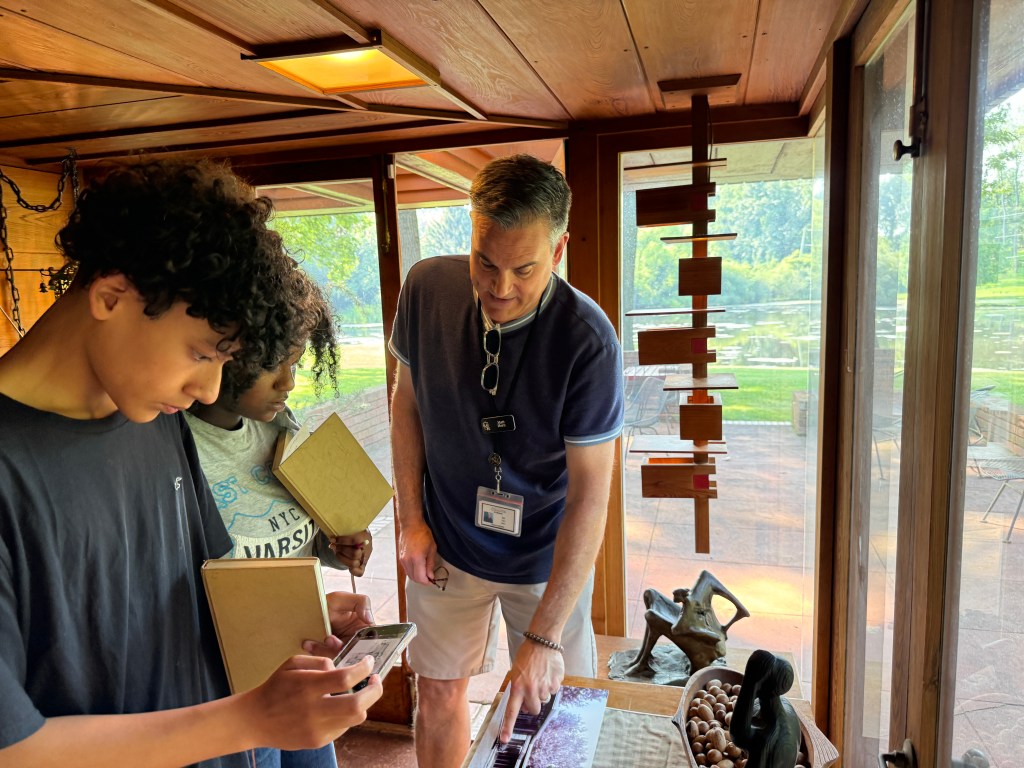
You might be wondering: who comes to Cranbrook? People from Birmingham, Baltimore, Bangkok—and just about everywhere in between. As a Collections Interpreter, you help to welcome them all. It’s easy when your setting is Cranbrook, a place The New York Times Magazine famously called “the most enchanted and enchanting setting in America.”
No two tours—and no two visitors—are ever the same. It’s exciting!
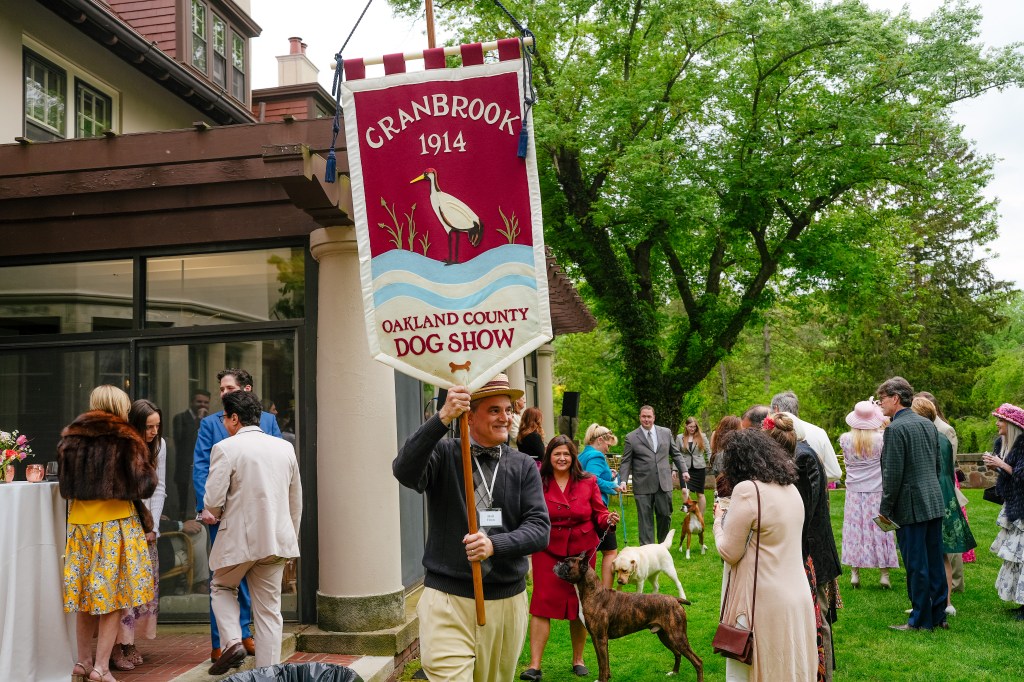
You do not need to know the whole Cranbrook story (yet!). We provide literature, training, shadowing, and plenty of time to master the content of each site. You will join a small but mighty team of fellow CIs, Elena, Matt, Lynette, and Diane, who bring a wide range of professional backgrounds and a love of learning and storytelling to the position.
This flexible, part-time position is perfect for outgoing, curious people who enjoy public speaking, problem solving, and leading groups. Tours typically run Thursday through Sunday, with occasional evening and weekend special events. CIs typically work two weekends a month. A background in education, art, design, architecture, or history is helpful, but not required.
Want to learn more? Kevin Adkisson, Curator (and Collections Interpreter supervisor), will lead three free Information Sessions this spring and summer:
- Thursday, May 29 at 6:00pm
- Thursday, June 12 at 6:00pm
- Sunday, June 22 at 12:00pm
All sessions begin at Cranbrook Art Museum and take place in Saarinen House. Please sign up for the information sessions here.
Come learn about this rewarding role, visit Saarinen House in a collegial setting, ask lots of questions, and imagine yourself helping guests fall in love with the Cranbrook vision!
Already know you want to join the Center team? View the full job description and apply here: Collections Interpreter Job Description
We cannot wait to meet you and welcome you to our storytelling team!
—Kevin Adkisson, Curator, Cranbrook Center for Collections and Research
Discover more from Cranbrook Kitchen Sink
Subscribe to get the latest posts sent to your email.
 Cranbrook Kitchen Sink
I have given garden tours for a few years. I always start by giving people a very brief history of the house and the Booths while overlooking the sunken garden.The Booths were Victorians. Every Victorian manor home or estate had a sunken garden. Today it is decorative but I believe that it was meant to provide food for the household. The sunken garden has the greenhouses to the south, where “starts” of lettuces, spinach, pepper etc were grown and then placed very early in the sunken garden which would have warmed up way before the surroundings. Notice that the high masonry wall on the north side of the garden would have absorbed heat during the day and reflected, not only heat but light onto the plants below. The greenhouse actually has a seed starting room which is below the frost line so that seeds could be started very early, grown on in the greenhouse before setting out in the garden.
To the north of the rock wall is an herb garden and this is right next to the kitchen of the manner home. Therefore, everything to make a meal was available for the cook a few steps from the kitchen.
I have found that people are very interested in this bit of history and I think I would like to see more research done on that.
LikeLike