Structural Engineering: Bridges of the Japanese Garden

This spring, Dawn Straith, Innovation & Technology Specialist at the Vlasic Early Childhood Center & Cranbrook Kingswood Lower School Brookside, used the bridges in the Japanese Garden as a tool in her Design Thinking Unit with the Senior Kindergarteners. I asked Mrs. Straith to explain the project.
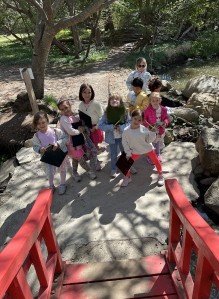
The Senior Kindergarteners exploring the Cranbrook Japanese Bridge (aka Red Wood Bridge) in the Japanese Garden, 2025.

DS: In our design thinking and engineering unit, the Senior Kindergarten students became bridge investigators! They explored six different bridges in the Japanese Garden to see how safe and strong they are. While investigating, they discovered that bridges with beams and columns are much stronger than those without. They considered what goes over and under the bridges, who and what use the bridges, the materials the bridges are made from, and whether they had handrails. Some bridges didn’t have handrails at all, which we determined made them feel a bit less safe. They also noticed that the ground near a few of the bridges was eroding, which isn’t as safe either.

Side view of the Japanese Garden Round Island Footbridge.

DS: The bridge to “Round Island” (a small island the children have affectionately named for themselves as “SK Island”) got the lowest safety score—it’s tilted, there are no support beams, the ground is eroding, the materials used aren’t the strongest and there are no handrails to hold onto!
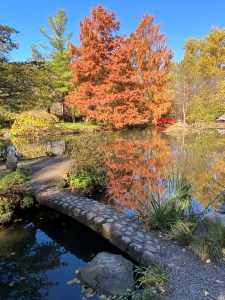
Japanese Garden Round Island Footbridge from the eastern shore of the Lily Pond. Photo by Saida Malarney.

DS: After analyzing all this, the students got to work designing a safer bridge for “SK Island”. They learned that triangles are super strong shapes and that engineers use them all the time when building bridges. With their users in mind, the students carefully designed and built models of brand-new, safer bridges. Their final step is to share their ideas with the garden’s groundskeepers.
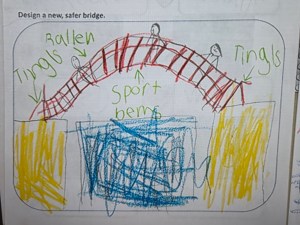
Round Island Bridge design, incorportating safety features like “rallens” and “sport beams.”

Enter the Center, the aforementioned “garden’s groundskeepers”!

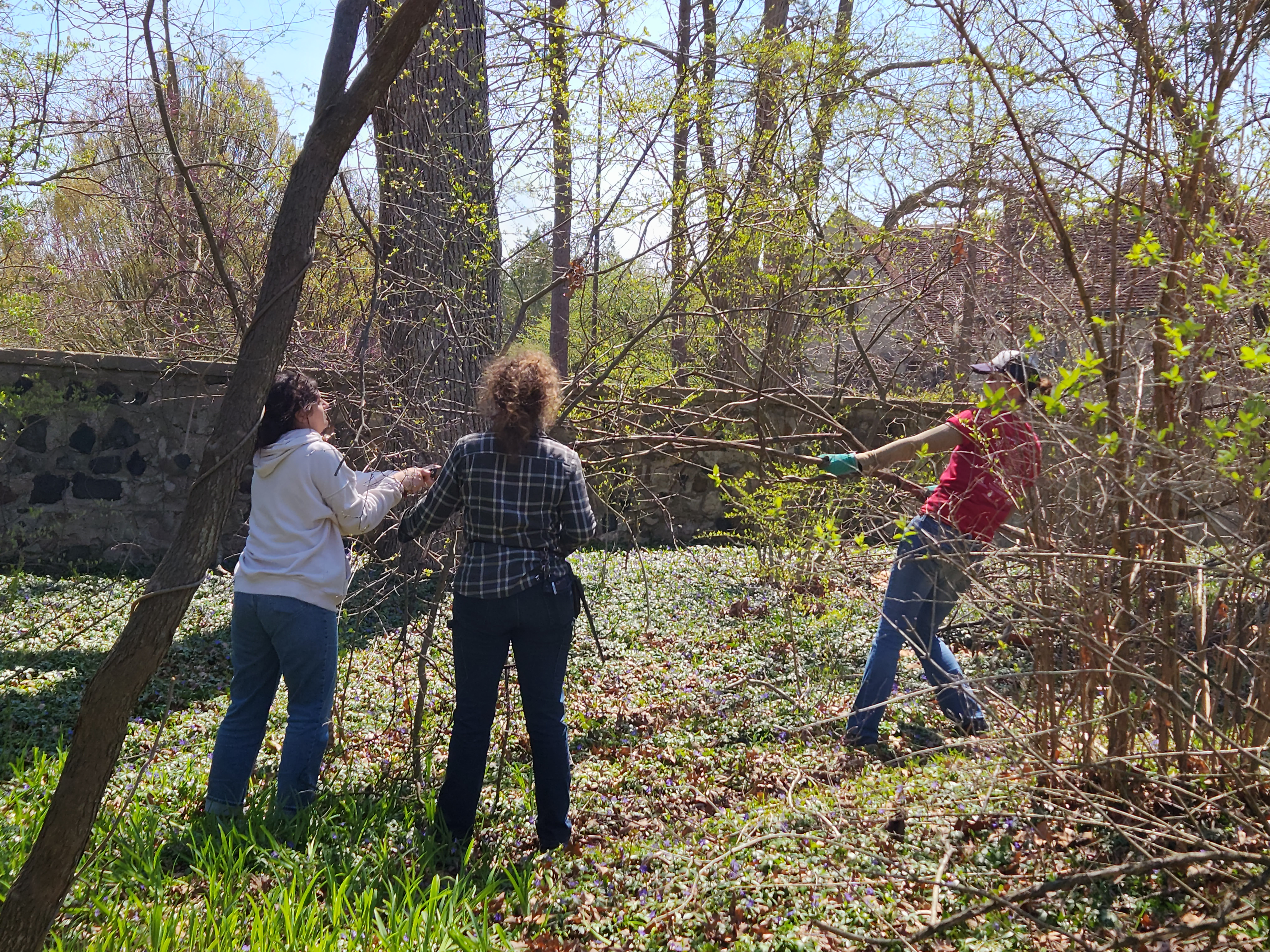
I am the “Proud Museum Person” with some of our Japanese Garden volunteers working in the garden in April 2025.

As the Associate Registrar, and once-a-month “Gardener” in the Japanese Garden, I was invited to visit the SK classes as they presented their bridge models.

Most of my friends in SK had already helped cover garden sculptures for a number of seasons, so I knew they understood taking care of objects on the campus, but I was once again impressed by our students. They carefully considered what changes could be made to make our bridge safer for all visitors — kids, parents, guests with limitied mobility, and furry friends.

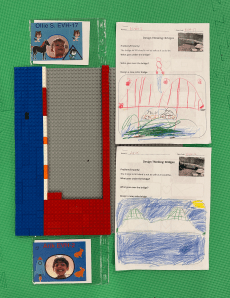
A very big THANKS! to our SK engineers.

Some of the students’ ideas even aligned with designs by our garden designer Sadafumi (Sada) Uchiyama, a third-generation Japanese gardener, registered landscape architect, and Curator Emeritus of Portland Japanese Garden.

Design for Round Island Bridge by Sadafumi Uchiyama.
Design for Round Island Bridge by Gretchen and Liam.

As we start the construction of the new Welcome Garden in the Japanese Garden this summer, we hope our future structural engineers will return in the fall to see how we are progressing.

Leslie Mio, Associate Registrar, Cranbrook Center for Collections and Research

Spring Cleaning 2023

Each year, the Center staff does spring cleaning around the Cranbrook Community’s campus.

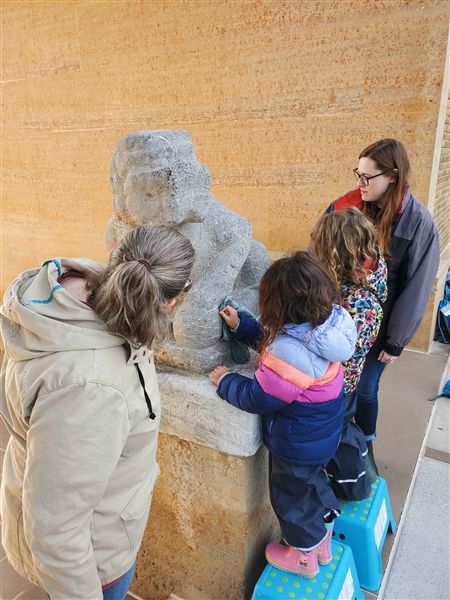
To kick off our spring cleaning this year, in collaboration with Meghan Morrow from Cranbrook Art Museum, Brookside’s Vlasic Early Childhood Center Pre K, JK, and multi-age classes helped us “awaken” the outdoor sculptures, covered for the winter, with a good-morning song. They helped remove the covers, check for any new cracks, and wipe and polish the sculptures.

Friends from the ECC help polish Marshall M. Fredericks’ The Thinker . . .
. . . and the Chinese Lion at Cranbrook Art Museum. Both images are courtesy Cranbrook Schools.

We then needed to get the fountains and sculptures ready for our House Party fundraiser on May 20 (sorry, already sold out). Utilizing Graffiti Solutions’ “Elephant Snot,” we worked with Cranbrook House and Gardens Auxiliary volunteers to clean the Fountain on West Terrace and Mario Korbel’s Harmony.

Cranbrook House and Gardens Auxiliary volunteers Helen Maiman, Bruce Kasl, Cheryl Becker, and Joyce Harding assist me in cleaning the Fountain on West Terrace at Cranbrook House. Auxiliary volunteer Nancy Kulish, photographer.
Joyce and I giving Harmony her spring mani-pedi. Nina Blomfield, photographer.
Nina gives Harmony a quick rinse. Leslie Mio, photographer.

Below are the results. This was just one day after the cleaning, and, typically, the sculptures look better and better as the weeks go on.

Look for an upcoming post about our ECC friends working with the Elephant Snot to clean more stonework in the garden!

The spring also means a new season of work in the Japanese Garden. Pulling vines, before the poison ivy blooms, was a fun, end-of-the-day task for our volunteers this week.

Volunteers Lindsay Shimon and Melinda Krajniak assist Master Gardener Emily Fronckowiak with invasive vines around the Japanese Garden. Leslie Mio, photographer.

Interested in becoming a Cranbrook Japanese Garden Volunteer Gardener? We would love to hear from you!

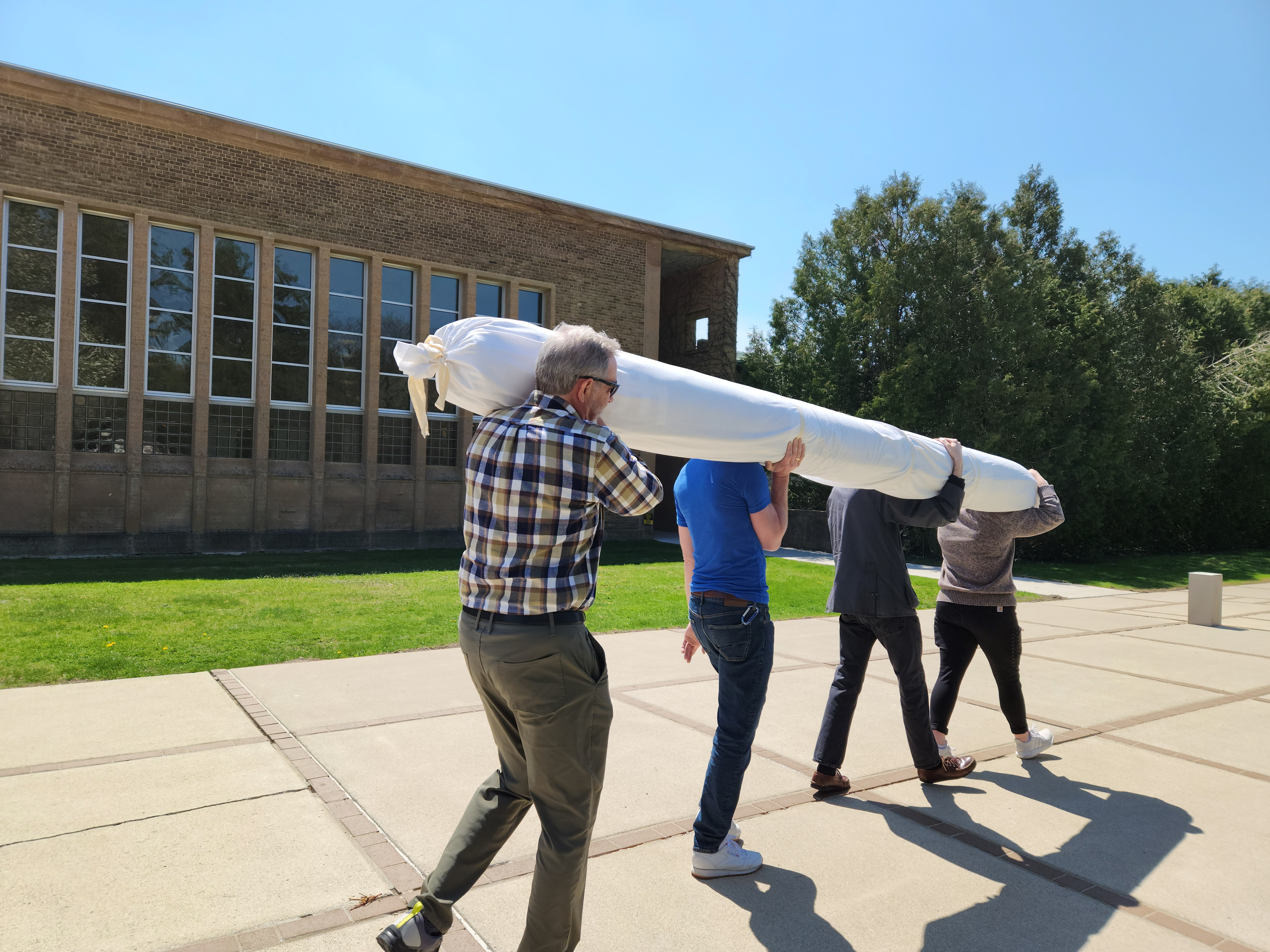
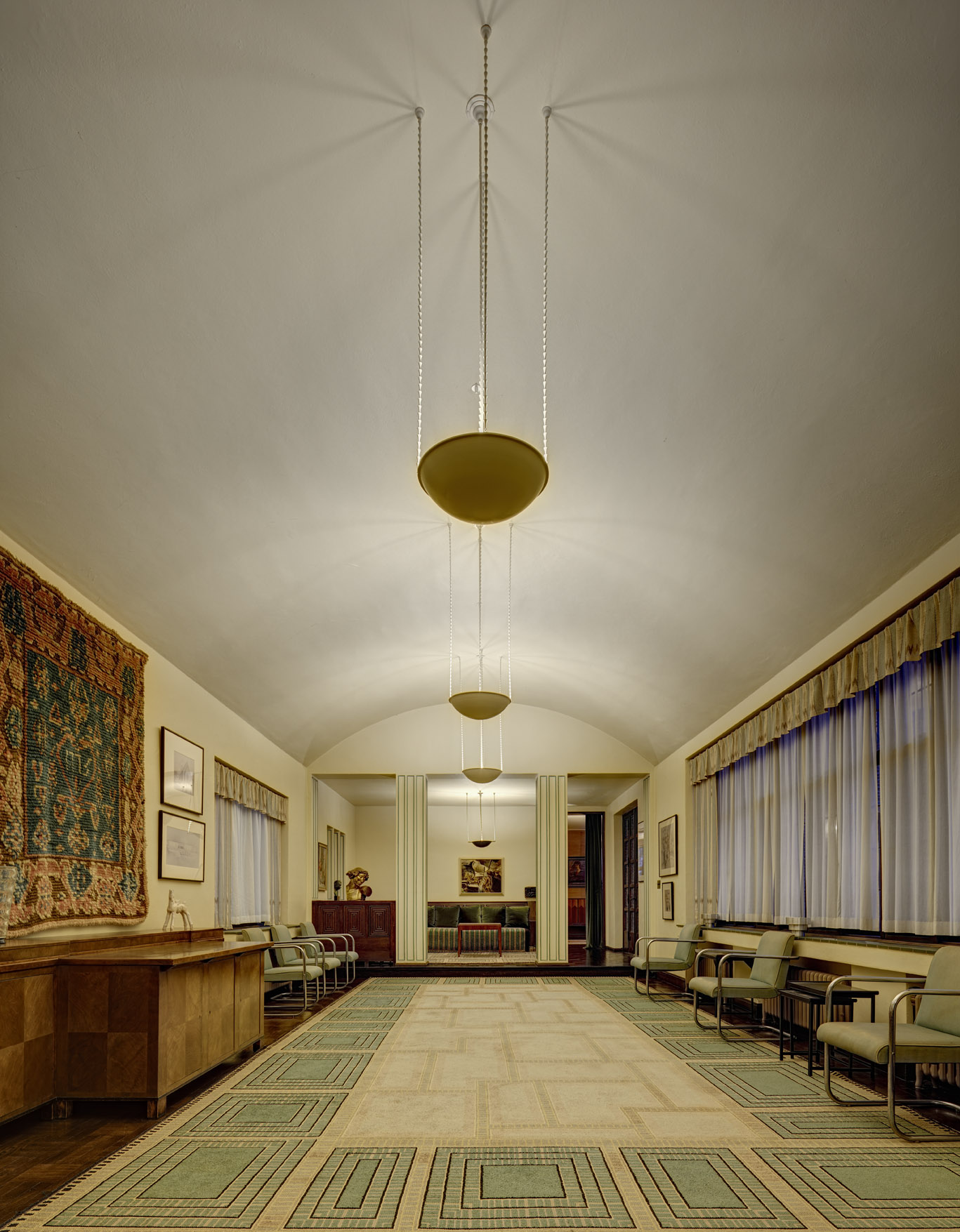
Not to be outdone, Saarinen House wanted to be part of spring cleaning as well. On location in the Art Museum vault for a photoshoot this past winter, the Saarinen House Studio rug was carried back to the house and reinstalled. As Greg Wittkopp, Center Director, said, “The room does look less Gesamtkunstwerk-ish without it.”

“I’m ready for my close-up, Mr. [Haefner].”
The Saarinen House Studio rug gets the star treatment from photographer James Haefner as Center volunteer Jessica Majeski looks on. Kevin Adkisson, photographer.
Center staff and volunteers move the Studio rug back to Saarinen House. Leslie Mio, photographer.
Gesamtkunstwerk!
James Haefner, photographer.

The best part about our spring cleaning is showing off the results. Come see Harmony in the Cranbrook House gardens on a warm day.

The Center’s 2023 Tour season is also beginning. In addition to our Saarinen House and Smith House tours, new tours have been added:

Japanese Garden Tours – Center staff-guided tours of the Japanese Garden have been added to the public tour calendar on one Sunday a month at 1:30pm, May through October.

Three Visions of Home tours – Join Cranbrook Center for Collections and Research as we take you inside three remarkable homes from across the twentieth century. There’s no tour quite like it, with a look into the distinct visions for American life from three internationally significant architects: Albert Kahn, Eliel Saarinen, and Frank Lloyd Wright. Your expert guide will take you through the architecture and innovations of each home, while also sharing the stories of the families who built and lived in these special places.
We hope to see you on campus this season!

Leslie Mio, Associate Registrar, Cranbrook Center for Collections and Resarch

Create a website or blog at WordPress.com