Sixty Years of HUB Goes Live

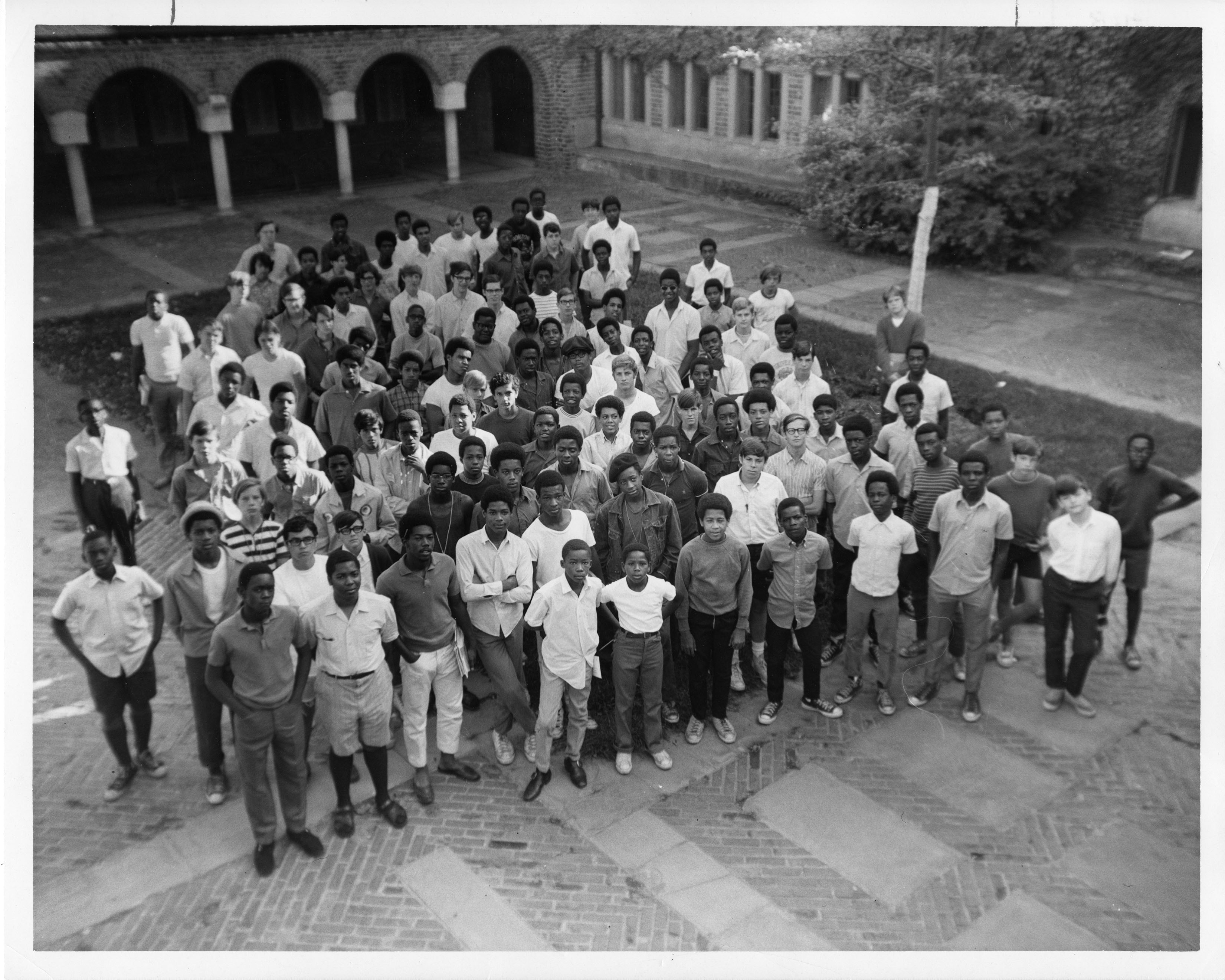
This week Cranbrook Archives launched Sixty Years of Horizons-Upward Bound, 1965-2025, a virtual exhibition of HUB’s history, told primarily through photographs. While the HUB program celebrates its sixtieth anniversary this year, we’ve partnered with Amy Snyder, daughter of HUB’s founder, Ben Snyder, to select images from each decade. Those from HUB’s first five years are now available, with new images from subsequent decades slated to be revealed on a monthly basis as the HUB digitization project continues.

Aerial view of HUB summer of 1970. Henry A. Leung, photographer. Courtesy of Cranbrook Archives.

A Collaborative Effort

Creating captions for the exhibition coincided with efforts to describe each of the 2,200 images scanned so far. While some photographs included detailed annotations, describing persons and subjects, many did not, requiring additional research.

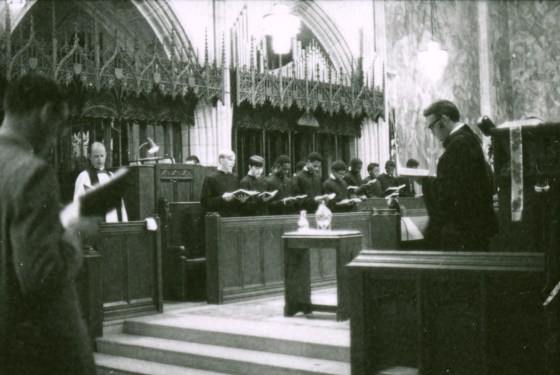
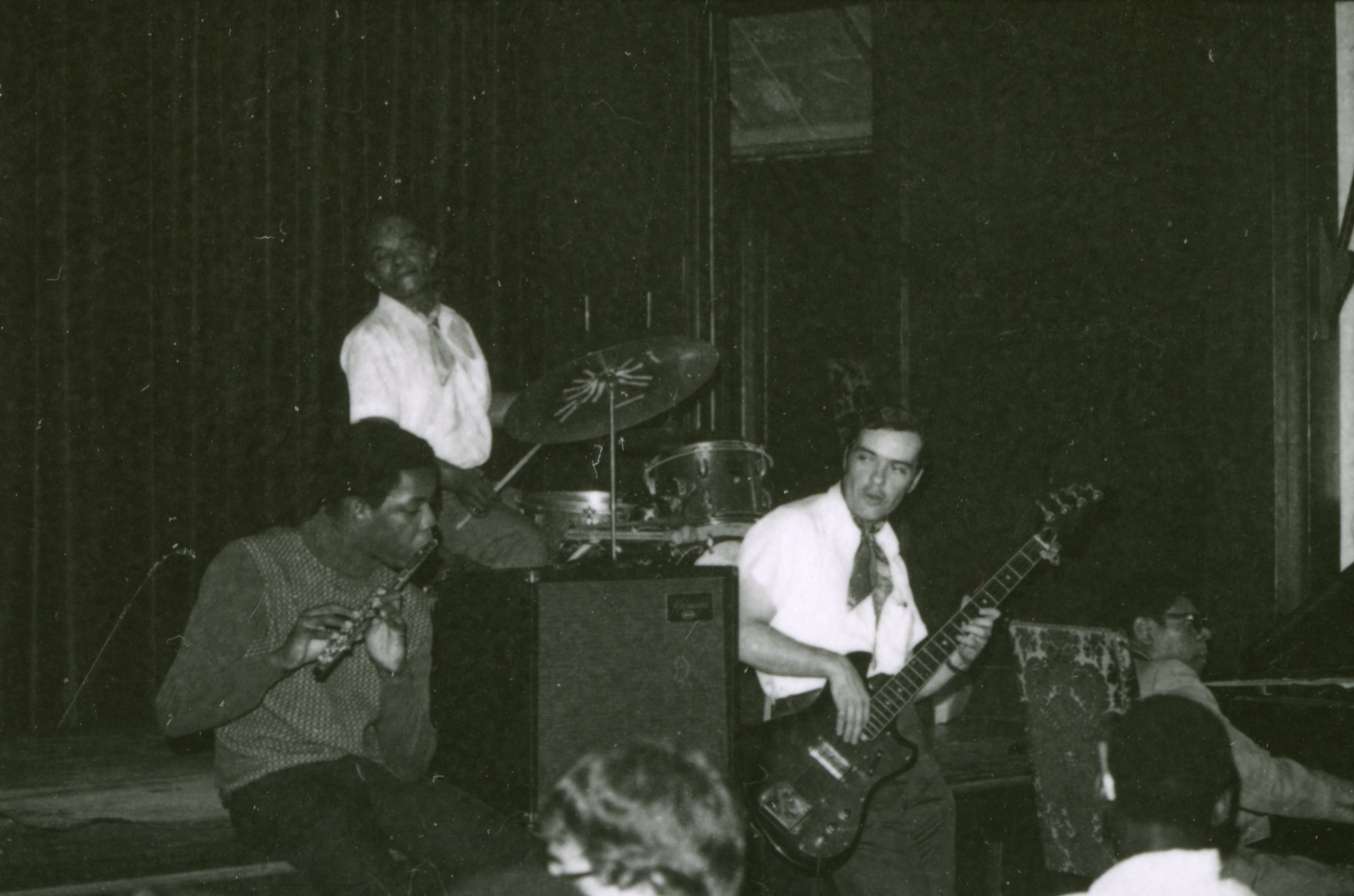
Images not yet identified or depicting unnamed activities have been fun and challenging. Cross-referencing photos with documents like class brochures, annual reports, and school rosters have helped with developing fuller descriptions. For instance, HUB’s annual reports detail various guests and artists that were invited to campus to inspire and entertain HUB students. But, they do not tell the full story. The following photographs feature an unnamed event and band that we hope to learn more about!
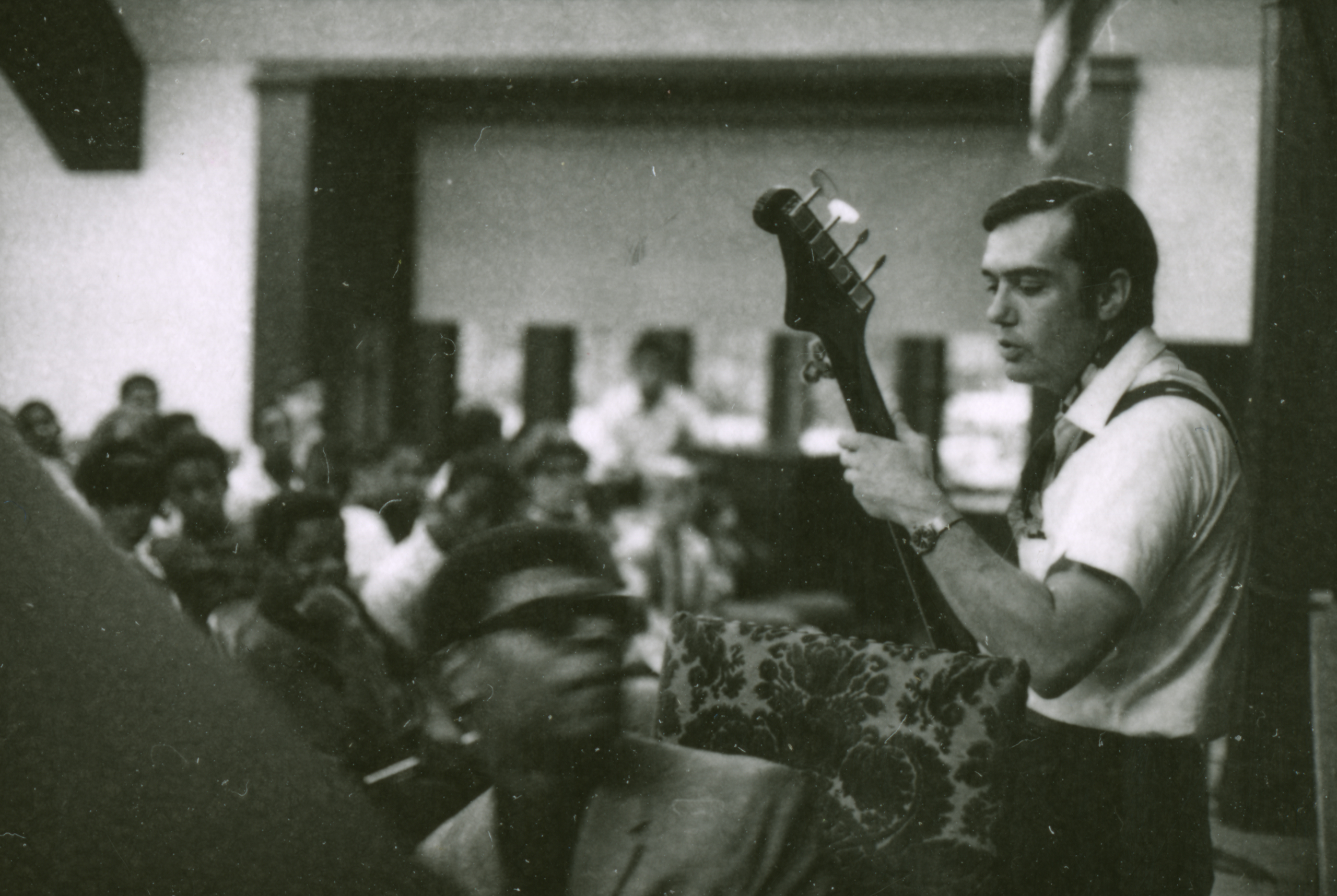
Guest band playing for HUB students in assembly hall, Summer 1969. Jack Kausch Photography. Courtesy of Cranbrook Archives.
Andre Boddie (HUB ’70) playing flute with band in assembly hall, Summer 1969. Jack Kausch Photography. Courtesy of Cranbrook Archives.

In addition to my research, HUB alumni have shared information in meetings, emails, and in-person visits, to help describe photographs.

For our studio sessions with Barry Roberts (HUB ’77), we prepared a workspace with enlarged photocopies of group images to annotate and class brochures and annual reports to cross-reference. It’s been a joy to witness how eyes light-up when alumni like Roberts remember people and places depicted in images. We are grateful for the stories they share because they essentially enrich the HUB collection with personal narrative.

Barry Roberts (HUB ’77) identifying HUB images at Thornlea Studio, February 19, 2025. Courtesy of Cranbrook Archives.

More From the 1960s

I have really enjoyed reviewing the program’s visual history. Since only a small number of images from the 1960s are featured in the exhibition, I thought I would share some others that really spoke to me.

It’s been exciting to finally see photographs for events and activities described in reports, like Theme Day, SoulFest, and other academic and extra-curricular subjects.
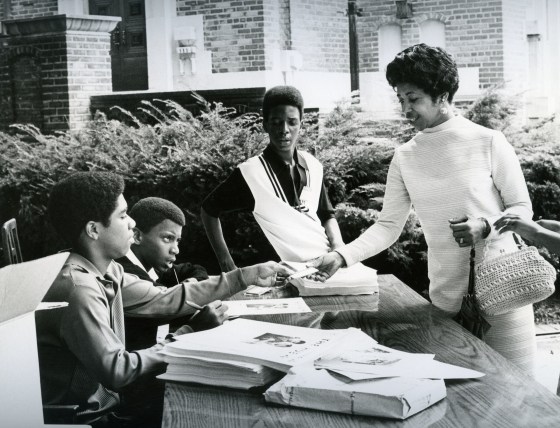
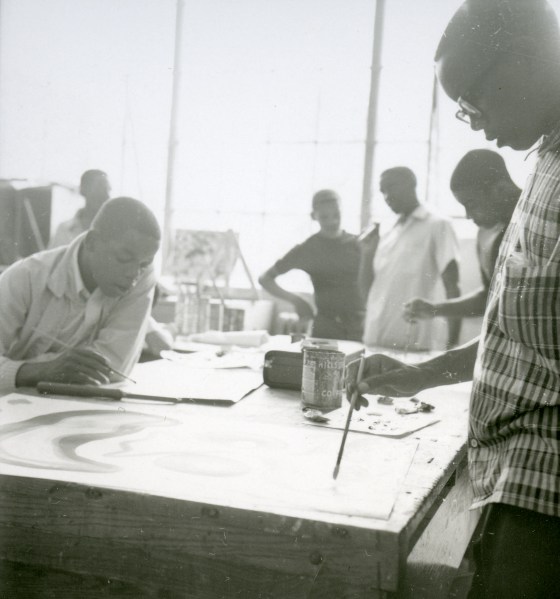
It’s also been interesting to see how HUB students engaged with various spaces across Cranbrook’s campus.

I especially enjoyed a small collection of images featuring art work and displays of writing, which were exhibited during Theme Day in 1969. William Washington, English teacher and Theme Day facilitator at the time, described the event’s focus as students and staff answering the question, “Where Is Love?” (HUB Annual Report, 1969). The following image features students’ responses to this prompt with creative writings entitled “What is this love that we now seek? Love is the language that every man speaks.”

Theme Day display featuring students from Sections 7 and 9 of Gregory S. Mims and Philip Young’s English course, August 17, 1969. Courtesy of Cranbrook Archives.

This fall, all of the images digitized in year two of the digitization project will be available online, but in the meantime check back each month to see those featured in the virtual exhibition!

Courtney Richardson, Project Archivist, Cranbrook Center for Collections and Research

HUB digitization is funded by a NHPRC Archival Projects Grant for projects that ensure online public discovery and use of historical records collections. The NHPRC was established by Congress in 1934 as a statutory body affiliated with the National Archives and Records Administration and chaired by the Archivist of the United States.

A HUB Flag for Soulfest

Did you know that Horizons-Upward Bound (HUB) had its own flag and that it was created by a HUB student? Continuing with the HUB Records digitization project, I came across evidence of this unique item and an interesting story behind it.

news clipping of two students holding up a large flag outdoors
Feature on the front page of The Hub, a newsletter published by students in the Summer Program Publications Class, July 26, 1974. Courtesy of Cranbrook Archives.

In 1974, Gregory Loving, HUB student and a senior from Cass Technical High School (17 years old), won a flag design contest for Cranbrook School’s event, Soulfest II. Building on the tradition of institutional flags at Cranbrook begun by Henry Scripps Booth, Gregory’s design incorporated three wide vertical stripes. The center stripe displayed multiple hands of varying skin tones holding an upward-pointing arrow, a motif that would repeat often in HUB graphics and is likely based on Cranbrook School’s logo.

news clipping featuring a student with afro sitting with two administrators
Detroit News clipping featuring Gregory Loving with Henry S. Booth, and Nancy Corkery, May 1974. Courtesy of Cranbrook Archives.

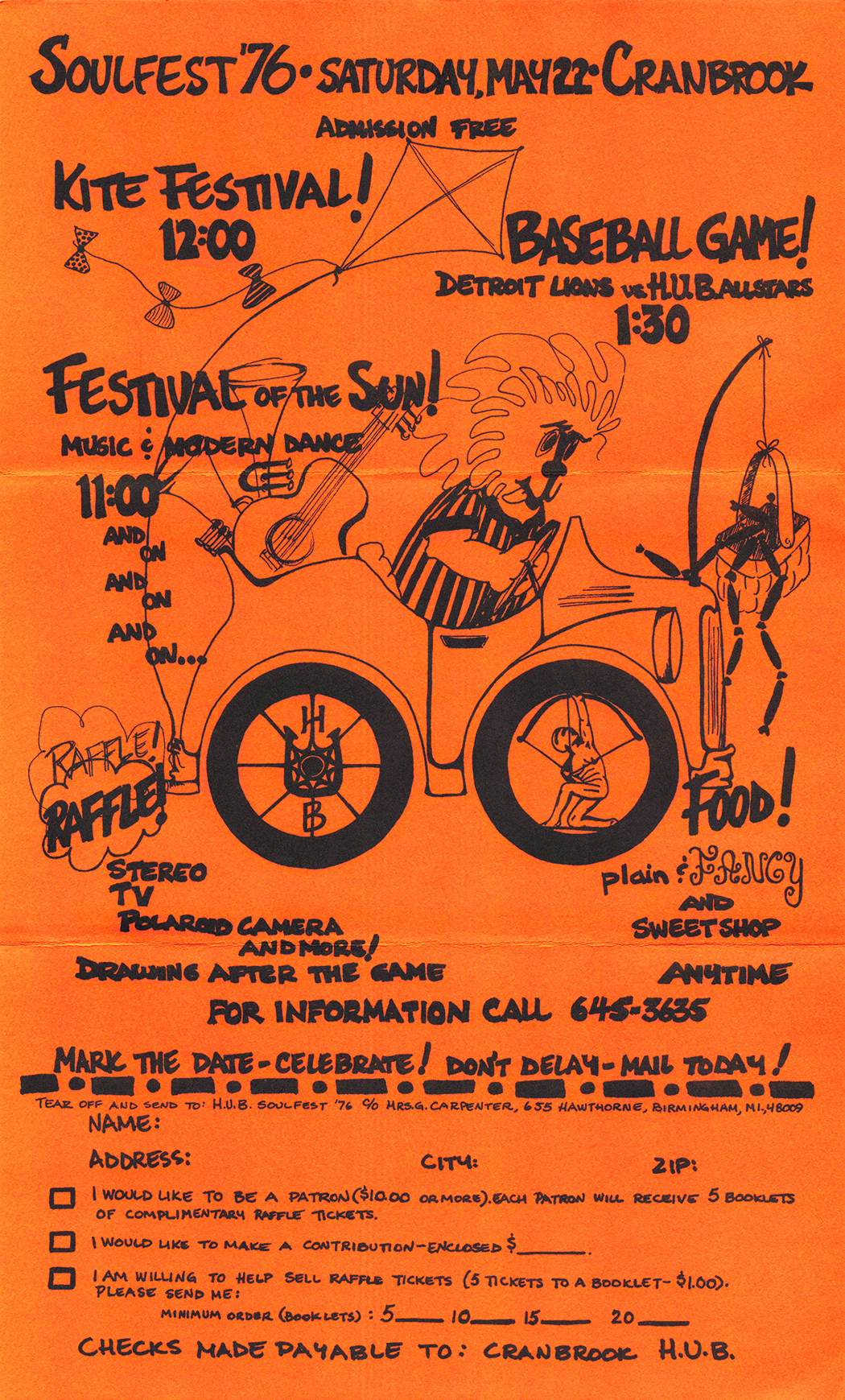
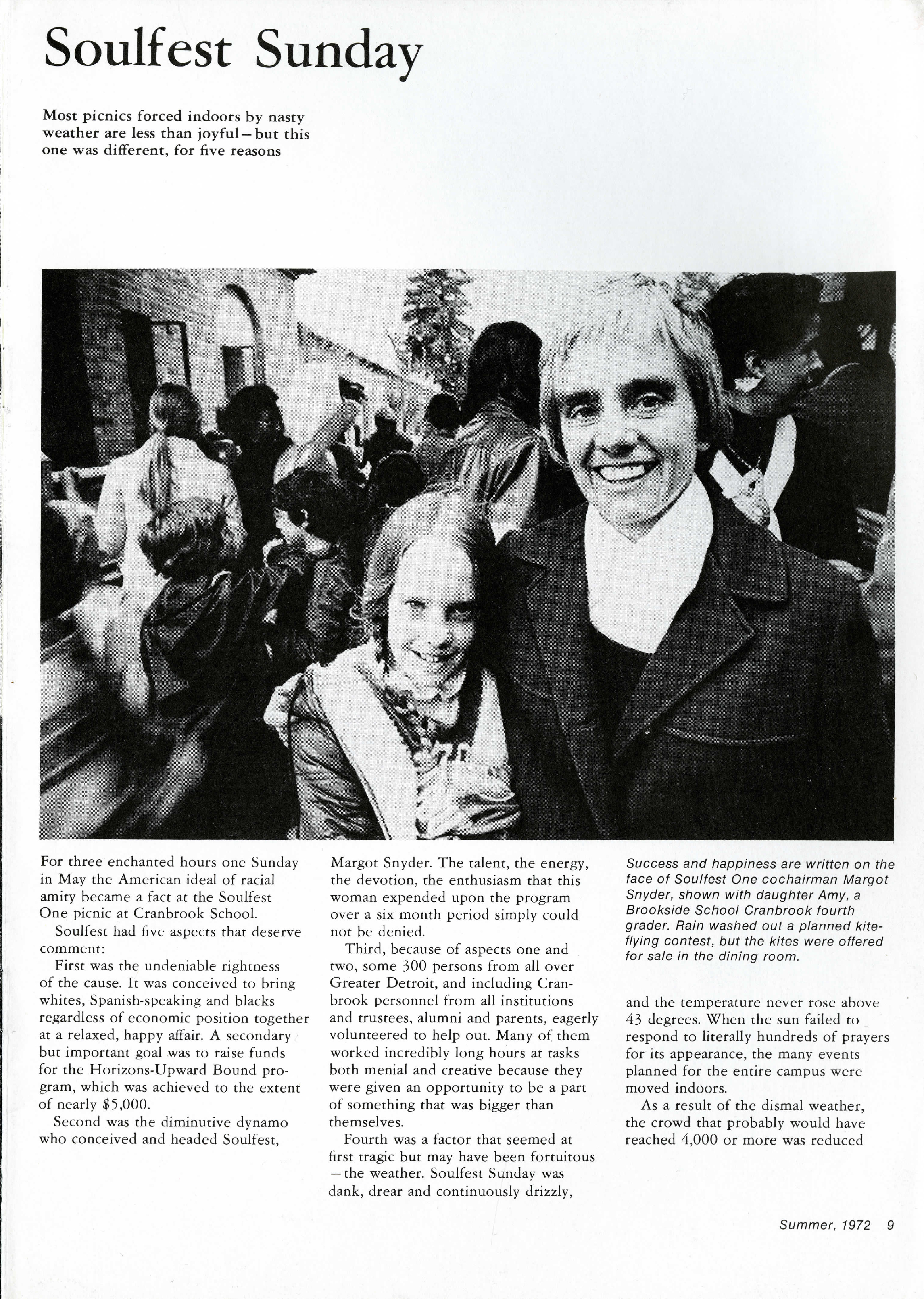
Soulfest was an biannual and major community fundraising event for the HUB program in the 1970s. It was inspired by HUB parent, Lula Barnes, who also provided the recipes, and created and organized by Margot Snyder. Margot, “whose sustaining and nurturing hands…helped shape Horizons-Upward Bound since its beginnings, ” was an integral and beloved member of the Cranbrook Schools and HUB community and wife of HUB founder Ben M. Snyder (HUB class brochure, 1994).

article page with large grayscale image of outdoor event with mother and daughter in foreground
Cranbrook Magazine, Vol. 3, No. 4, Summer 1972, featuring Soulfest’s inaugural event with Margot Snyder and daughter, Amy. Courtesy of Cranbrook Archives.
1976 flyer featuring repeats of popular features of the 1974 event, including participation of the Detroit Lions! Courtesy of Cranbrook Archives.

In a memo to Cranbrook School and HUB faculty in March 1974, Margot writes, ” We look upon this as a project stressing Cranbrook’s involvement with the community at large…we hope to raise some much need funds for HUB, we are trying to beat the high cost of living and labor.” Gregory’s winning flag design can be viewed as a visual interpretation of Margot and the Soulfest committee’s goal of increased community involvement. Both the event and flag embody collectivity and upward mobility through the work of multiple hands from varying backgrounds.

Courtney Richardson, Project Archivist, Cranbrook Center for Collections and Research

HUB digitization is funded by a NHPRC Archival Projects Grant for projects that ensure online public discovery and use of historical records collections. The NHPRC was established by Congress in 1934 as a statutory body affiliated with the National Archives and Records Administration and chaired by the Archivist of the United States.
Revealing Horizons-Upward Bound History

Cranbrook Archives is excited to announce the launch of a historical digitization project, made possible by a generous two-year grant from the National Historical Publications & Records Commissions (NHPRC). The Archival Projects grant “supports projects that promote access to America’s historical records to encourage understanding of our democracy, history, and culture.” One of 21 awardees in 2023, alongside the Amistad Research Center, NYU, and others, we have begun full digitization of Cranbrook Schools’ Horizons-Upward Bound Program (HUB) records in an effort to facilitate discovery and use of material that documents one of the nation’s oldest and largest college access programs. The new online collection promises to elevate the visibility of HUB’s important story, and by extension, experiences of under-represented youth, primarily African American, in the U.S. educational system.

Cover of Horizons-Upward Bound’s first annual report, 1965. Courtesy of Cranbrook Archives.

HUB historical materials include approximately 18 boxes (20.4 linear feet) of material relaying HUB’s history from its founding in 1965 through the year 2000. Material includes paper, news, photo, and film media primarily generated by HUB administration and HUB students. During the first year of the grant we are focused on digitizing all paper material. The second year will be devoted to digitizing photography and film, including images taken by local photographer Jack Kausch.

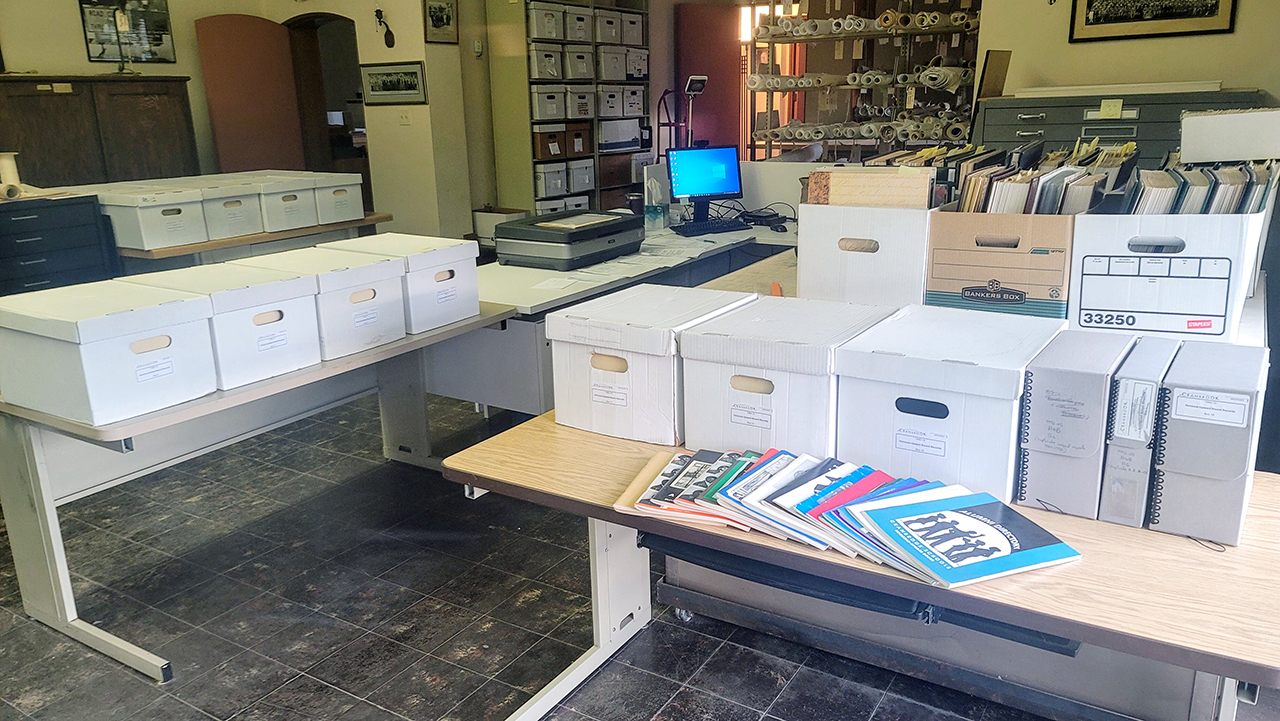
Photo of Archives workspace inside Thornlea Studio. Desks covered with archival boxes and material.
Digitization workstation where paper records are currently being scanned.

What we’ve done so far…

Digitization began in-house at the Archives in Summer 2023, with two HUB student volunteers who scanned a selection of newsletters and annual reports and drafted initial keyword/descriptions of the material. Later that Fall, I was hired to dedicate full-time attention to the project for the duration of the grant period. I continued the students’ work by first conducting quality control of the scanned material and digitizing the remaining publications in the collection. So far, I have digitized and quality checked over 7,500 pages of paper material. Currently, I am writing descriptions and creating keywords for these items and transferring the digital files to our online collections website, where they will be made public at the end of the project.

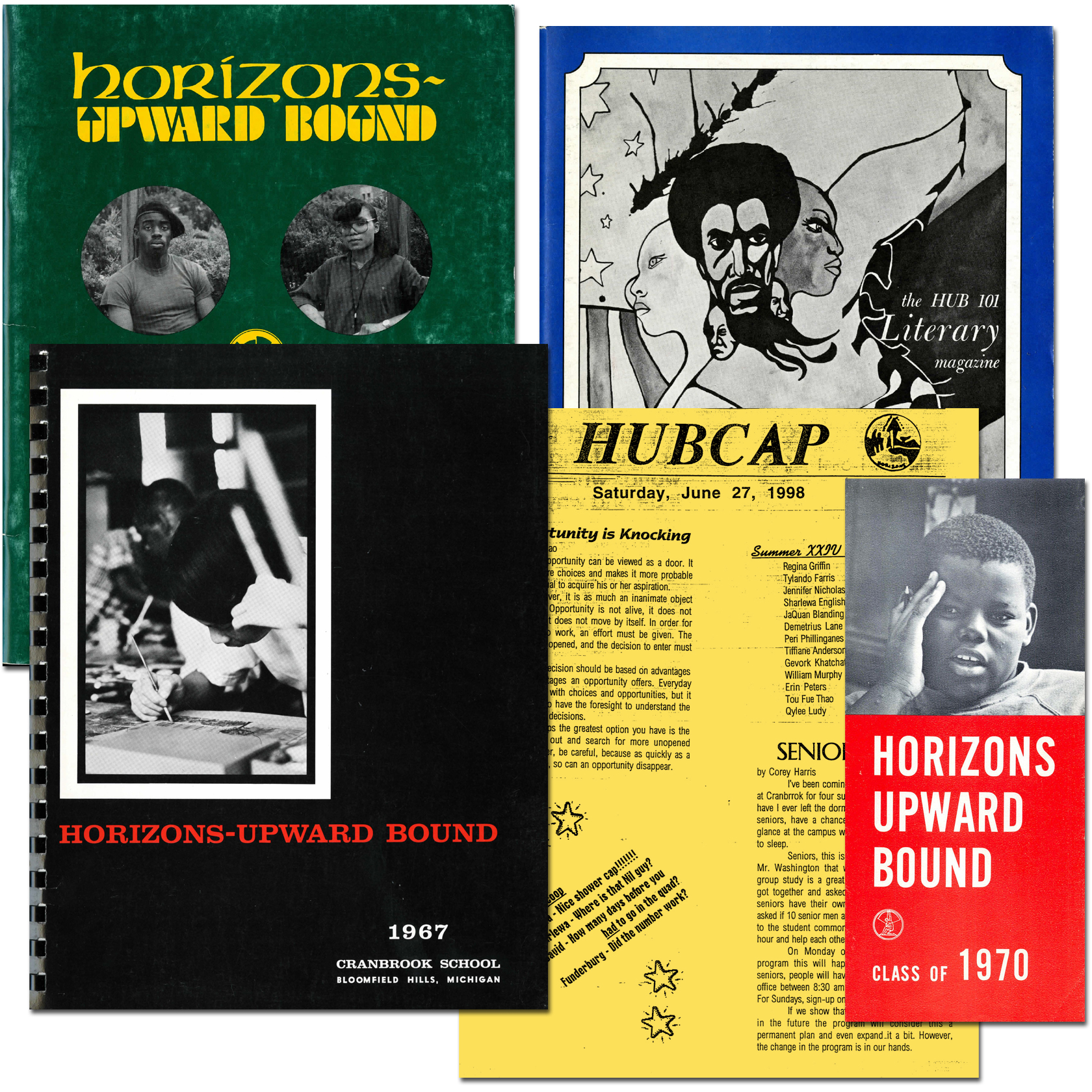
Collage of HUB paper publication covers. Primarily green, black, yellow, and red.
Selection of Horizons-Upward Bound publications spanning from the 1960s to 1990s, including annual reports, literary magazines, brochures, and newsletters. Courtesy of Cranbrook Archives.

More to come!

In honor of HUB’s founder and first director, Ben Snyder (1965-1989), we hope for this digitization project to help realize the desire he expressed for HUB’s records in his 1977-1978 Annual Report:

Annual Report cover, featuring HUB’s first cohort to include young women, 1977-1978. Courtesy of Cranbrook Archives.

“One hopes that these annual entries will, at some point in the future, be useful to the educational historian or, in a narrower sense, to someone reviewing the Cranbrook scene as it relates to community involvement. Should that time come in say the next century, the task would be far happier if the nation had in the meantime eliminated the need for compensatory education.”

–Ben Snyder (pg. 34)

Initially self-described as “An Experimental Enrichment Program,” in conjunction with representatives from Detroit Public Schools and Oakland County Schools, HUB was the only program of its kind at its inception. The artifacts and stories found within its historical collection have great potential to inform and inspire continued community-building and educational programming that span across metro Detroit and the nation. We hope you will share in our excitement about this project and we look forward to sharing more updates about the Horizons-Upward Bound collection!

– Courtney Richardson, Project Archivist, Cranbrook Center for Collections and Research

Editor’s Note: The NHPRC was established by Congress in 1934 as a statutory body affiliated with the National Archives and Records Administration. Chaired by the Archivist of the United States, it is composed of representatives of the three branches of the Federal Government and professional associations of archivists, historians, documentary editors, and records administrators.

A Summer Education at Brookside

Summer school. Those two words usually make most children cringe—who wants to spend their summer vacation studying and attending classes? Sheer morbid curiosity made me explore further a few folders in Brookside School Records, a collection just opened for research last month. What I found was not the usual story.

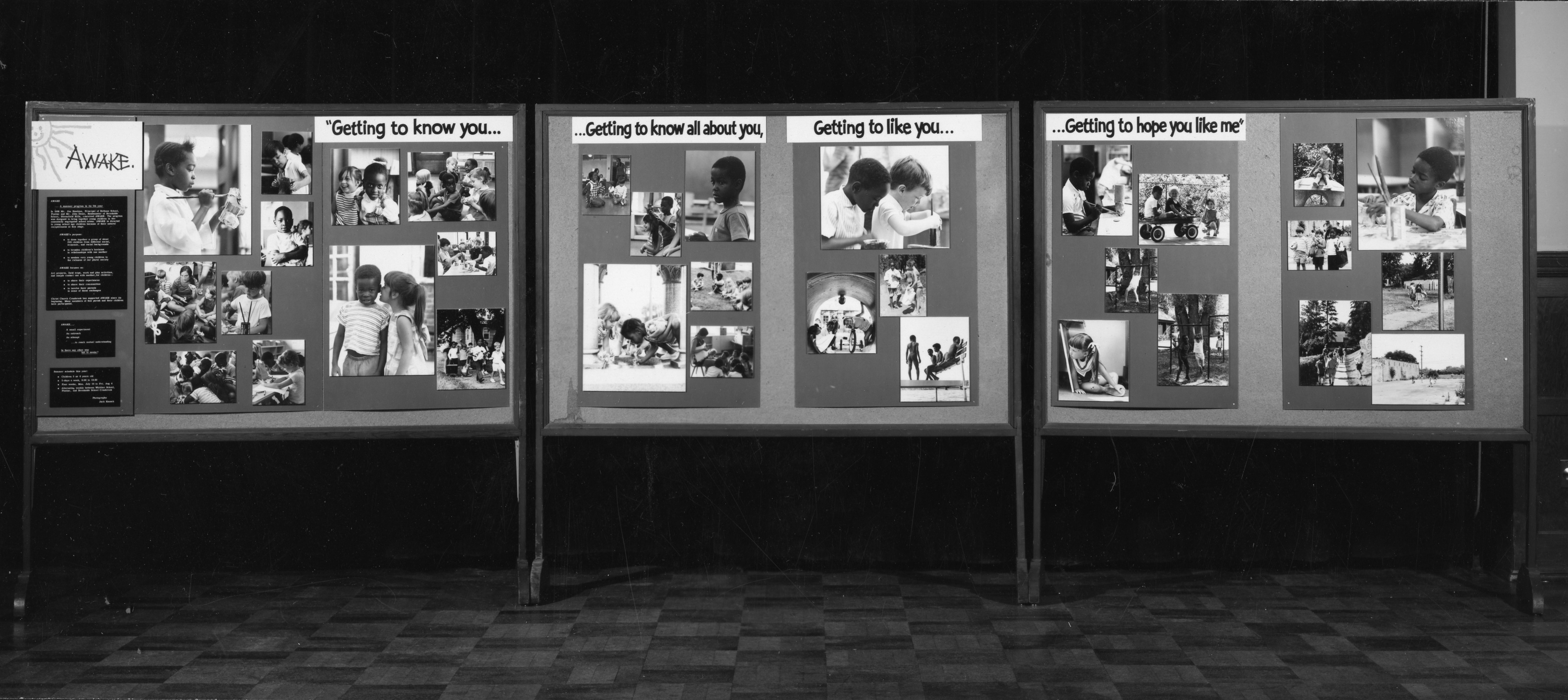
The Brookside summer school program, AWAKE, had a different purpose than remedial education for elementary students. Developed in 1968 by Pontiac Elementary Principal Jim Hawkins and Brookside Headmaster John P. Denio, it was designed to promote harmony and understanding amongst young children who might not otherwise share life experiences due to racial, social, and economic segregation.

AWAKE followed on the heels of the “long hot summer” of 1967, which saw civil unrest in Detroit and cities across Michigan, including Pontiac, due to long-standing racial inequalities for Black Americans. Instituted in 1968, AWAKE’s purpose was to “bring together young children in essentially two segregated school areas,” in some ways foreshadowing the desegregation of Pontiac and Detroit schools in the early 1970s.

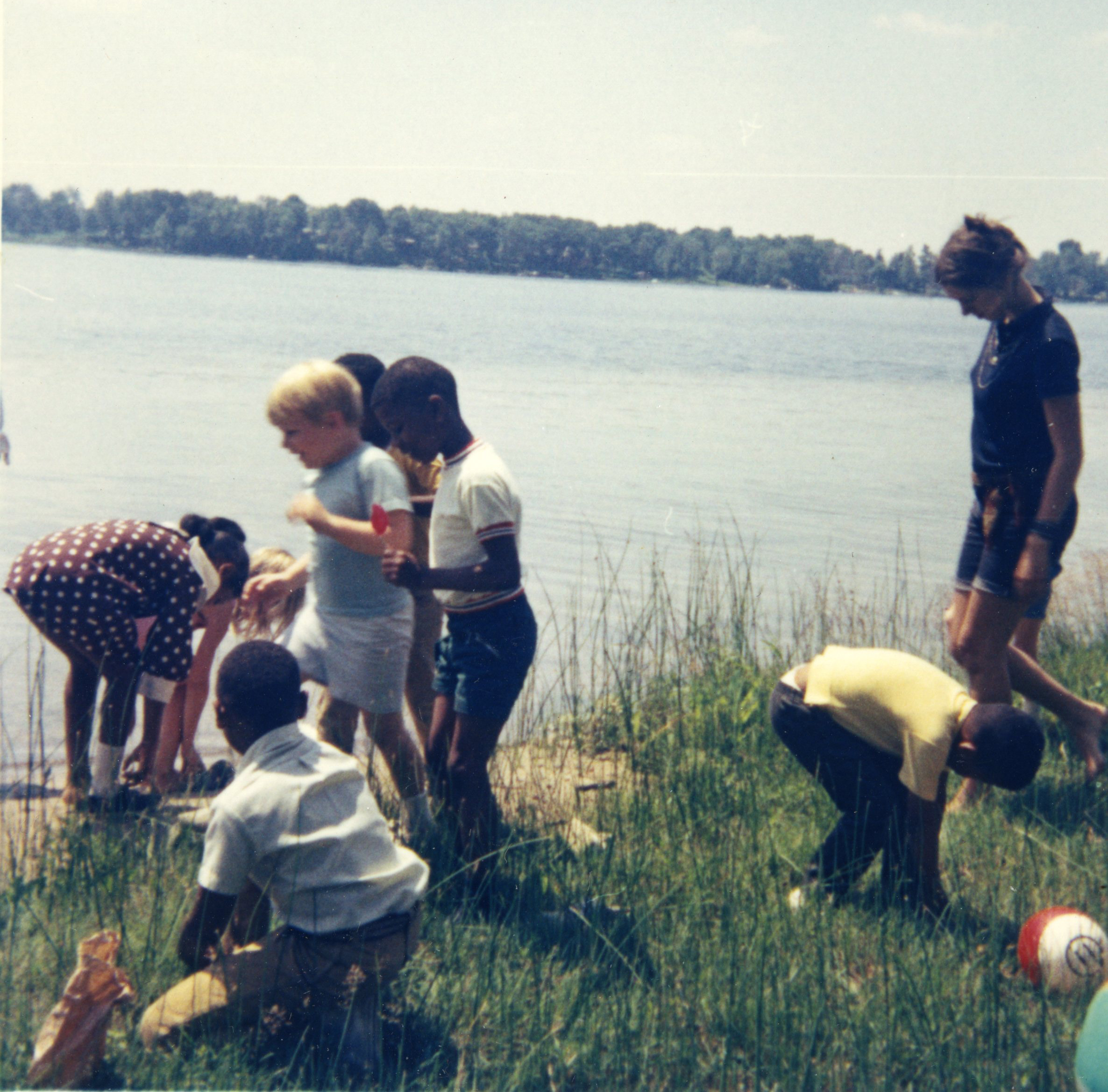
Roughly fifty children split their time equally between the Bloomfield Hills and Pontiac schools for five mornings a week, over a four-week period in July and August. Co-sponsored by Cranbrook’s Brookside School and Pontiac Public Schools’ Bethune and Whittier Elementary Schools, the program included art projects, field trips, swimming, reading, and other enrichment activities for kindergarten-age children in both communities. Directed at young children because of their natural receptiveness at that age, Denio believed that,

With AWAKE, children four through six, through work and play activities and through simple, open contact with each other may perhaps develop the knowledge and understanding necessary to reinforce their acceptance of each other as human beings.

Governed by a Board comprised of community members and Pontiac Public School administrators and teachers, the program was self-sustained through tuition fees (waived in cases of need), financial contributions, and community support. Christ Church Cranbrook, for example, played a significant role through both donations and parishioners’ participation in the program. Familiar Cranbrook names, such as Cranbrook School teacher and Horizons-Upward Bound founder, Ben Snyder, and his wife Margot were also regular advocates of the program.

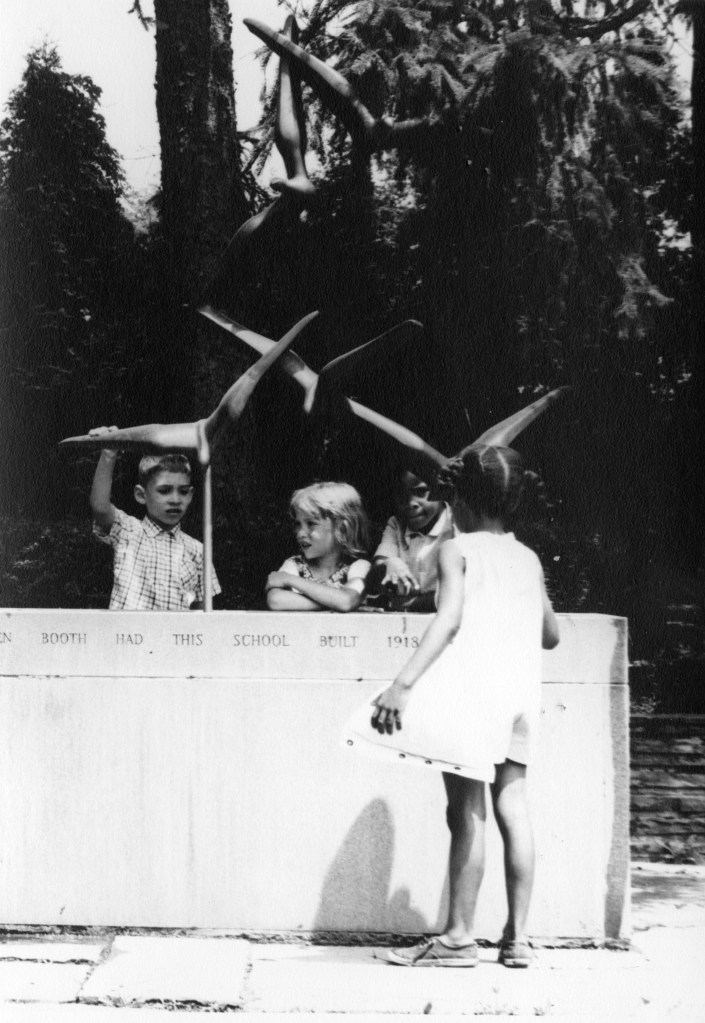
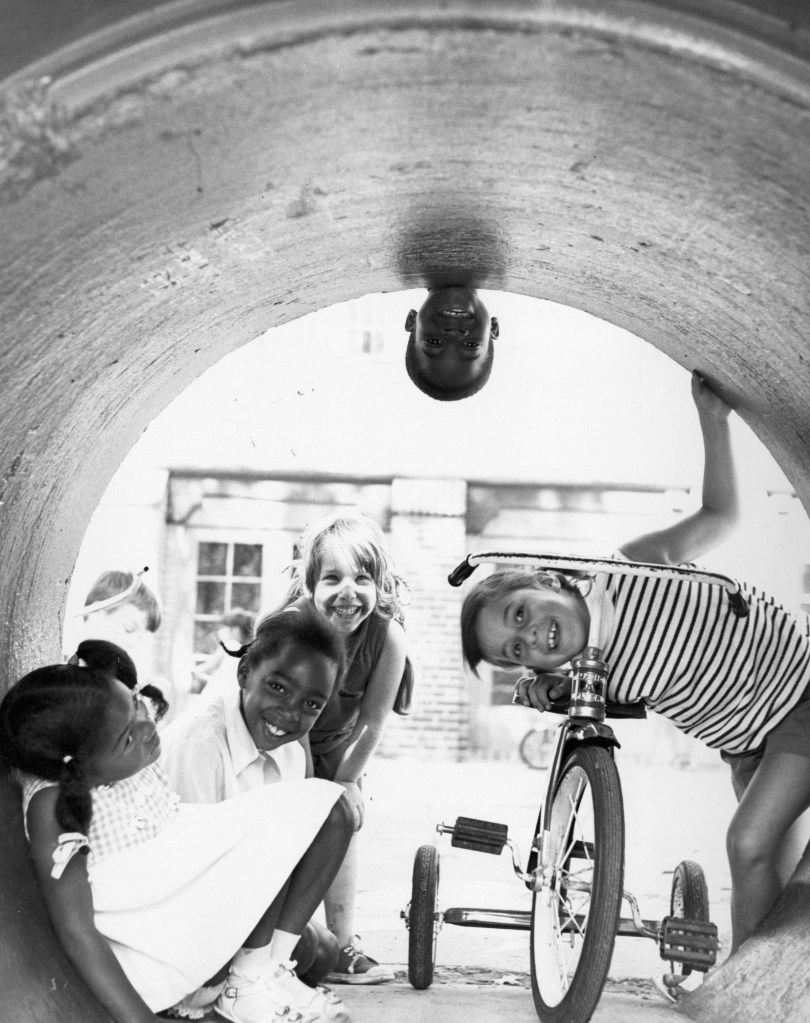
Borrowing lyrics from Rogers and Hammerstein and with photographs by Jack Kausch, poster displays sum up AWAKE’s ethos: “Getting to know you … Getting to know all about you … Getting to like you … Getting to hope you like me.” Courtesy of Cranbrook Archives.

A grass roots experiment in creative problem-solving of the urban crisis faced by cities across the country, AWAKE only lasted for five years (1968-1972). Because of its short duration, the effectiveness of the program was never fully appreciated, despite a 1969 study conducted by a University of Michigan Ph.D. student in education and social sciences and regular solicitation of teacher and parent feedback. Ultimately, rising costs and a lack of grant money; shortages of staff; and dwindling enrollment, undoubtedly due in part to the integration of Pontiac schools and the unsettling atmosphere of anti-busing protests, prohibited the continuation of the program.  

Deborah Rice, Head Archivist, Cranbrook Center for Collections and Research

The Power of Knowledge

In commemoration of this significant day, Juneteenth, I thought we’d look back at one of many compelling stories in Cranbrook’s history. In the summer of 1970, Horizons-Upward Bound (HUB) offered four new electives that reflected the experimental nature of a project in its sixth year of operation. These electives allowed for innovation and creative thought around topics of particular relevancy to HUB students, investigating issues that still resonate fifty years later.

1969 HUB student photo used on the inside cover of the 1970-1971 annual report. Courtesy of Cranbrook Archives.

Black Creative Writing, taught by Highland Park Community College English instructor Stephen D. Chennault, involved readings, examinations of concepts, and self-directed writing. Students surveyed a Langston Hughes edited short story collection and works by the Black Arts Movement poet, Don L. Lee (later known as Haki Madhubuti). They also explored Black awareness, the role of the Black professional writer, and created skits centered on Black life, in what Chennault describes as a “careful observation of their niche in today’s America.”

The Black Contributions course was co-taught by Wayne State University interns, Ervin Brinker and Fred Massey, and grew out of the Black History course of the two previous summers. Refocused with a more contemporary slant, students studied organizations such as the Black Panther Party, the Student Non-Violent Coordination Committee, and the Southern Christian Leadership Conference. Reporting on the course, Brinker and Massey observed that “both instructors and students were sensitized to the realization that solutions to racial problems are imbedded in institutional living patterns of long standing, protected by mazes of barrier that must be recognized and understood if they are to be nullified.”

George W. Crockett Jr., 1968. Courtesy of Walter P. Reuther Library.

Law was team taught by Detroit attorney Michael Brady and University of Wisconsin law student Norman Prance. Half of class time focused on criminal law, which included examination of Yale Sociology Professor Albert J. Reiss’ 1967 study of police brutality and discussion of the Wayne County Juvenile Court. The subject culminated in a field trip to the Detroit Recorders Courtroom of Judge George Crockett Jr., a civil rights advocate known for confronting the practice of race-based sentencing.

Ben Snyder and Horizons scholarship students, 1968. Courtesy of Cranbrook Archives.

In the course, Power, developed by HUB founder and director Ben M. Snyder, students explored the idea of power through a combination of contemporary theory and current realities. Stemming from two works: Adolf Berle’s 1969 Power and Nathan Wright’s 1968 Black Power and Urban Unrest, the course addressed complicated regional situations, such as the redistricting of Detroit schools. When replying to a question regarding the value of the course to his future, one student remarked, “As long as I am more aware of the American way of working power, it should make me more alert.”

Cover illustration by David McMurray for The HUB 101 Literary Magazine, 4 (Summer 1970). Courtesy of Cranbrook Archives.

A tradition since 1967, the Literary Magazine, a sampling of writing and art produced by HUB students, is perhaps the most important summation of the student experience. Against the backdrop of the civil rights movement, national Vietnam War protests, and the beginnings of an economic downturn that would hit the Detroit metro area hard, the Summer 1970 issue reflects powerful emotions. It’s clear to see that these four thought-provoking electives left a profound effect on students’ views of American society and their role in it. With titles like Discrimination, Revolution, Black Power, Choice of Colors, The Man, The Militant, and Pride, the poignancy of their voices is striking and remarkably germane to events, both then and today.

Deborah Rice, Head Archivist, Cranbrook Archives Cranbrook Center for Collections and Research

Create a website or blog at WordPress.com