Photo Friday: Posters Tell a Story

The Cranbrook Archives exhibition, Designs of the Times: 100 Years of Posters at Cranbrook, opens this weekend. The exhibition documents events and performances that have enhanced and enriched the Cranbrook community for more than a century. The image below is just one of many that will be on display through March 20th, 2016.

yeoman

Performing Arts poster, 1955

This poster, signed “M.W.” was  designed by Michael Justin Wentworth (Cranbrook School ’56). In addition to designing posters, Wentworth was the art editor for both the Brook and the Crane, and designed the sets for the Ergasterion productions and the scenery for the bi-annual Operettas. He received his MA and MFA from University of Michigan, and his PhD from Harvard where he wrote his dissertation on the artist James Tissot, a lifelong interest.

The posters in the exhibition represent all areas of campus – we hope you come check it out!

Gina Tecos, Archivist

Lions and Tigers and Mastodons, oh MI!

Don’t worry (or sorry!) if you thought this post was going to be about sports teams in the Detroit area. Today’s post is purely about scientific discovery and serendipity right here in Southeast Michigan! Last month local news services reported that the remains of a wooly mammoth had been discovered in Lima Township (Washtenaw County). This prompted me to do some research about these super-cool prehistoric elephant ancestors. According to the University of Michigan Museum of Paleontology, mammoths and mastodons disappeared from this area about 11,700 years ago. Since that time, the remains of about 300 mastodons and 30 mammoths have been found in Michigan.

In 1934, a WPA project was underway when workers discovered bones while using a steam shovel in Bloomfield Hills. The remains, believed to be dinosaur bones by the workers, were brought to Cranbrook Institute of Science for identification. The bones were determined to be those of a mastodon – now known as “The Bloomfield Hills Mastodon.”

Excavation site of the Bloomfield Hills Mastodon, 1934. Cranbrook Archives.

Excavation site of the Bloomfield Hills mastodon, 1934. Cranbrook Archives.

Only the skull with a few vertebrae and ribs were recovered during the excavation of a small pond, which was deepened to form an artificial lake. The bones were uncovered in a residential district about a quarter of a mile east of Woodward Avenue near Charing Cross Road.

Jaw bone from Bloomfield Hills mastodon, 1934. Cranbrook Archives.

Jaw bone from Bloomfield Hills mastodon, 1934. Cranbrook Archives.

In 1972 a large bone was discovered by a Cranbrook grounds crewman during the process of cleaning up a dump. Warren Wittry, anthropologist and then-CIS director, identified the bone as the central portion of the right scapula of an adult Ice Age mastodon. A”dig” crew was gathered to search for additional bones, but alas only a few additional fragments were found.

Late in 1977, the Institute received an early Christmas present when a partial skull and section of tusk from a young mastodon were discovered by two high school students near Seymour Lake Road in Brandon Township in northern Oakland County. The Institute was very excited about the donation of the bones, which were in an excellent state of preservation. There have been several more mastodon discoveries in Michigan since the 1970s. Personally, I find these stories more interesting to follow than the local sports scene.

Gina Tecos, Archivist

Photo Friday: Autumn Traditions

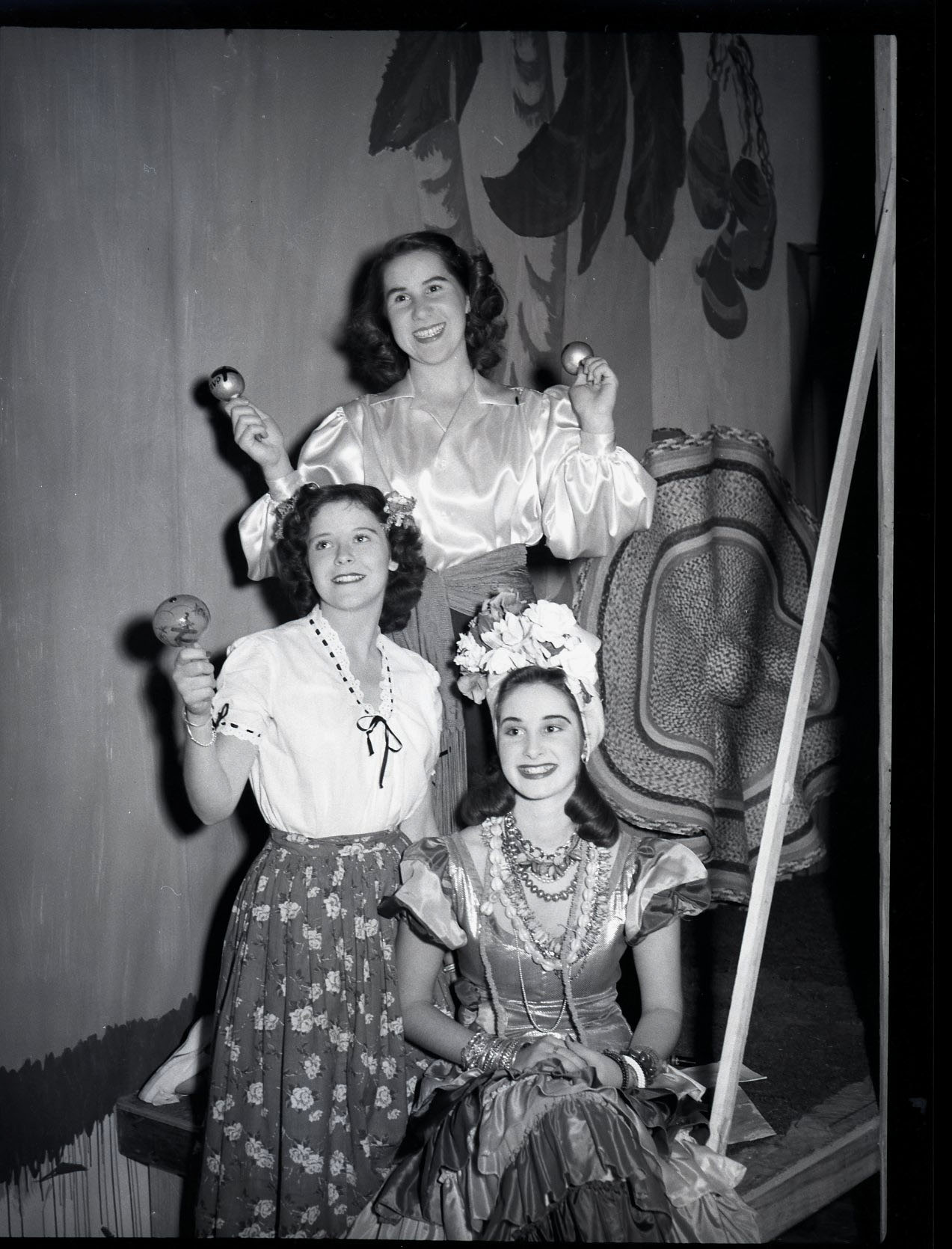
With foliage nearing its peak color, there are many reminders of fall here on campus. The image below is yet another tribute to the season—the Kingswood School Autumn Festival. The first Athletic Association Carnival was held in December, 1932, and was the precursor to the Autumn Festival. By 1934 the annual event had been renamed by Headmistress Margaret Augur.

Themes varied, for example, the 1936 festival was fashioned after “modern” America and included an Apache dance and a skyscraper dance by the juniors with the sidewalks of New York as the background set. The 1939 theme was the Old South and ended with a rousing version of “Dixie” as the grand finale. The November 1939 Clarion reports, “Cranbrook as usual was well represented. After their hectic day of soccer, football, tea-dance, etc., we managed to wear them out, so that it was finally decided that bed at eleven was necessary for all. Thus ended the autumn festival.”

Autumn Festival, Oct 1944.

Autumn Festival, Oct 1944.

The 1944 theme (as shown above) simulated South America. Entertainment included costumed students singing “Down Argentina Way” and “Besame Mucho.” In addition to rumba and samba dancing, the night ended with a lively conga to “Cui Cui .” Wouldn’t it be fun if we could revive this tradition?

Gina Tecos, Archivist

Friday in the Reading Room

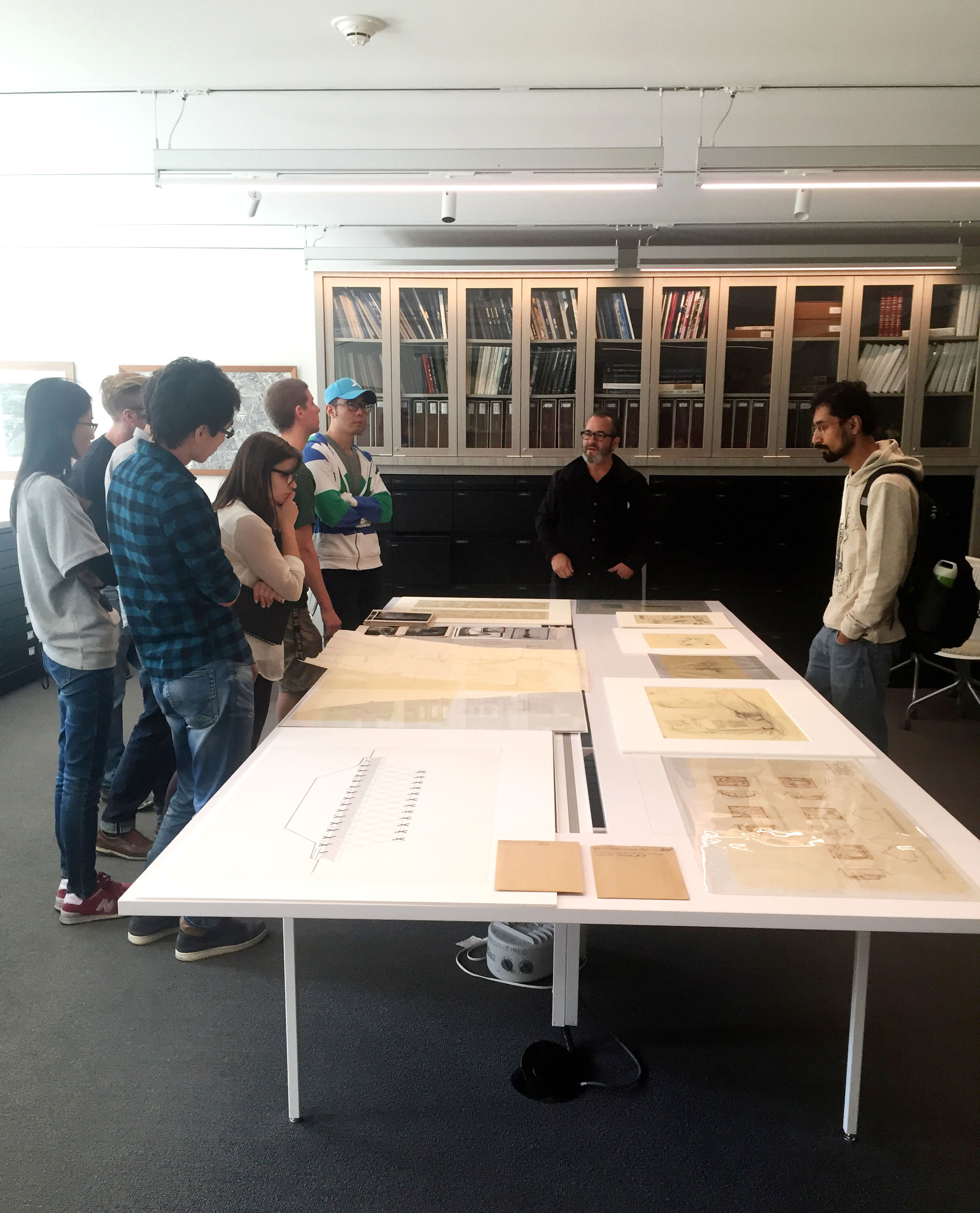
As part of outreach and education here in the Archives, today we hosted graduate students who are taking a course called, “Modern Michigan” at the A. Alfred Taubman College of Architecture and Urban Planning at the University of Michigan. The course covers the work of various architects between 1900-1960 and throughout the semester the class visits landmark sites in the area, including the GM Tech Center, the Packard Plant, Herman Miller, and Cranbrook (among others). We pulled a variety of architectural drawings and sketches from our collection for the students to view and ask questions. As a relatively new member of the Archives staff, I find these visits very rewarding. The students and instructors bring new perspectives and additional information that adds a new dimension to my knowledge of our collections.

University of Michigan graduate students from the School of Architecture and Urban Planning look at drawings in the reading room.

University of Michigan graduate students from the School of Architecture and Urban Planning look at drawings in the reading room.

Gina Tecos, Archivist

Bouquets of Sharpened Pencils

It’s that magical time of year again, daylight is a little bit shorter and parents begin to try and return their kids to a bedtime schedule –it’s back to school time. For some, this is a glorious time of year – a new beginning, the changing leaves as Fall ushers in. September always reminds me of a line from the movie, “You’ve Got Mail.” Joe Fox says to Kathleen Kelly in a chat room, “Don’t you love New York in the Fall? It makes me want to buy school supplies. I would send you a bouquet of newly-sharpened pencils if I knew your name and address.”

Here at The Archives we often receive email and calls from alumni. I recently received an inquiry from a Kingswood alum who shared some amazing stories with me and also piqued my interest in student organizations here at Cranbrook.

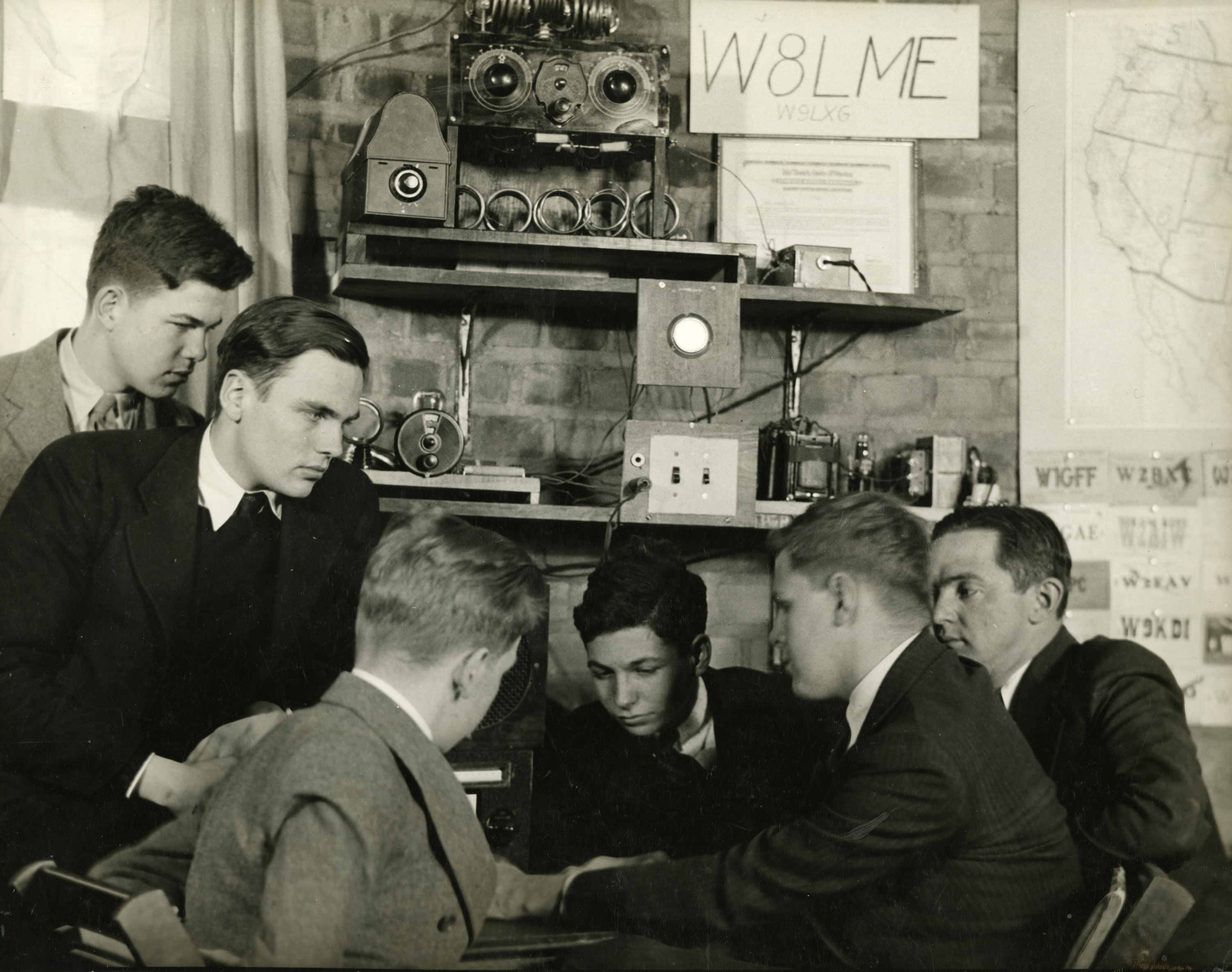
From the first days at Cranbrook and Kingswood schools, clubs and organizations were an integral part of student life. In addition to student newspapers, literary publications, and government—students participated in riding clubs, glee club, bridge club, and the stamp club. In 1938, the Areopagus club saw its membership swell. According to The Brook, students could be found “arguing over some minor question that momentarily assumed importance.”

Cranbrook School Radio Club, 1935. Photographer, Richard G. Askew.

Cranbrook School Radio Club, 1935. Photographer, Richard G. Askew.

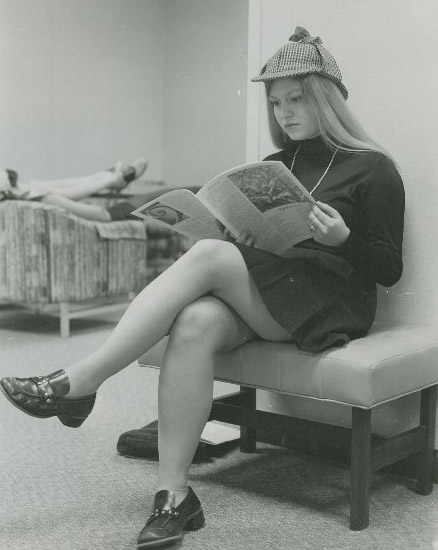
Several of the earliest clubs and organizations still exist at Cranbrook schools today, including the Radio Club and Ergasterion—an organization representing theatre productions. Other clubs continue to unite alumni, such as “The Trifling Monographs of Birmingham, Michigan,” which had its first meeting in September 1971. The five founding members were Susan Rice (a 5th grade teacher at Brookside School); Lucy Chase Williams, then a Kingswood junior; John Gerard, then a Cranbrook junior; and Michael A. Cooper and Dion Kerr, Cranbrook sophomores.

The club was a scion of the Baker Street Irregulars (BSI)—an organization of Sherlock Holmes enthusiasts founded in New York in 1932. The BSI is considered the preeminent Sherlockian group in the U.S. and has published the Baker Street Journal since 1946. A local member of the BSI was a mentor to The Trifling Monographs (TTM) and regularly quizzed the members. The group took several field trips and in 1972 traveled to Canada to see the Windsor Light Opera production of the musical, “Baker Street.” In 1973, when Williams matriculated to Yale, the TTM became a corresponding scion, and remains so to this day.
KS student Lucy Chase Williams, head of the TTM, reads an issue of the Clarion in the Kingswood School Common Room, 1973. Photograph courtesy of Lucy Chase Williams.

KS student Lucy Chase Williams, head of the TTM, reads an issue of The Clarion in the Kingswood School Common Room, 1973. Photograph courtesy of Lucy Chase Williams.

As students head back to school after the Labor Day weekend, they will have much to look forward to above and beyond their studies. Today the upper school boasts nearly 40 clubs and organizations, including Anime, Beekeeping, Wilderness Expedition, Chamber Music, and Random Acts of Kindness.

Gina Tecos, Archivist

Football Friday

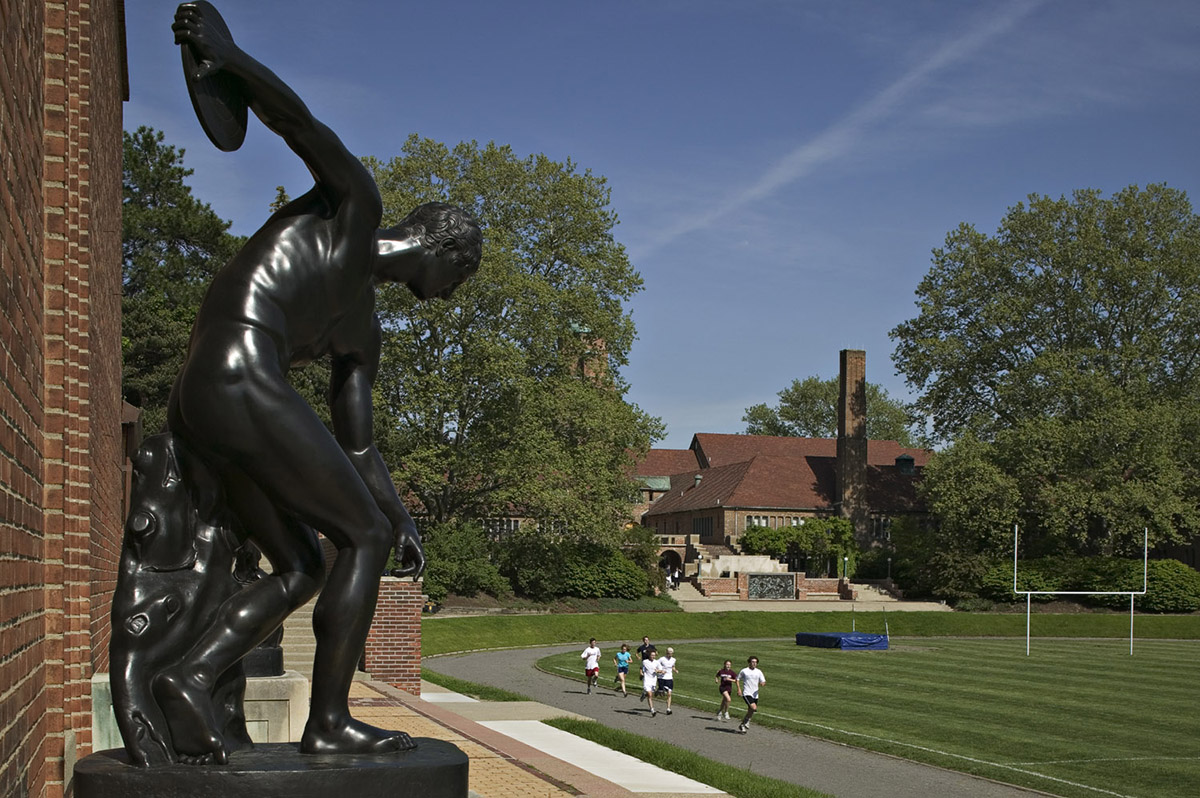
The campus is getting ready to welcome students back to school in a couple of weeks. However, many athletic teams, including the Crane football team, have already started practicing and even had a pre-season scrimmage yesterday at the Thompson Oval. Many people might not know that the Detroit Lions held their Training Camp on the Cranbrook campus from 1934-1941 and from 1957-1974.

Newspaper article from 7 Aug 1960.

Article from the Detroit News, 7 Aug 1960.

Note for Sports Fans: the Cranes’ first league game is against Cabrini High School on September 3rd.  The Lions play their first regular season game on September 13th.

A view of the Cranbrook School Athletic field. Photographer Taro Yamasaki, Cranbrook Archives.

A view of the Cranbrook School Athletic field. Photographer Taro Yamasaki, Cranbrook Archives.

Gina Tecos, Archivist

Photo Friday: Academy of Art Graduation Day

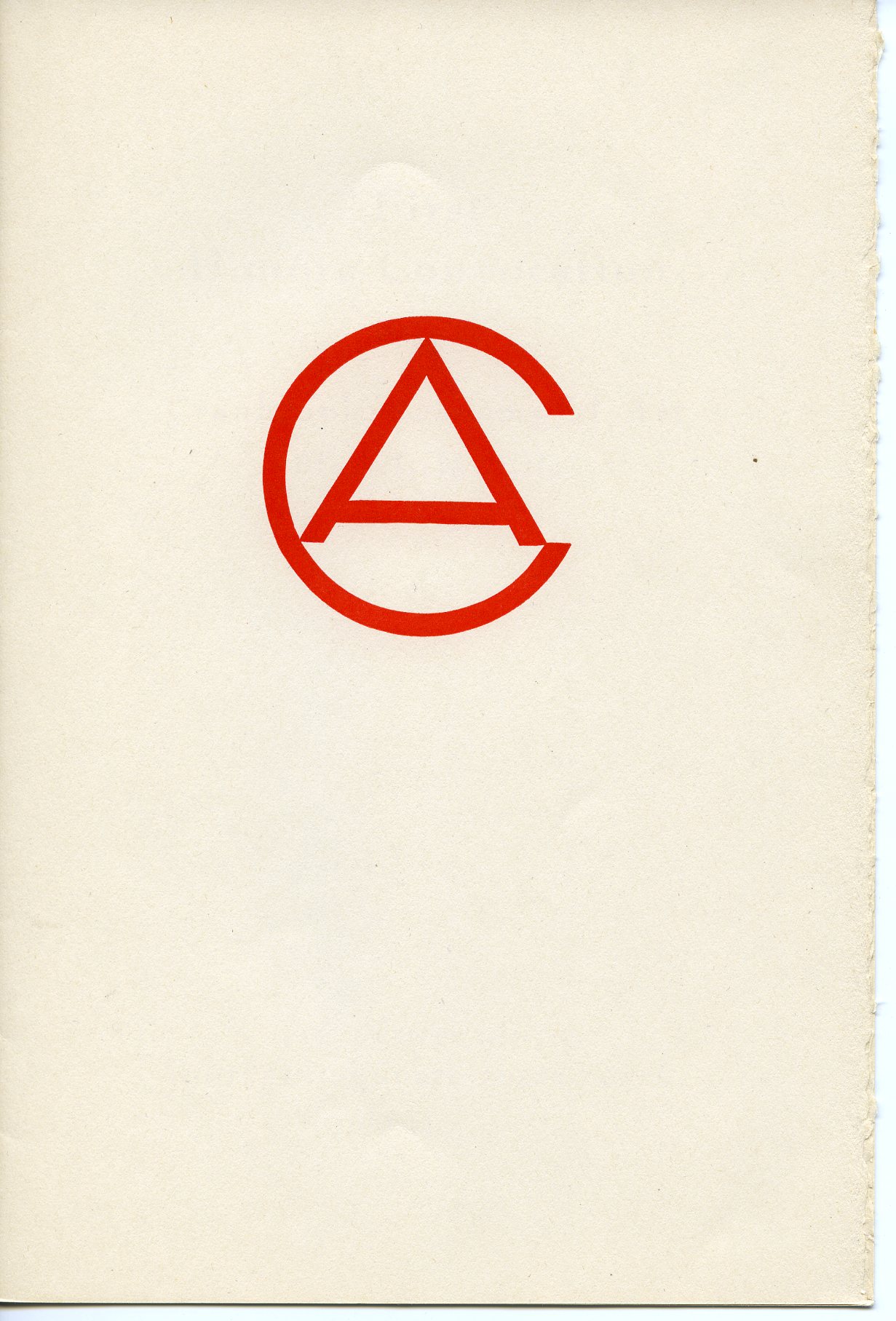
Congratulations to the Cranbrook Academy of Art (CAA) students who graduate today! In honor of today’s festivities we are posting a photo of the cover of the program for the first Honors Convocation (29 May 1943). Although the Academy had been educating students for ten years, it was not until 1942 that it became independent and chartered by the State of Michigan as an institution of higher learning with power to grant degrees. The class of ’43 was the first class to receive an accredited degree. Henry Scripps Booth presented the candidates and degrees were conferred by Eliel Saarinen.

CAA Honors Convocation, 1943

Cranbrook Academy of Art Honors Convocation, 29 May 1943. Courtesy Cranbrook Archives.

Gina Tecos, Archivist

Photo Friday: In the Shadow of Man

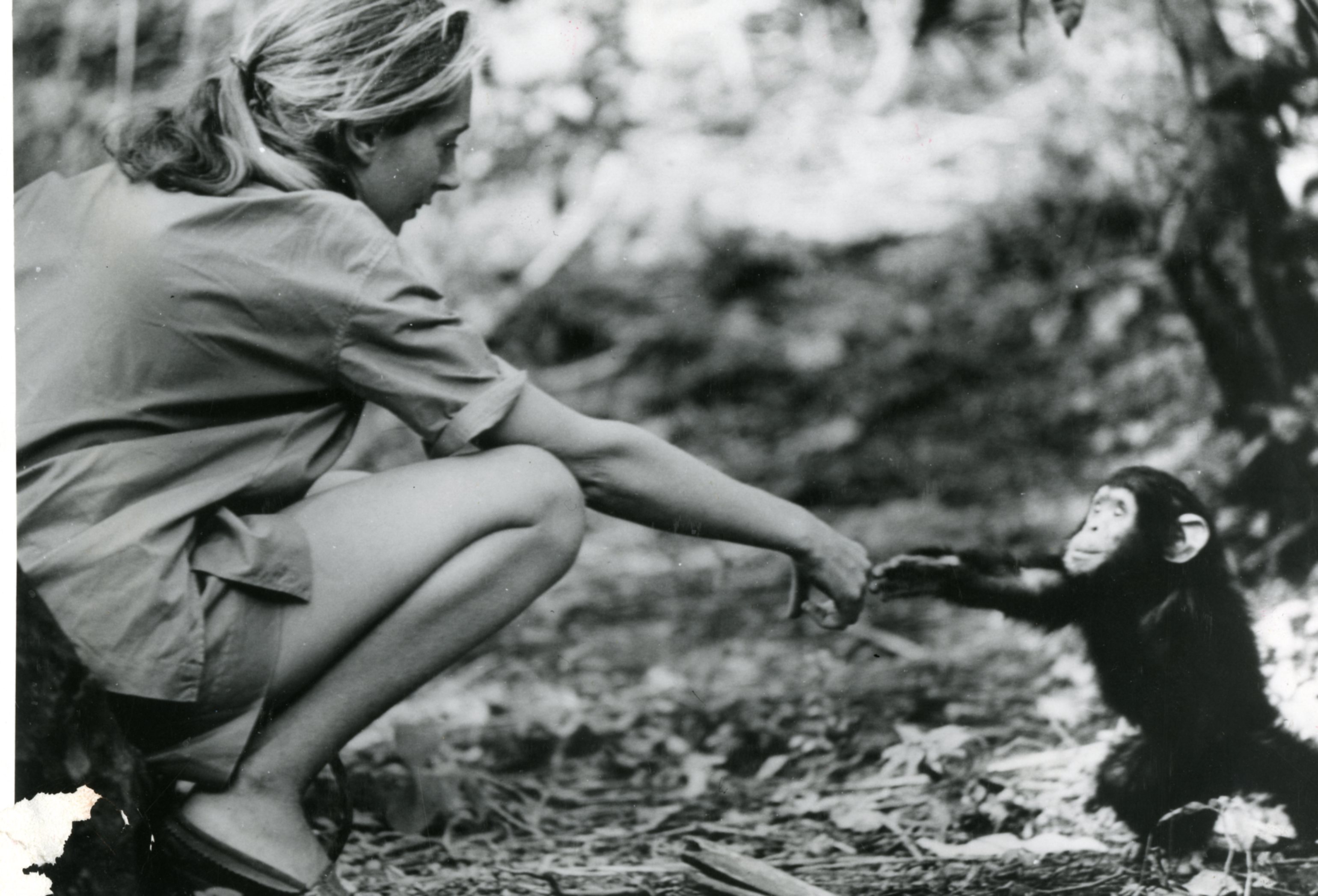
Photo courtesy National Geographic Society, photographer Hugo van Lawick.

Photo courtesy National Geographic Society, photographer Hugo van Lawick.

Fascinating and talented people visit the Cranbrook campus each year, including artists, educators, politicians, and scientists. Every so often, I come across something in the Archives which makes me think I wish I had been here then! This is one of those times – an illustrated lecture sponsored by Cranbrook Institute of Science, “In the Shadow of Man,” by Dr. Jane Goodall. Due to an anticipated large crowd, the April 1978 event was held off-campus in Birmingham Seaholm High School’s auditorium.

Gina Tecos, Archivist

The Kingswood Riding Club (1939-1943)

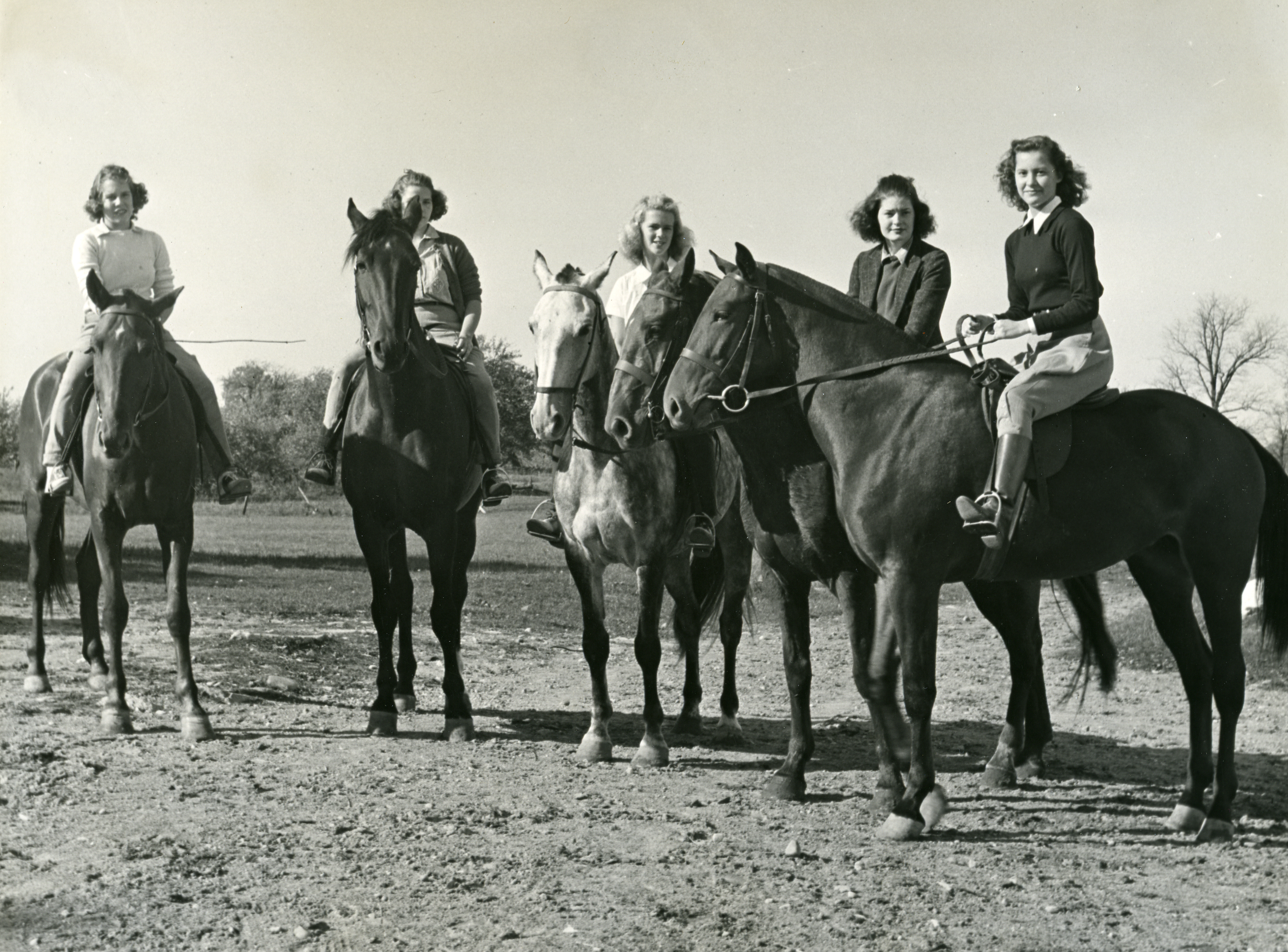
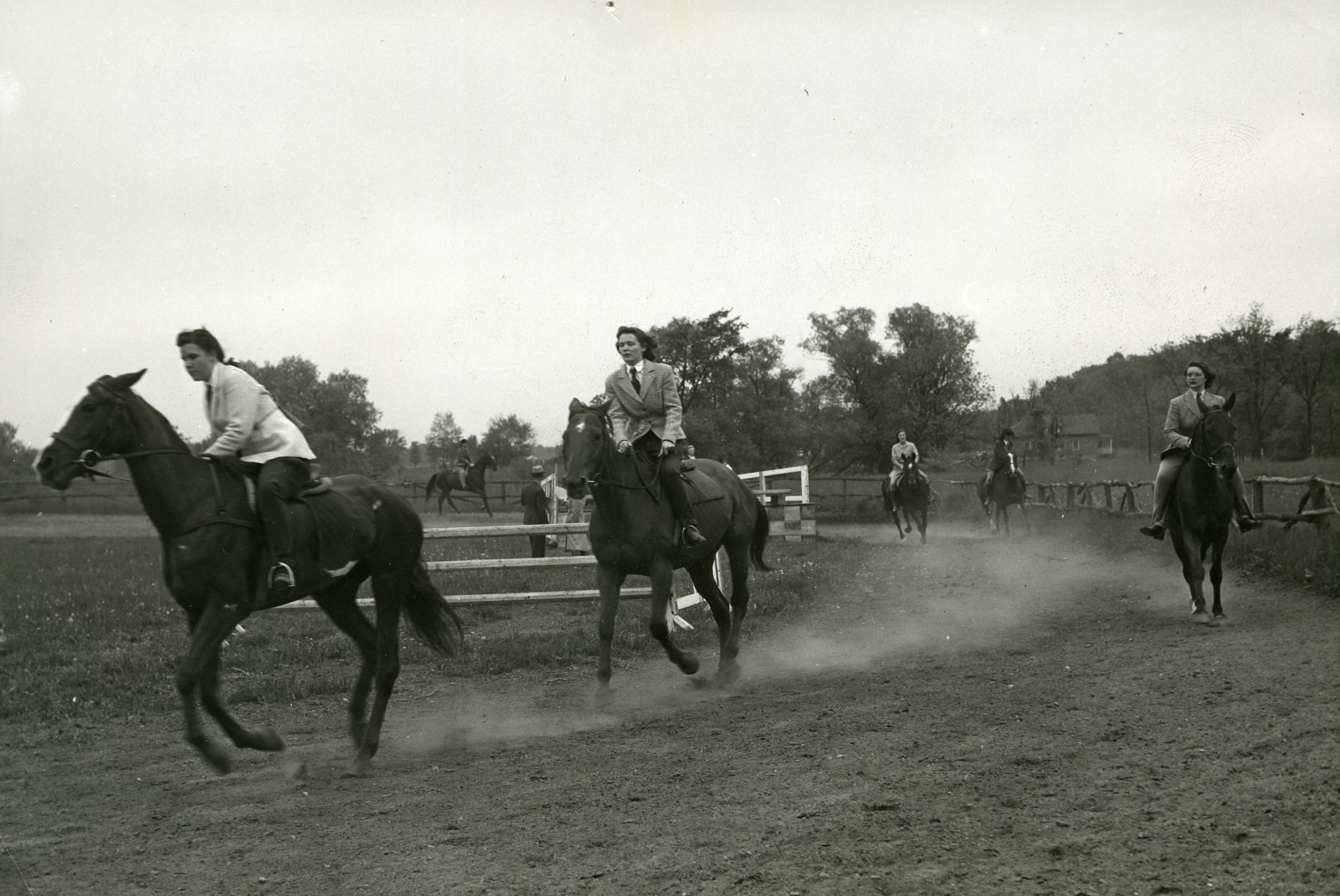
Shortly after the opening of Kingswood School for Girls in the fall of 1931, headmistress Katherine Adams reported that horseback riding would be a part of the physical education program, due in large part to the cooperation of nearby Bloomfield Open Hunt Club.  Several of the girls already boarded horses in nearby stables, including the Hunt Club. The Kingswood Riding Club was officially established in 1939 and the school catalog outlined that girls would ride on the Hunt Club’s bridle paths in spring and fall, and in the covered ring during winter months.  Girls rode on Wednesday afternoons as part of “club day” but the sport quickly became so popular that they also rode on Sunday mornings.  In the spring of 1940, Cranbrook School boys joined the girls for the Sunday morning rides, during which they enjoyed breakfast at the Club House.

Kingswood Riding Club

Kingswood Riding Club, 11 Oct 1939. Cranbrook Archives.

By the fall of 1940, the club had grown to 26 members and met on Mondays and Wednesdays.  Katherine Unger, of Walled Lake, was hired to “teach the riding club the fine points of riding and horsemanship”, and in the spring of 1941, the Kingswood Riding Club held its first horse show.  Riding took place at nearby Bloomfield Hunt Club and at the Outland Riding Stables (located on 14 Mile Road) where there was an inside ring. The following spring, the Kingswood Riding Club held its first horse show.

In September 1941, Unger expressed hope that 1-2 indoor shows would be held during the winter, and that more girls would own horses. “The school horses are all right for beginners but as was so apparent at the show the girls who had their own mounts made the best showing.”  Headmistress Margaret Augur felt the school could not encourage horse ownership (due to the added expense for the girls) and worried that competitions would become a “rich girl’s sport” and thus, a bad tendency for the school.

Horse Show

The 2nd annual Kingswood Horse Show, 20 May 1942. Cranbrook Archives.

The second annual Kingswood Horse Show was held on May 20, 1942 at Outland Riding Stable with judged competitions and an awards presentation.  Virginia McCullough won first place in all of the classes she entered – Hunters Class, 3 Foot Jump, Horsemanship for Owners, Open Jumping 3’6” and Hunter Hacks. Phyllis Klinger took first in the Three-gaited Class and Anita Bray for Horsemanship for Non-Owners.  During the fall of 1942, the girls planned a spring horse show but by December, gas rationing due to World War II meant that the girls were unable to secure taxis to the stables.  By March 1943, taxi service was discontinued and even though riding continued to appear as a sport in the school catalog until 1947, the club was never reinstated.

Leslie S. Edwards, Head Archivist and Gina Tecos, Archivist

Ways of the Designer: Betty Odle and the Wayanas

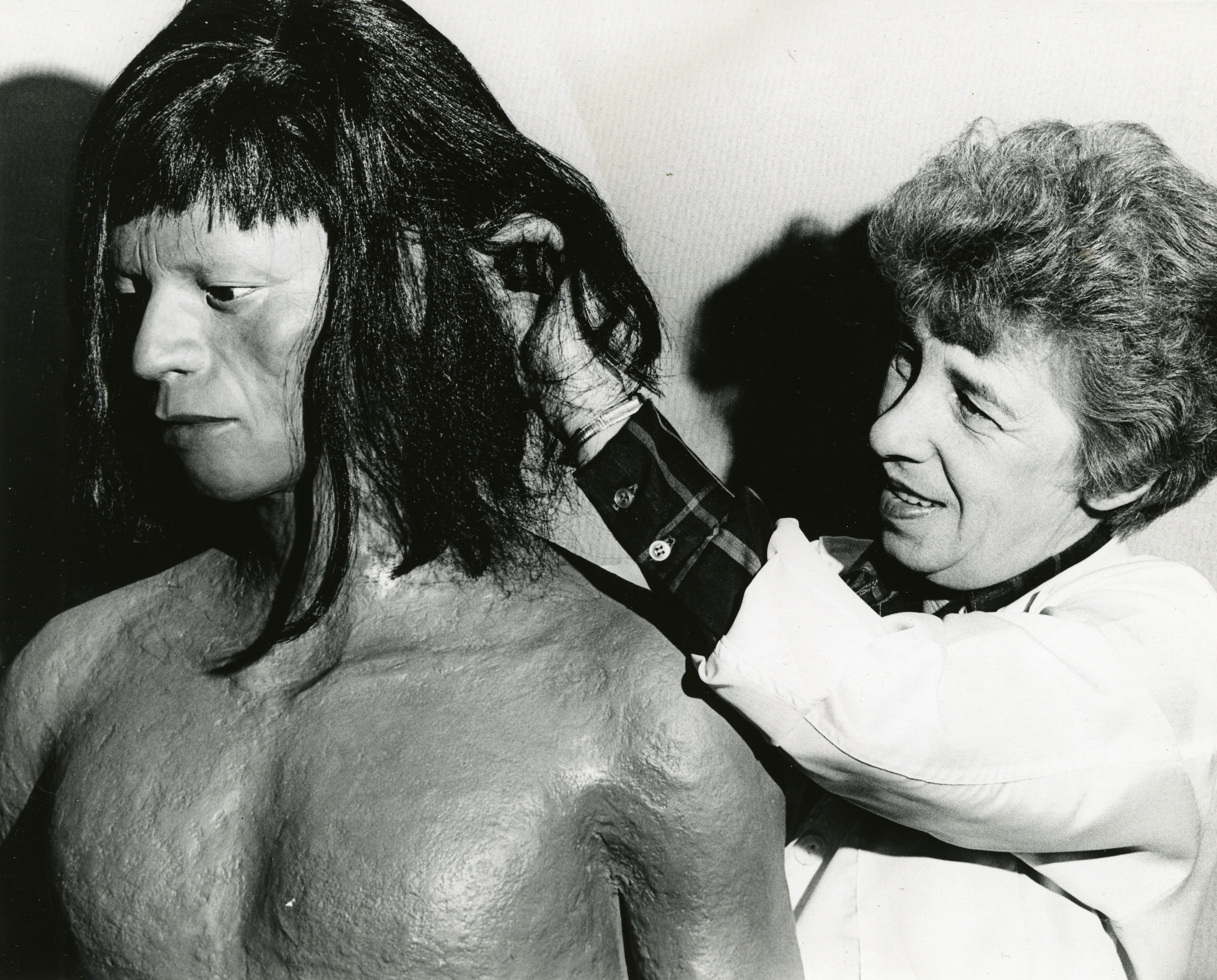
Early in 1969 then Cranbrook Institute of Science Director Warren Wittry gave exhibits designer, Betty Odle, an assignment to “design and build an exhibit on the Wayana Indian tribe of French Guiana and Suriname of northeast South America.” Odle and assistant Stella Toland worked over seven months to transform Caucasian store mannequins into the native Wayana people. Odle created the facial features, coloring, and anatomy from studies of photographs taken by explorer Art Erickson who lived with the Wayanas during his expedition to French Guiana.

Betty Odle adjusts a wig on a Wayana figure, Aug 1969. Cranbrook Archives.

Betty Odle adjusts a wig on a Wayana figure, 12 Aug 1969. Cranbrook Archives.

Creative modifications were necessary to create an accurate depiction of the Wayanas. Odle and Toland spent hours applying paper mache and plasticine to the bodies of the mannequins. Modeling clay was used to shape the faces before oil paint was applied to complete the finest details. The exhibit, “Ways of the Wayana,” opened in October 1969 and included a recreation of the “Wasp Mat Ceremony” with Odle’s life-size figures.

Betty Odle sits with the Wayanas she created, Sep 1969. Cranbrook Archives.

Betty Odle sits with the Wayanas she created, 10 Sep 1969. Cranbrook Archives.

Odle received high praise for the accuracy in her work by Erickson. Her work as the exhibits designer at the Institute spanned from 1959-1985. In 1984 she received Cranbrook’s Founder’s Medal for her many contributions to Cranbrook Educational Community.

Gina Tecos, Archivist

Create a website or blog at WordPress.com