Photo Friday: The Art of Richard Thomas

While researching an archival query this past week I discovered yet more hidden gems in our collection—the work of metalsmith Richard Thomas (1917-1988). Thomas held several positions at Cranbrook, including Head of the Metalsmithing Department, Dean of Students, Registrar, and Administrative Assistant to the President. The Archives has a small collection which documents many of Thomas’ private commissions.

One of the key works he created for Cranbrook was the Ceremonial Mace (1978) at the request of the Cranbrook Educational Community. Traditionally, the Christian processional cross had been carried at Cranbrook and Kingswood Upper School graduation ceremonies, but by the 1970s, upper school students objected to the fact that the cross did not accurately reflect the religious beliefs of the diverse student body. In 1973 and 1974, Kingswood head, Wilfred Hemmer, moved the cross from the front of the processional to the rear, then in 1975 agreed to remove it from the ceremony altogether.

Cranbrook Mace

Photo courtesy Cranbrook Art Museum.

After Hemmer’s resignation in early 1976, acting head Christopher Corkery reinstated the processional cross and a student protest ensued. Letters to the editor were written to both upper school newspapers and four Kingswood seniors refused to attend the Kingswood commencement. By May, ten percent of the student body threatened to boycott the ceremony.

Thomas’ design of the Cranbrook Mace incorporates symbols of four major religions: the Christian cross, the Star of David, the Crescent of Islam, and the symbol of Yin and Yang which represents the Eastern philosophies of China, Japan, India and Indonesia. The seals of the Cranbrook institutions are also a part of the design of the mace, which is made of rosewood, ivory, steel, sterling silver and gold.  The Cranbrook Mace is still used in graduation ceremonies to this day.
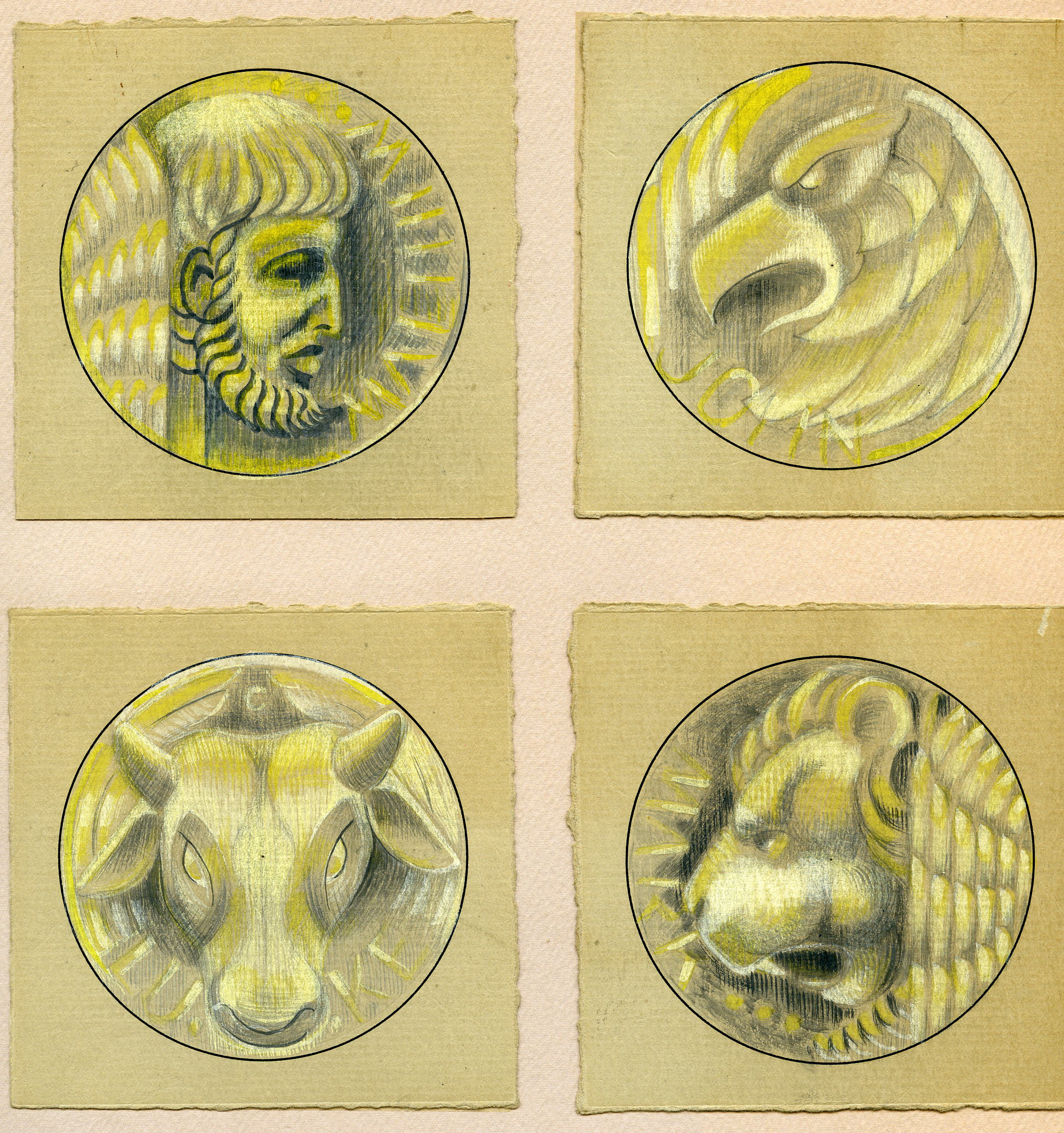
Richard Thomas sketch

Sketch from the Richard Thomas Papers, Cranbrook Archives.

In 1981, Thomas was awarded the Cranbrook’s Founders Medal. His design and fabrication of liturgical objects can be seen in more than ninety churches, synagogues, and temples across the country. He designed the Cranbrook Foundation’s silver punch bowl, the Saarinen Medal, and the commemorative medal for the Academy of Art’s fiftieth anniversary.

Gina Tecos, Archivist and Leslie S. Edwards, Head Archivist

John Cunningham and the Cranbrook School Mosaics

One of Cranbrook School’s earliest art teachers, John Cunningham (1904-2004), was a man of many talents. Born in New Jersey to a literary and artistic family, Cunningham attended a Manhattan prep school but spent summers working on ships that sailed the globe. After receiving both his undergraduate and graduate degrees in art from the University of California,  he studied painting with Hans Hoffman in Munich, and sculpture and painting with André Lhote in Paris.

Cunningham landed back in New York during the depression where he picked up odd jobs painting murals in the Catskills and set design for the Philadelphia Symphony Orchestra before he landed a position as the Head of the Fine Arts Department at Cranbrook School for Boys in 1931. By December, Cunningham had created a large transparency in imitation of a stained glass window. It was placed in the Cranbrook School dining hall during the Christmas pageant and was illuminated from behind with floodlights.

Cranbrook School Art Instructor, John Cunningham

John Cunningham in the Club Room, 1933 Richard G. Askew, photographer.

Wildly popular with the students and the faculty, Cunningham formed an Art Club. One of the major projects of the club students was to transform an unfinished room (now home to the Robotics Club) under the Senior Study Hall into a “very elaborate club room.” The highlight of the room was a series of hand-set glass mosaics by Cunningham that represented great men of antiquity. (Originally, his plan was to have one wall of panels representing ancient figures and a second wall which featured more modern figures including Sun Yat Sen, Ghandi and Lenin. This was never realized.) Additional changes to the room included the addition of a fireplace and ceiling stencils created by the boys that portrayed the history of transportation.

Cunningham was also known for the work of his students – particularly wood sculptures created by the Lower School boys. These were featured in an exhibition at the Kalamazoo Art Institute in 1932, and were so well received that additional museums across the state featured the exhibition as well before being displayed in the 1933 Century of Progress Exposition in Chicago.

Mosaic detail by John Cunningham

Mosaic detail by John Cunningham, 2015. Leslie S. Edwards, photographer.
The mosaic, which features Imhotep, Buddha, Christ, and Francis of Assissi remains today. The door no longer exists and the painted beams have been covered by a drop ceiling.

While it is not clear exactly why Cunningham left Cranbrook, his view of modern art did not mesh with that of headmaster William O. Stevens. The Cranbrook School paper The Crane reported that Cunningham was leaving to pursue work in Czechoslovakia. At the end of the 1932-1933 school year (during the time of the national Bank Holiday), Cunningham resigned. He and his wife ultimately returned to California where they purchased the Carmel Art Institute where Cunningham taught until it closed in 1992.

~ Leslie S. Edwards, Head Archivist

Sailing the High Seas: John Martell and the War of 1812

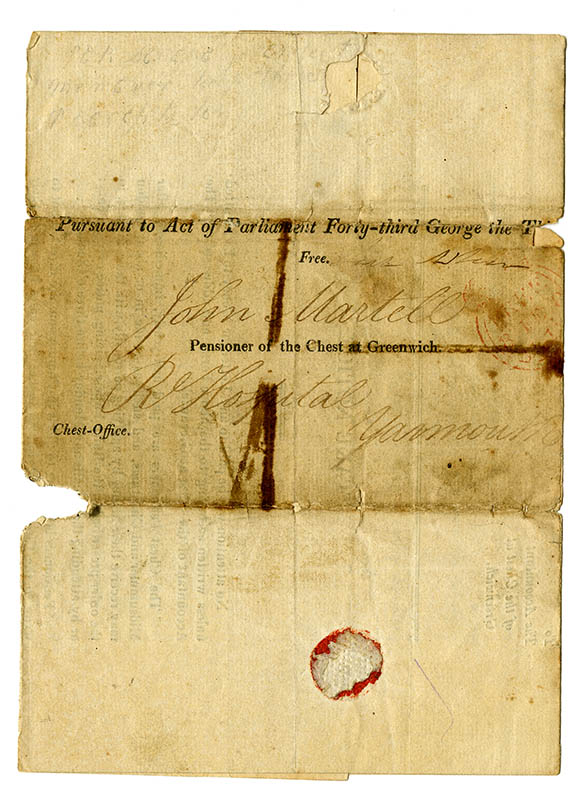
martell1

Greenwich Hospital Out-Pensioner Application, John Martell, n.d. Henry Wood Booth Papers.

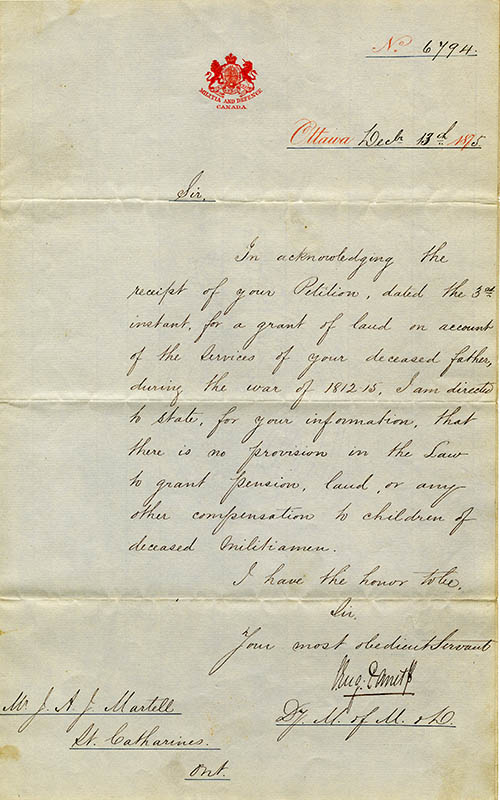
martell2

Petition for Pension, John Martell Jr., 1875. Henry Wood Booth Papers.

George Gough Booth’s maternal great-grandfather was John Martell  (1791-1836), a purser in the British Royal Navy.  Martell served on the HMS Aeolus, a 32-gun frigate, which was part of a flotilla of five ships charged with patrolling the waters between New York and Halifax, Nova Scotia during the War of 1812.  On July 16, 1812, the Aeolus was part of the squadron that gave chase to the USS Constitution, which finally managed to escape and sail safely to Boston.  After the war, Martell spent several years stationed first at Isle-aux-Noix in Quebec, a key ship-building center for the British at Lake Champlain.  He was a clerk in the dock yards at the Kingston Royal Naval Yard in Ontario, and was a store porter at the Grand River Naval Depot (Port Maitland) on Lake Erie until his discharge in 1832. Martell and his wife Mary (nee O’Keefe) then resided in St. Catherines, Ontario where Martell served as the first Postmaster and the first division court clerk.  John Martell died in 1836.

Leslie E. Edwards, Head Archivist

Photography: The Art of Our Time

croze003

Cranbrook Archives/ Mary Ann Lutowski Papers.

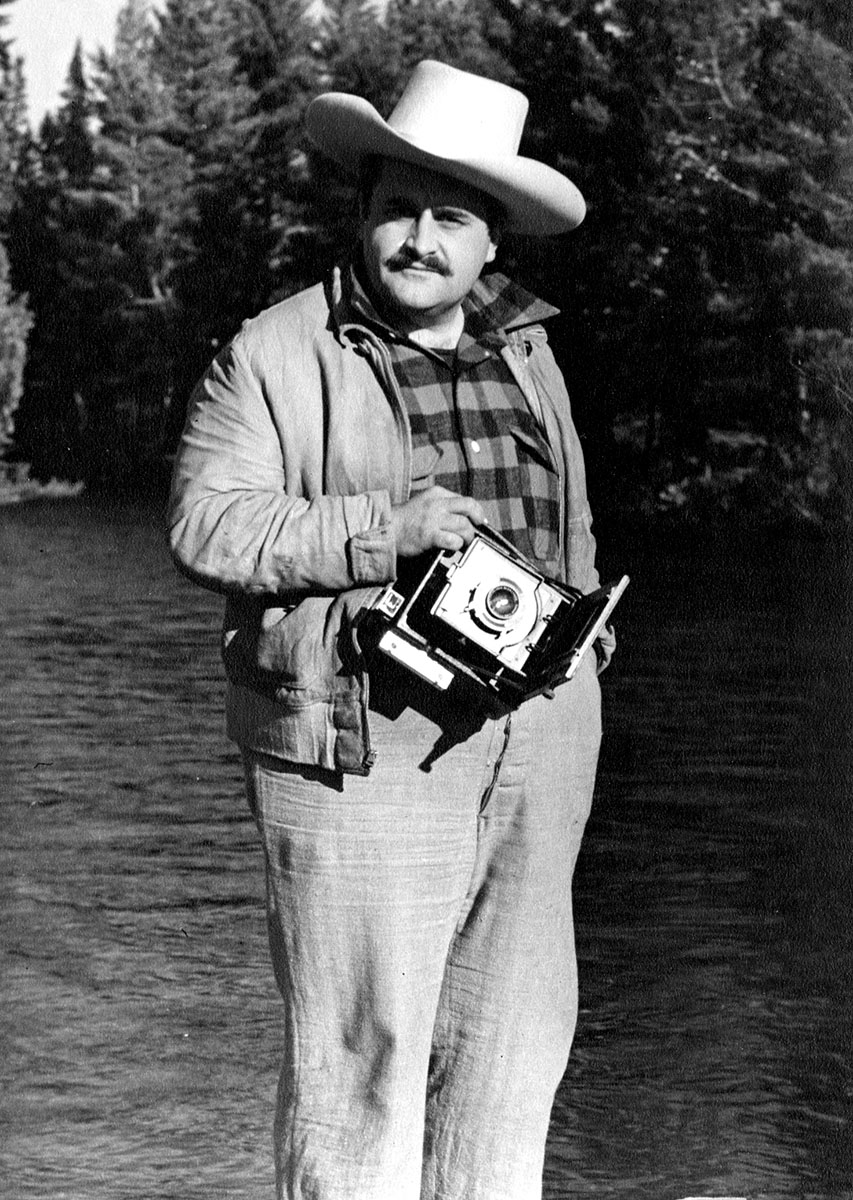
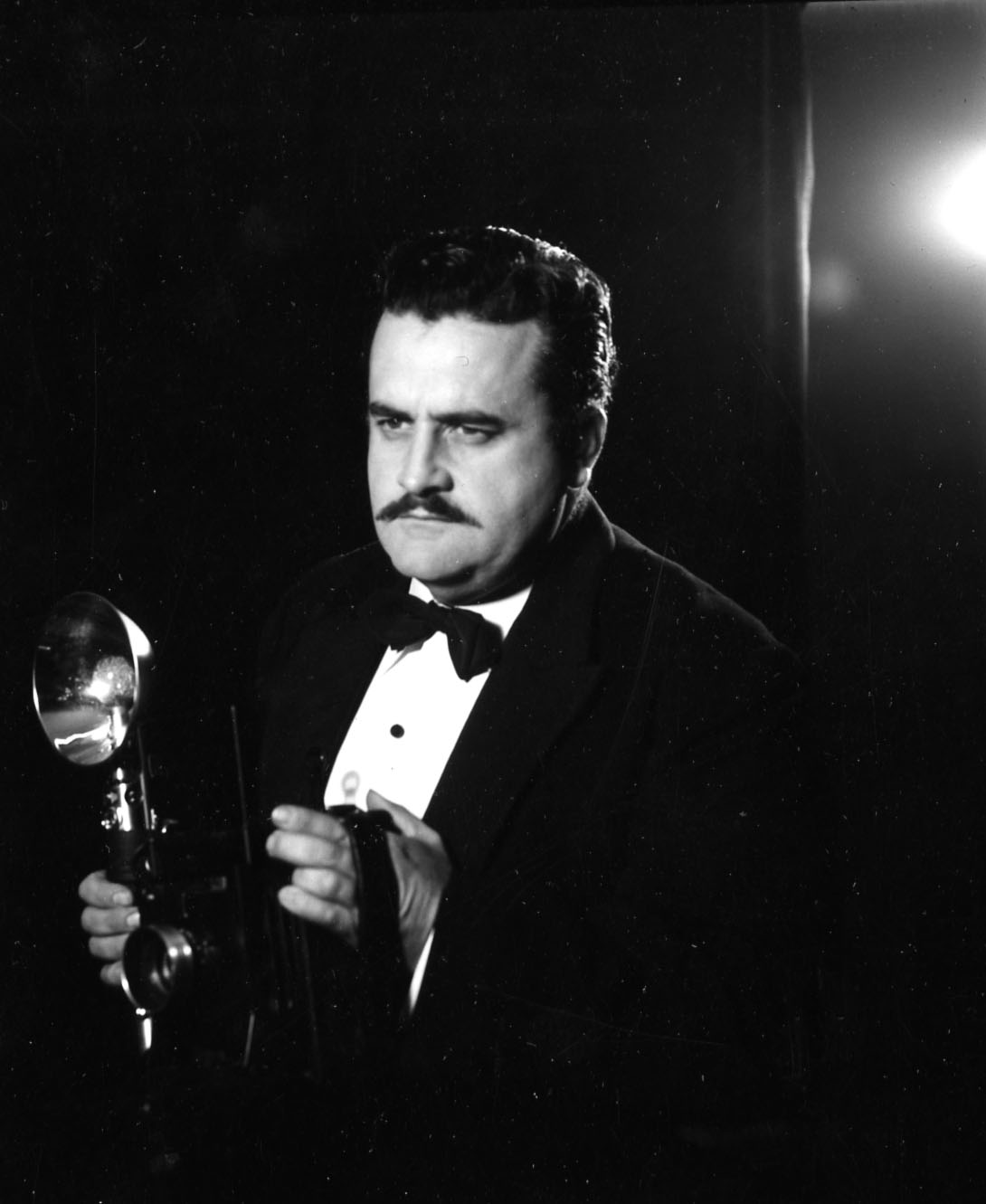
Most people at Cranbrook have heard of Harvey Croze (1904-1973).  From 1944-1970 he served as the primary photographer for the Cranbrook Foundation.  During his tenure here, he produced thousands of photographs, ranging from sculpture and architecture to photographs of school athletics, parties, dances, and any number of other events.  He was particularly beloved by the Cranbrook Kingswood students for his jovial personality and sense of fun. He even wrote a song called the “Cranbrook Waltz” in 1953.

croze1

Cranbrook Archives/ Mary Ann Lutowski Papers.

Croze was born in Houghton, Michigan.  Short and stocky, he sported a big, black mustache and a Leica camera.  A former long distance swimmer who tried out for the 1938 Olympic team (but did not make the cut), Croze was a painter, actor, and Dominican Republic sugar plantation supervisor before photography became his profession.  He studied modern design and photography with Nicholas Haz, took a photography course with Laszlo Moholy-Nagy at the Chicago Institute of Art, and studied photographic techniques with Ansel Adams in Colorado.  He acquired his photo processing skills when he worked as an apprentice in the darkrooms of Chrysler and General Motors.  And, he served on the executive committee of the Auxiliary War Photographer Service where he shot publicity photographs for the Red Cross and the service men at the USO centers during World War II.

croze002

Cranbrook Archives/ Mary Ann Lutowski Papers.

The third of the Cranbrook Foundation staff photographers, Croze was hired in Dec 1943 as photographer and operating manager of the Cranbrook Photo department.  Located in the basement of the Academy of Art Administration Building, the department provided a convenient service to the institutions and in order to provide photographs for press releases, the photo department was available 24 hours/7 days a week.  Not only did Croze take photographs and process them with his assistant Agnes LaGrone, he also taught photography to Academy of Art students and ran his own photography business on the side, primarily catering to Cranbrook-related artists.   During his 27 years at Cranbrook, Croze photographed many well-known celebrities including Carl Sandburg, Frank Lloyd Wright, Basil Rathbone, and General MacArthur.

5496-18

Cranbrook Photo Department, 1940. Richard G. Askew, photographer.


Croze was also nationally recognized for his photographs and exhibited at the Detroit Historical Museum, the Flint Institute of Arts, and the Smithsonian as well as numerous one-man shows here at Cranbrook.   In 1945, he won fourth prize in the San Francisco International Color Slide Salon and in 1960 was awarded a prize in the U.S. Camera magazine photo contest.

In June 1970, Croze’s impending retirement as well as financial deficits of the department led the Cranbrook Foundation to close the photography department. The photographic files were transferred to the Cranbrook Archives where they remain today.

Leslie E. Edwards, Head Archivist


Photo Friday: Fall is Leaf-ing Us

Oriental Bridge, 1980.  Balthazar Korab, photographer.

Oriental Bridge, 1980. Balthazar Korab, photographer.

Autumn is a second spring when every leaf is a flower.     –Albert Camus

Fall is probably my favorite time of year, and on the Cranbrook campus, there is no lack of beautiful spots to capture on film.  Though taken nearly 25 years ago, this photo captures the beauty and serenity found all around us.  Built before 1914, the bridge was originally called the Japanese bridge and was made of arched cypress.  How do we know this?  George Booth had meticulous inventories taken in the early days and every piece of wood, metal, and otherwise was accounted for!  Now, the bridge, part of the Oriental Gardens and known as the Oriental bridge, is painted red and is one of the centerpieces of  the gardens meticulously maintained by members of the Cranbrook House and Gardens Auxiliary.

With the recent winds and rain, the leaves are fast falling from the trees and gracing us with a different set of vistas.    Good-bye autumn leaves until next year.

Leslie E. Edwards, Head Archivist

Letters Left Behind: Advertising Local History

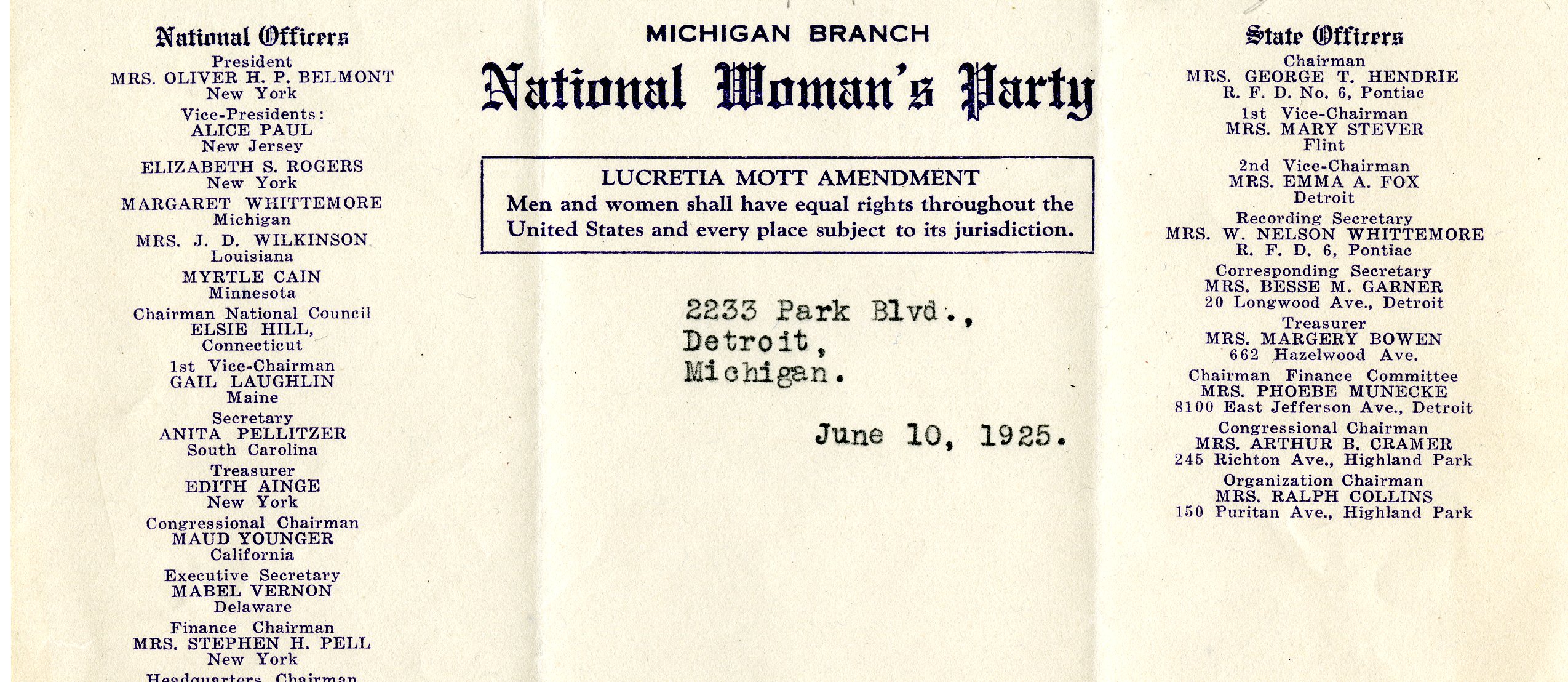
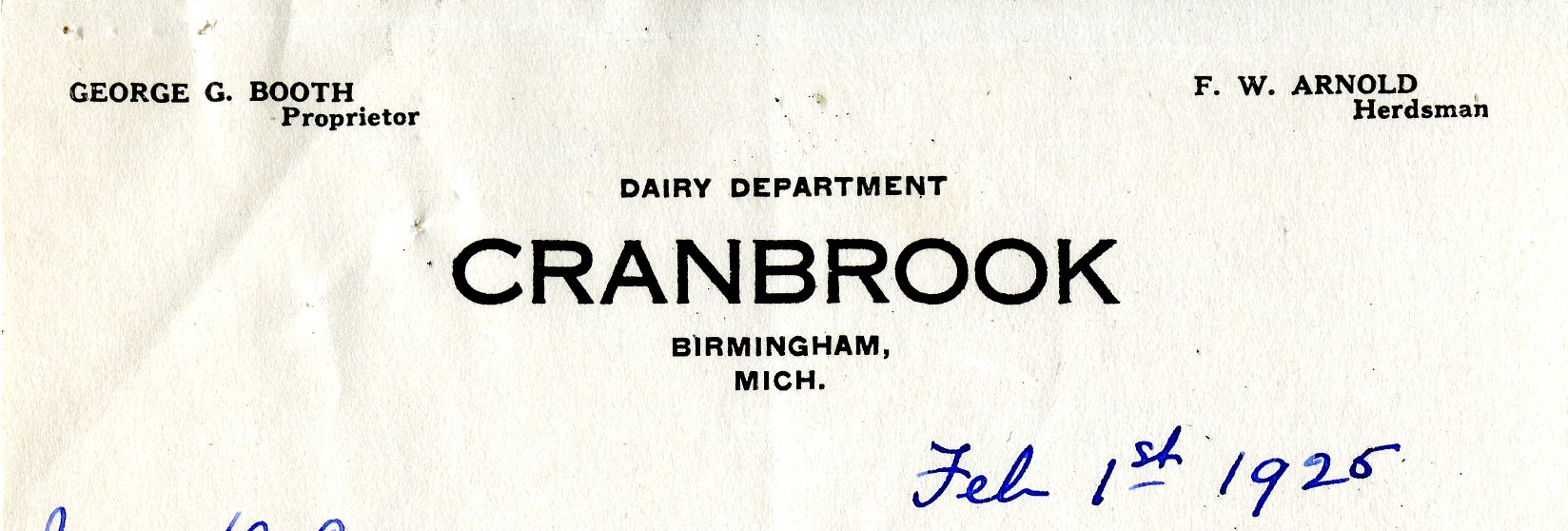
In pulling together the final selections for the Cranbrook Archives’ exhibition “Ephemera: Stories that Letterhead Tells,” I had many difficult choices to make. We have so many fantastic examples of letterhead that span 150 years. It was hard to choose which stories to tell in the exhibition!

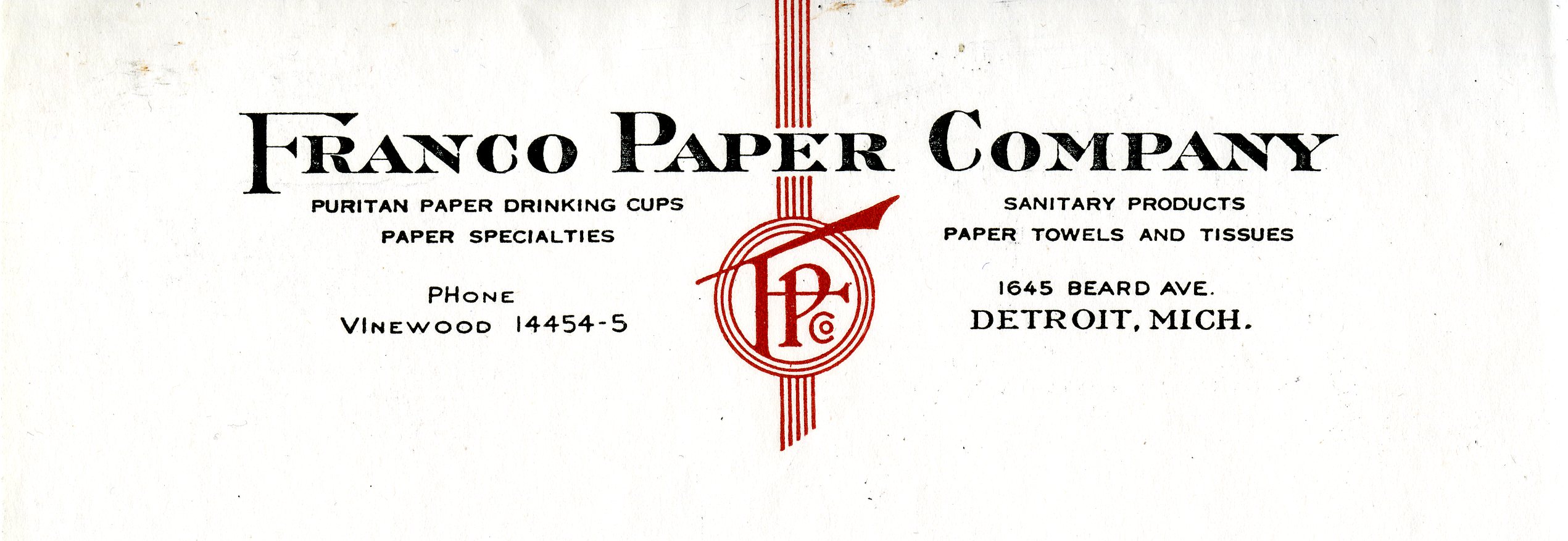
That said, I have to say that some of my favorites are the ones that document Michigan history, and specifically, local area history. Numerous businesses including retail stores, restaurants, gas stations, hotels, industries and civic organizations, are no longer in existence and the letterhead is the last bit of evidentiary proof of existence. This post is an opportunity to spotlight a few of these.

farm003

lumber001

paper007

women006

flag002

Beginning this Thursday, the Archives, as part of the Center for Collections and Research, will be host to a lecture series about Michigan history. In each of the three lectures, the speakers will highlight letterhead from their own institution’s archival collections that relate to the stories they are telling. Please join us this Thursday October 16th for the first in the series: “Boom Town: Detroit in the Roaring ‘20s” by Joel Stone, Senior Curator of the Detroit Historical Society. The lecture will be held in DeSalle Auditorium, Cranbrook Art Museum, from 7-8:30pm and include a tour of the exhibition “Ephemera: Stories that Letterhead Tells.”

Leslie S. Edwards, Head Archivist
Object in Focus: Viktor Schreckengost Correspondence

Viktor Schreckengost letter, 1938

Saarinen Family Papers, Cranbrook Archives

While doing research for the Cranbrook Archives’ upcoming exhibition Ephemera: The Stories that Letterhead Tells, I discovered a beautiful example of bold, colorful letterhead from 1938. The letterhead, designed by Viktor Schreckengost, was clearly influenced by the Bauhaus designs of the 1920s and 1930s which featured asymmetrical compositions and expressive typography. The content of the letter is of course also very interesting. A response to textile designer Loja Saarinen’s request to purchase the ceramic sculpture “Young Pegasus,” the letter shows a mutual respect between the two artists. The sculpture, which Schreckengost sold to Loja Saarinen, lived for many years in Saarinen House, and is now in the permanent collection of Cranbrook Art Museum.

As the saying goes, “curiosity killed the cat,” and as I knew nothing about Schreckengost, I set out to see what I could discover about him. Turns out that Schreckengost, who spent the majority of his life in Cleveland Heights, Ohio, was not only an industrial designer (think streamlined pedal cars and the Sears Spaceline bicycle), but was also a painter and ceramicist. The son of a commercial potter, Schreckengost dabbled in clay sculpture as a child, and went on to design mid-century modern dinnerware for American Limoges and Salem China. Perhaps his best-known ceramic work is the Jazz Bowl (1930-1931) that he created at Cowan Pottery in Rocky River, Ohio, for a commission from Eleanor Roosevelt.

Viktor Schreckengost letter, 1948

Cranbrook Art Museum Exhibition records, Cranbrook Archives

In 1948, then curator of Cranbrook Art Museum, Esther Sperry, was in the process of planning the Academy of Art’s Second Biennial Ceramics and Textile Exhibition and reached out to Schreckengost. The exhibition records yielded two more very interesting letterhead from Schreckengost. With simplified typography, the first reflects Schreckengost’s response to post-war graphic design and the promotion of “less is more” concept, while the second illustrates how Schreckengost constantly experimented with type and design elements. Both 1948 letters show his conscious effort to utilize negative space as an active element.

Viktor Schreckengost letter, 1948

Cranbrook Art Museum Exhibition records, Cranbrook Archives

The bottom line is that for me, these three objects in our collection are fascinating – in their design, in their content and how they, as cultural artifacts, reflect the changing world of design through their rich visual vocabulary.

Leslie S. Edwards, Head Archivist

Photo Friday: Happy Birthday Ralph Rapson!

New Moon by Ralph Rapson

Plan for Rapson’s New Moon Homes, Alma, Michigan, 1945. (Project not realized) Cranbrook Archives

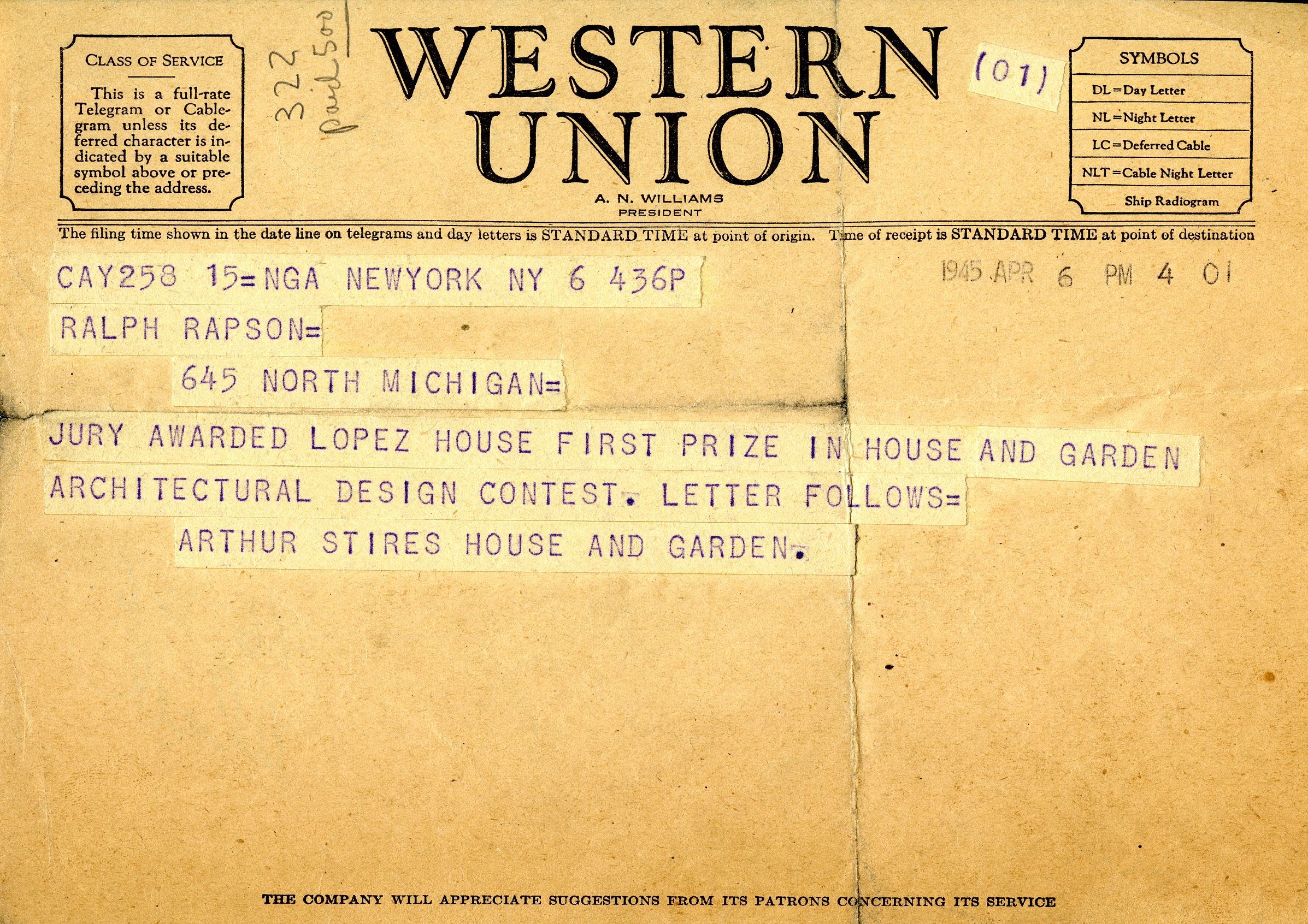
In honor of Ralph Rapson’s 100th birthday, (September 13th) today’s Photo Friday features images from the Ralph Rapson Collection (1935-1954). Rapson studied architecture under Eliel Saarinen at the Cranbrook Academy of Art from 1938-1940.  He worked in the Saarinen office until 1941 when he moved to Chicago and taught at the New Bauhaus with Lazlo Moholy-Nagy.  In 1954, he relocated to Minneapolis where he established the University of Minnesota’s School of Architecture.  One of the country’s leading modernist architects, Rapson created hundreds of sketches and is perhaps best known for his whimsical illustrations of people and transportation.

Ralph Rapson telegram

Telegram announcing Ralph Rapson’s first prize win for the “Lopez House” in the House and Garden Architectural Design Contest, 1945. Cranbrook Archives

Leslie S. Edwards, Head Archivist, and Gina Tecos, Archivist

Object in Focus: “Cabin” by Marjorie Young

Cabin, by Marjorie Young

The unpublished manuscript, “Cabin,” by Cranbrook Academy of Art student, Marjorie Young. Cranbrook Archives.

My family has been going “up north” for nearly 50 years and in 1967, purchased property in Good Hart, Michigan. A popular vacation spot nestled in the woods along the bluff of Lake Michigan, the area from Harbor Springs to Cross Village has been a retreat for numerous Cranbrook-related luminaries over the years. In the 1940s, Henry Scripps Booth and his family vacationed in Good Hart at the Blisswood and the Old Trail Inn resorts. In the 1950s, Cranbrook Academy of Art painting instructor Wally Mitchell began vacationing up north, and in 1972 built an A-frame cottage on the beach just south of Cross Village. Bob and Pipsan Swanson began designing buildings near Harbor Springs as early as 1941 as well. Blog posts about these and other Cranbrook stories in northern Michigan can be found on the Cranbrook Sightings blog.

This object in focus today is an unpublished manuscript in our collection penned by a lesser known Cranbrook Academy of Art student named Marjorie Young. When I first read “Cabin,” my heart skipped a beat as I soon realized that Young was writing about MY up north: the place where I go for, as I jokingly say, my “mental health holidays.” The place of trees and wind and waves lapping in the distance, of spectacular sunsets and so many beautiful rocks that there is not time to look at much less collect them all. Young wrote about the same sort of experiences and thought-feelings in “Cabin” from the time she first visited the area in 1935 with her family, to 1946 when she bought her parcel of land with her friend Barbara, and through the 1980s. (Marjorie passed away in 1988.)

Cabin in northern Michigan

Marjorie Young’s cabin in Cross Village, Michigan. Private Collection.

Marjorie Young received her M.F.A. in painting from Cranbrook Academy of Art in 1951. She and Barbara originally intended to build a small studio in which to work and house their “cultural artifacts.” The initial cabin sat close to the bluff but due to land erosion but was moved back and expanded to a larger cottage in 1973. Over the course of Young’s career, she taught art at the Toledo Museum of Art, The Detroit Institute of Art, Western Michigan University, and The Oakland Art Museum in California among others. She was also Director of the Battle Creek Art Center from 1963-1974. However, no matter where she lived or worked, she always returned to her cabin up north.

Cranbrook Academy of Art student, Marjorie Young. Cranbrook Archives.

Portrait of Marjorie Young. Cranbrook Archives.

In the preface of “Cabin,” Young wrote “sitting in the studio which overlooks Lake Michigan . . . I am distracted. Everywhere is growth and beauty, all senses are pleased and excited whatever the hour or season. As I stand inside at the window, waiting for that most hushed and spectacular wonder of each day – the setting of the sun – I know once more the serenity of being here, absolved from all conflicts.” Marjorie’s up north, my up north, and the up north of many of us will always be this same place of respite, of refuge, and of creativity, hopefully for decades to come.

Interior of Marjorie Young's cabin in northern Michigan. Cranbrook Archives.

An interior view of cabin studio. Private Collection.

Leslie S. Edwards, Head Archivist

Photo Friday: Back to School in 1912

Stock certificate for the Bloomfield Hills Seminary issued in 1912/Courtesy Cranbrook Archives.

Stock certificate for the Bloomfield Hills Seminary issued in 1912. Cranbrook Archives.

In early June of 1912 a small group of Bloomfield Hills residents assembled at the home of William T. Barbour (president of Detroit Stove Works) to discuss the formation of a small local private school. After general discussion, it was moved by George Gough Booth to establish a corporation with capital of $5,000.00 in order to establish the school. According to meeting minutes, the objectives were to “give the young people of Bloomfield Hills, and those from nearby towns, the opportunity to study in the country; to offer a course of study that will fit them for life as well as for college.” With these objectives in place, the Bloomfield Hills Seminary was incorporated in August.

Often referred to as the precursor to Brookside School, the Seminary was located on five acres at the corner of Woodward Avenue and Lone Pine, in a historic house built in 1820 by Ezra Parke. Booth, who had purchased the property in 1910, offered use of the house and added a five-class-room addition with the caveat that the property would revert back to him should the school ever close.

Mary Eade, who had been the principal of the Detroit Seminary for Girls, became the principal and taught grammar and upper level courses, including History of Art. Elizabeth K. Seward (granddaughter of William Henry Seward of the Alaska purchase fame) taught intermediate classes including French, and Winifred Eastman was responsible for the elementary age children. The coeducational day school used the Montessori method of instruction.

In 1916, the trustees voted to change the name of the school to the Bloomfield Hills School. At its peak, there were eight teachers and fifty-one students enrolled. Due in part to the resignation of Mary Eade (who resigned to do war work) and the construction of new schools in Birmingham and Pontiac, the school closed in 1918 after six years. The property reverted back to Booth who purchased all of the stock certificates back from the trustees, and later became known as the Lone Pine Inn and Tea House, but that’s another story!

Leslie S. Edwards, Head Archivist and, Gina Tecos, Archivist
Create a website or blog at WordPress.com