Think Snow!

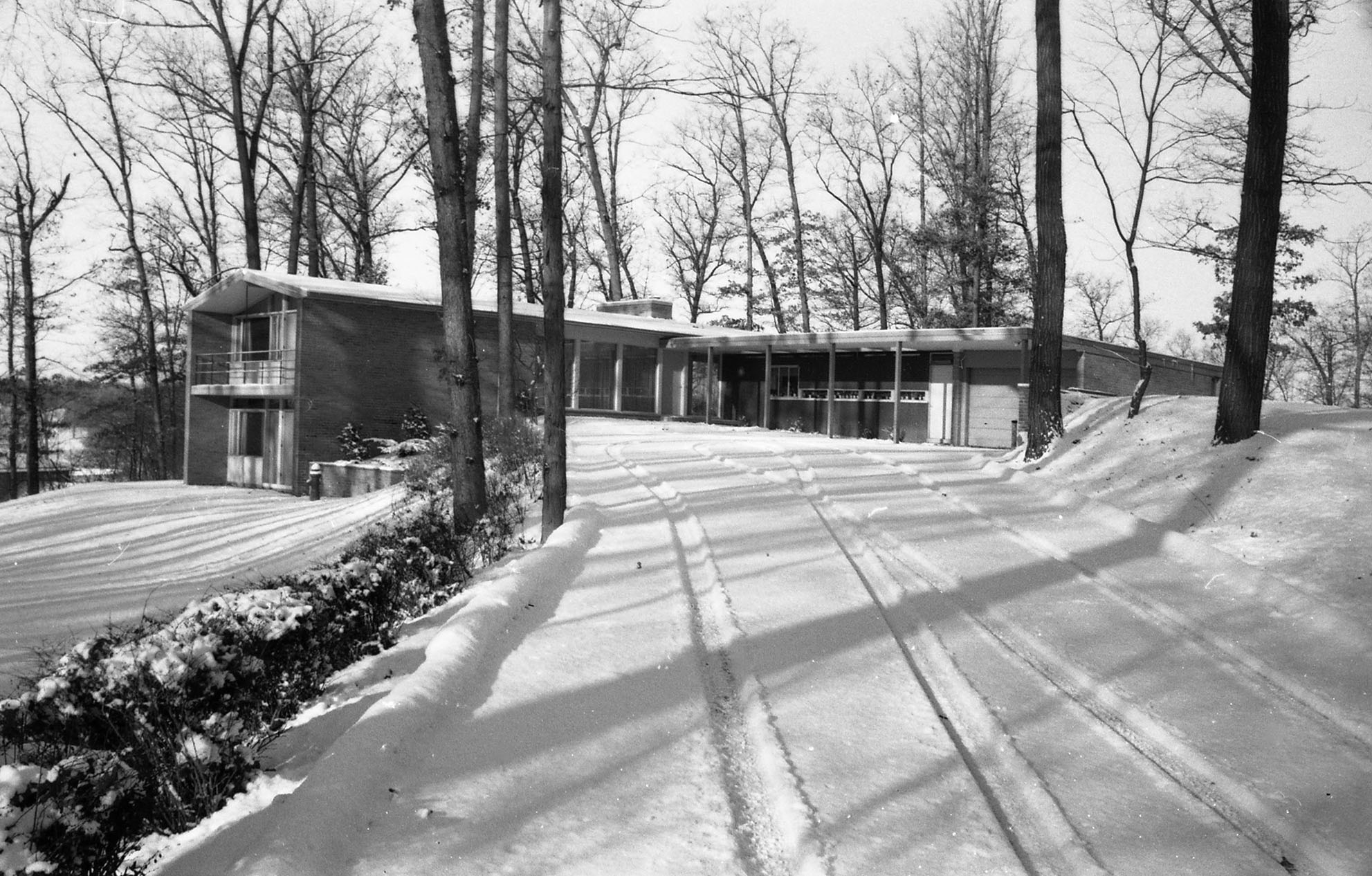
Kingswood School Headmistress residence, 1955.

Kingswood School Headmistress residence, 1955.

Boys from Cranbrook School playing hockey outdoors, 1928.

Boys from Cranbrook School playing hockey outdoors, 1928.

Brookside children ice skating, 1928.

Brookside children ice skating, 1928.

Academy of Art students, Florence Chang and Margueritte Kimball cross-country skiing at Cranbrook, 1944.

Academy of Art students Florence Chang and Margueritte Kimball cross-country skiing at Cranbrook, 1944.

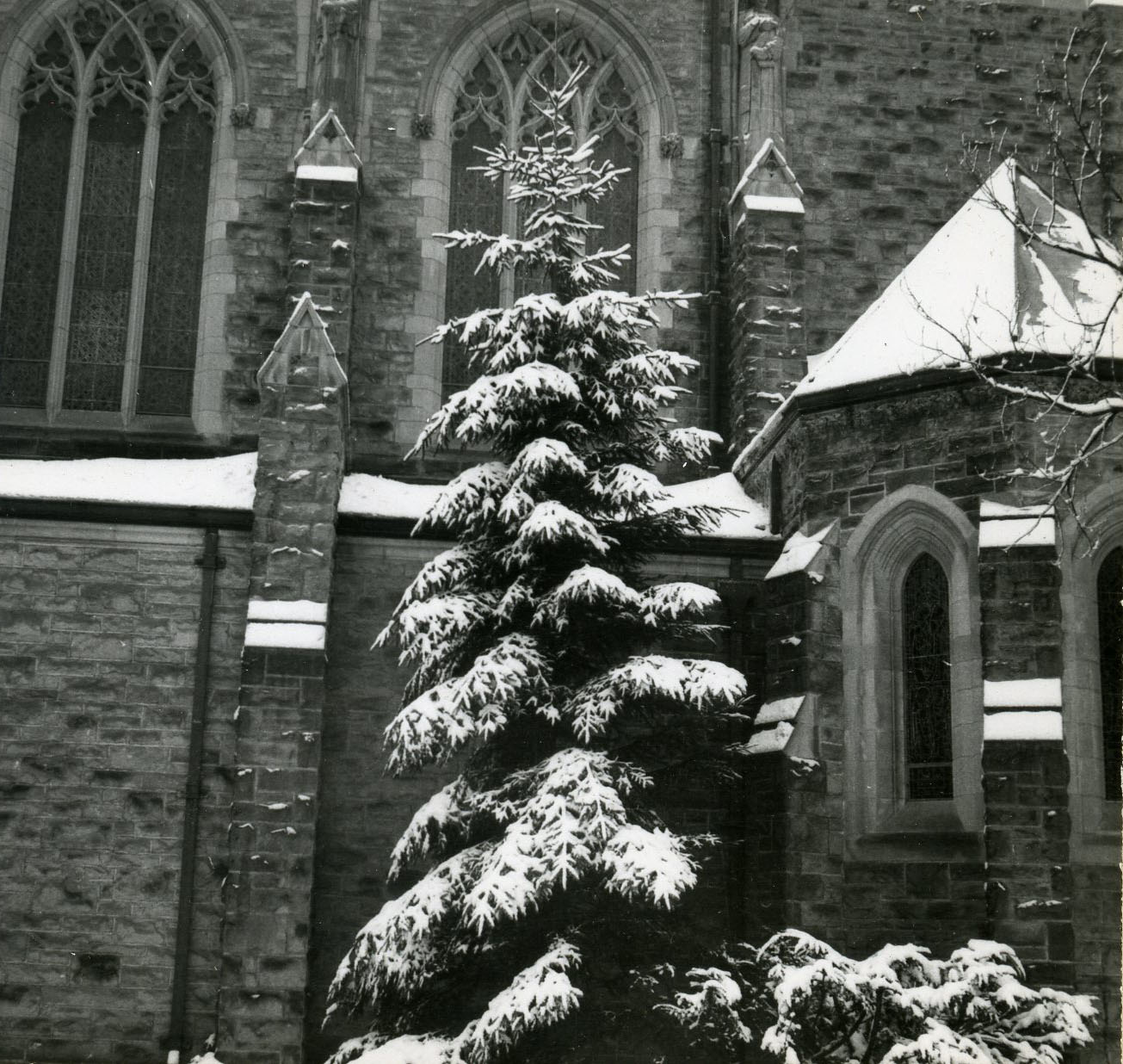
Christ Church Cranbrook, ca 1938.

Christ Church Cranbrook, ca 1938.

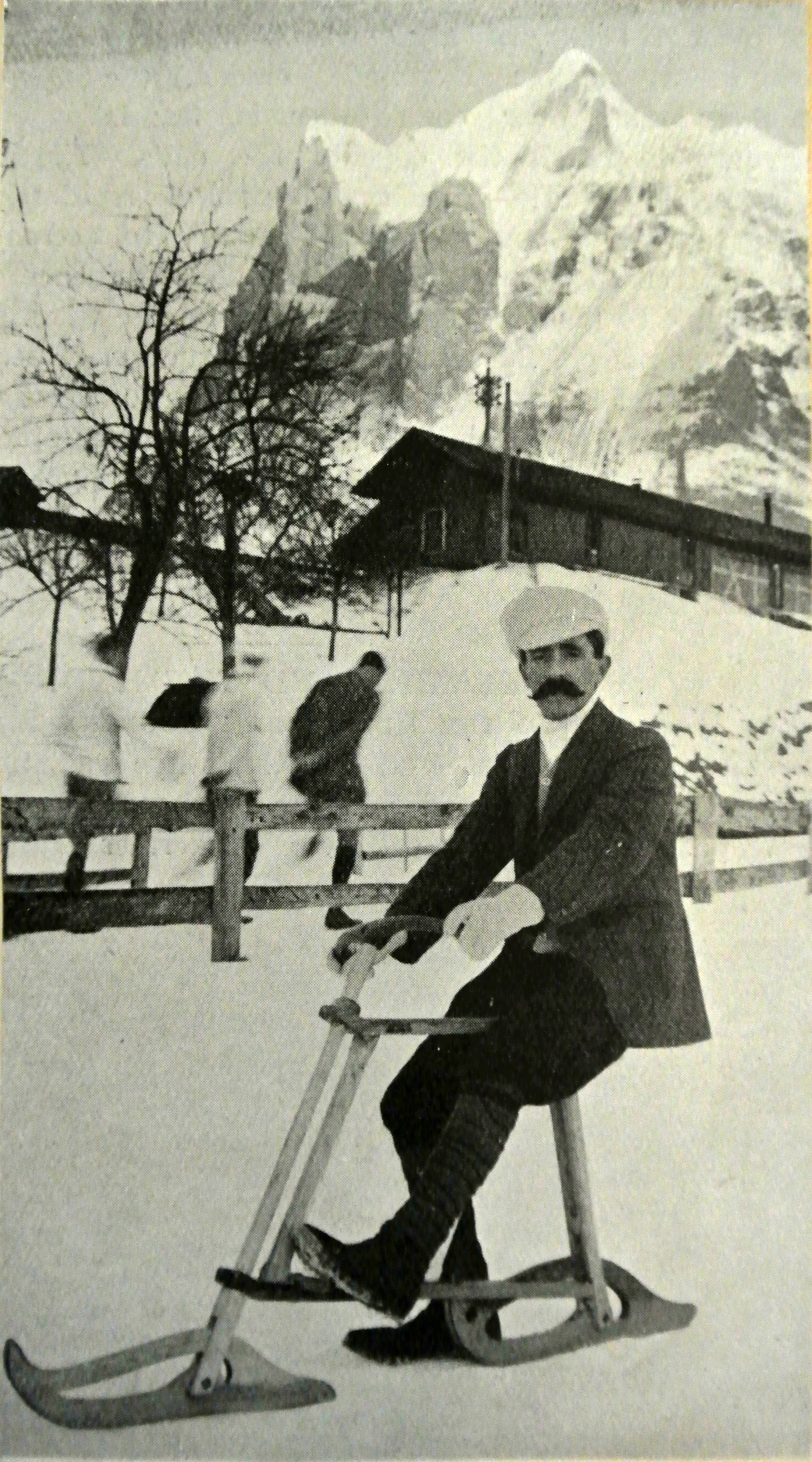
Early Bicycle Sled?

Courtesy Cranbrook Archives

Courtesy Cranbrook Archives

This gentleman caught my eye as a colleague was browsing through a George G. Booth (GGB) scrapbook containing clippings of illustrations from magazines. The scrapbook was GGB’s “Dream Book” of art and architecture examples on which to model his new home at Cranbrook, and is part of his papers.

Amidst illustrations of terraces, statues and waterfalls was this Alpine dandy. Why is his picture there, and what is that contraption he’s sitting on? A search on the Internet revealed no information on this early 20th century, bladed “vehicle” for seated conveyance. If anyone out there knows more about it, I’d be delighted to know!

–Cheri Gay, Archivist

Good news! One of the Archives’ volunteers, Lois Harsh, spent a cold afternoon diligently searching the Internet and found this web site, www.ski-bike.org that identifies several versions of the ski bike. This particular version is from around 1914. Thanks, Lois!


Photo Friday: Spectacular Strikeouts

bowling alley_ CAA_1

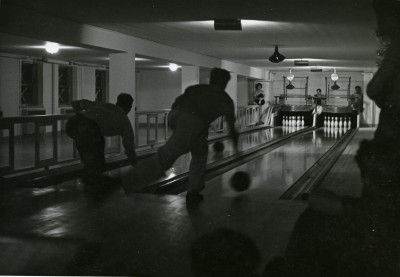
Academy of Art students bowling. Courtesy Cranbrook Archives.

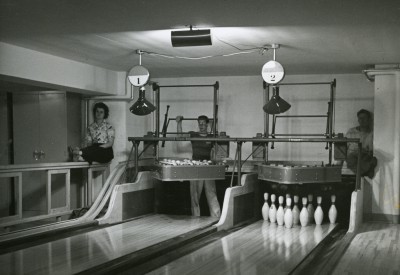
Academy of Art students waiting to reset pins. Courtesy Cranbrook Archives.

Today’s photos show Academy of Art students having some fun bowling! Bowling was popular on Cranbrook’s campus with alleys in both Cranbrook School for Boys and Kingswood School for Girls.  Kingswood School, which had the earliest alleys on campus, still uses their bowling alleys as part of the physical education curriculum.

The Academy of Art bowling lanes were located in the basement of the Art Museum and were for Academy of Art student and faculty use.  These lanes  did not have  mechanical pinsetters and therefore had to be manually set. In 1944 the lanes were removed from the Art Museum to allow for more storage for artworks, and relocated to the lower level of the Academic Building at Cranbrook School (now called Hoey Hall) under the study hall.

Stefanie Kae Dlugosz, Collections Fellow, Center for Collections and Research

Photo Friday: The Great Outdoors

Photo Friday12_26_14

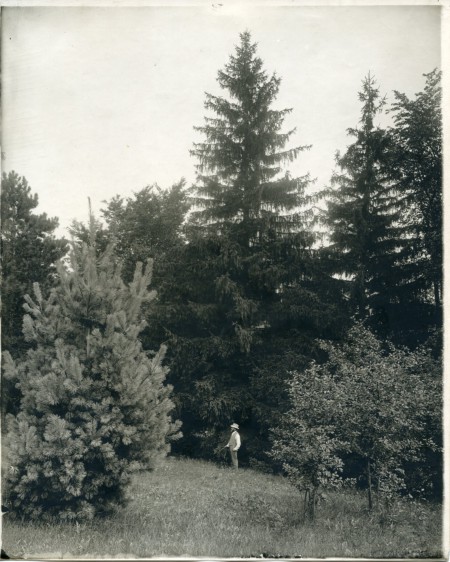
George G. Booth by Kingswood school area. c. 1906. Courtesy Cranbrook Archives.

Since it has yet to snow and cover the campus with glistening white, I though it best to show the beauty of the greenery and foliage all over this campus. Enjoy the end of the year and holidays with this photo of George G. Booth in the midst of the nature of Cranbrook! We will see you next year!

– Stefanie Kae Dlugosz, Collections Fellow, Center for Collections and Research

Photography: The Art of Our Time

croze003

Cranbrook Archives/ Mary Ann Lutowski Papers.

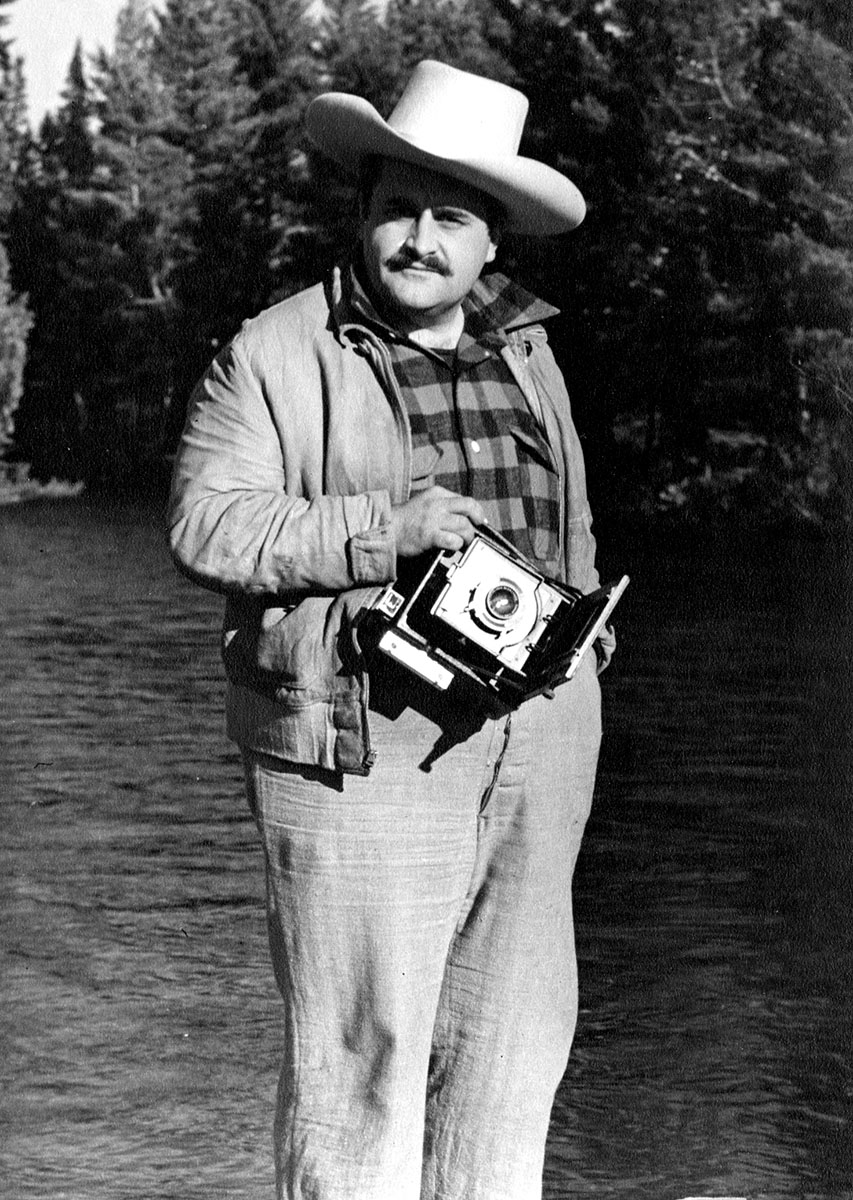
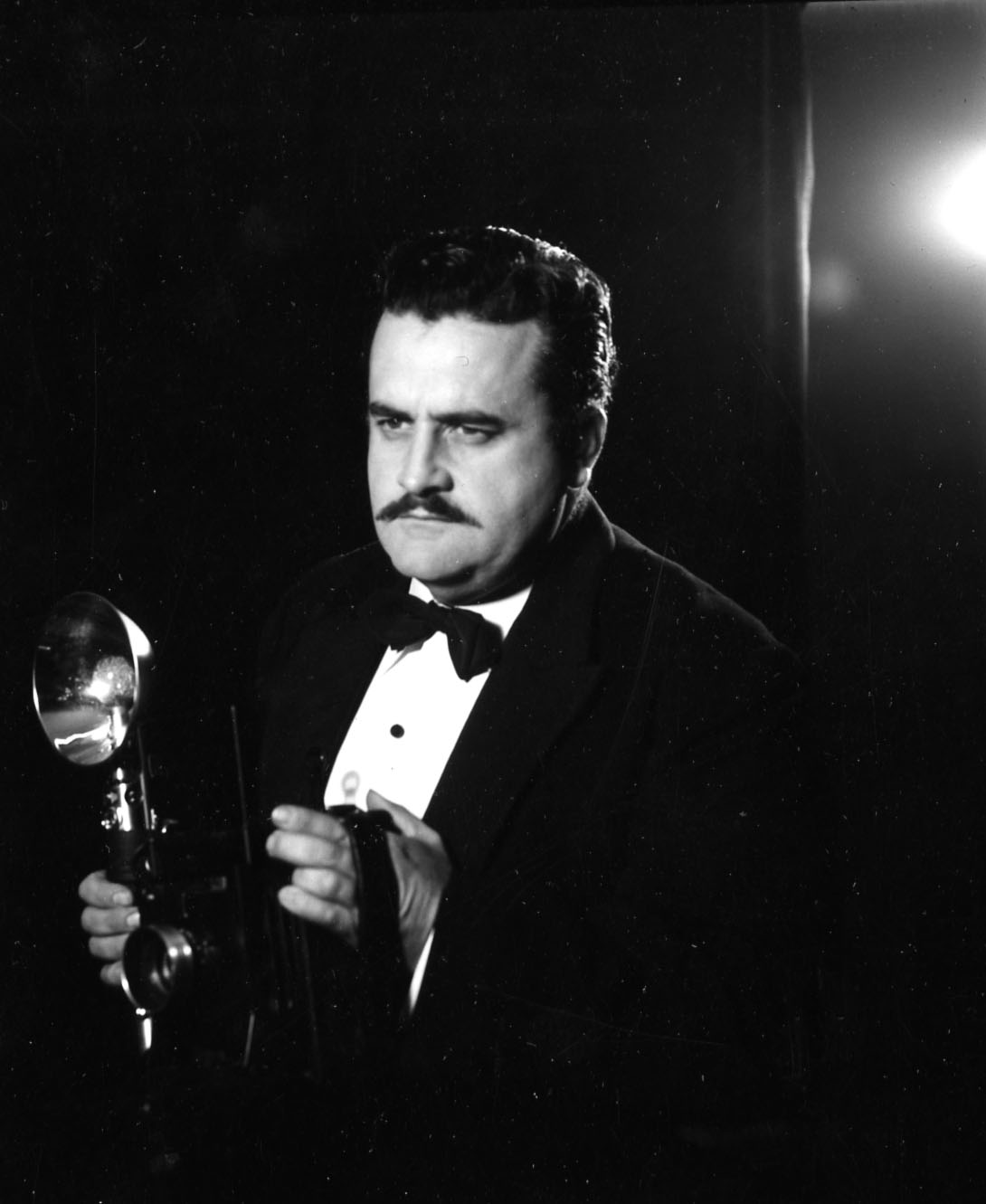
Most people at Cranbrook have heard of Harvey Croze (1904-1973).  From 1944-1970 he served as the primary photographer for the Cranbrook Foundation.  During his tenure here, he produced thousands of photographs, ranging from sculpture and architecture to photographs of school athletics, parties, dances, and any number of other events.  He was particularly beloved by the Cranbrook Kingswood students for his jovial personality and sense of fun. He even wrote a song called the “Cranbrook Waltz” in 1953.

croze1

Cranbrook Archives/ Mary Ann Lutowski Papers.

Croze was born in Houghton, Michigan.  Short and stocky, he sported a big, black mustache and a Leica camera.  A former long distance swimmer who tried out for the 1938 Olympic team (but did not make the cut), Croze was a painter, actor, and Dominican Republic sugar plantation supervisor before photography became his profession.  He studied modern design and photography with Nicholas Haz, took a photography course with Laszlo Moholy-Nagy at the Chicago Institute of Art, and studied photographic techniques with Ansel Adams in Colorado.  He acquired his photo processing skills when he worked as an apprentice in the darkrooms of Chrysler and General Motors.  And, he served on the executive committee of the Auxiliary War Photographer Service where he shot publicity photographs for the Red Cross and the service men at the USO centers during World War II.

croze002

Cranbrook Archives/ Mary Ann Lutowski Papers.

The third of the Cranbrook Foundation staff photographers, Croze was hired in Dec 1943 as photographer and operating manager of the Cranbrook Photo department.  Located in the basement of the Academy of Art Administration Building, the department provided a convenient service to the institutions and in order to provide photographs for press releases, the photo department was available 24 hours/7 days a week.  Not only did Croze take photographs and process them with his assistant Agnes LaGrone, he also taught photography to Academy of Art students and ran his own photography business on the side, primarily catering to Cranbrook-related artists.   During his 27 years at Cranbrook, Croze photographed many well-known celebrities including Carl Sandburg, Frank Lloyd Wright, Basil Rathbone, and General MacArthur.

5496-18

Cranbrook Photo Department, 1940. Richard G. Askew, photographer.


Croze was also nationally recognized for his photographs and exhibited at the Detroit Historical Museum, the Flint Institute of Arts, and the Smithsonian as well as numerous one-man shows here at Cranbrook.   In 1945, he won fourth prize in the San Francisco International Color Slide Salon and in 1960 was awarded a prize in the U.S. Camera magazine photo contest.

In June 1970, Croze’s impending retirement as well as financial deficits of the department led the Cranbrook Foundation to close the photography department. The photographic files were transferred to the Cranbrook Archives where they remain today.

Leslie E. Edwards, Head Archivist


Photo Friday: Fall is Leaf-ing Us

Oriental Bridge, 1980.  Balthazar Korab, photographer.

Oriental Bridge, 1980. Balthazar Korab, photographer.

Autumn is a second spring when every leaf is a flower.     –Albert Camus

Fall is probably my favorite time of year, and on the Cranbrook campus, there is no lack of beautiful spots to capture on film.  Though taken nearly 25 years ago, this photo captures the beauty and serenity found all around us.  Built before 1914, the bridge was originally called the Japanese bridge and was made of arched cypress.  How do we know this?  George Booth had meticulous inventories taken in the early days and every piece of wood, metal, and otherwise was accounted for!  Now, the bridge, part of the Oriental Gardens and known as the Oriental bridge, is painted red and is one of the centerpieces of  the gardens meticulously maintained by members of the Cranbrook House and Gardens Auxiliary.

With the recent winds and rain, the leaves are fast falling from the trees and gracing us with a different set of vistas.    Good-bye autumn leaves until next year.

Leslie E. Edwards, Head Archivist

Election Day: Mayor Vettraino

Dominick Vettraino at the wheel of Cranbrook's Fire Truck, ca. 1936. Vettraino Family Papers, Cranbrook Archives.

Dominick Vettraino at the wheel of Cranbrook’s Fire Truck, ca. 1936. Vettraino Family Papers, Cranbrook Archives.

In honor of Election Day I wanted to feature Cranbrook and the polls! In 1958, Cranbrook’s Dominick Vettraino was elected as mayor of Bloomfield Hills, the first native born Bloomfield Hills resident to hold the position!

Dominick Vettraino was the eldest son of Michael and Michaela Vettraino.  Mike was grounds superintendent for Cranbrook from 1905-1955 and all of his children except Dominick were born at Cranbrook. Dominick started working with his father on the grounds when he was 16 years old, and after Mike’s retirement, took over the position of superintendent.  In addition, he contributed substantially to the surrounding community.   After studying at the University of Michigan’s Fire School he was named chief of the Cranbrook Fire Department. He and his brother John Vettraino converted a Ford chassis into Cranbrook’s first fire truck, and eventually Dominick served as the head of Cranbrook’s Police Department.

After his many Cranbrook achievements he went on to serve the larger community of Bloomfield Hills.

Stefanie Dlugosz, Collections Fellow, Center for Collections and Research

Object in Focus: Gone but Not Forgotten

Buddy_blog

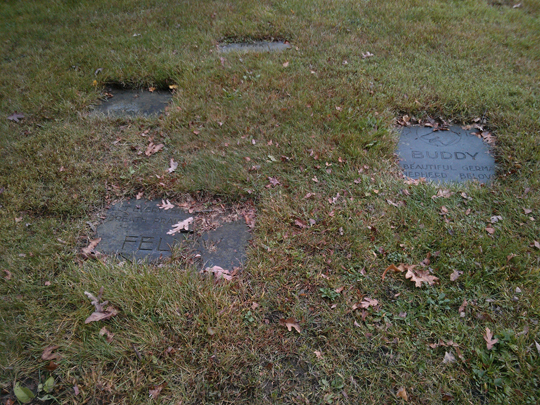
Grave of Buddy. Photo taken by Cheri Gay.

Taking a stroll one day on the grounds of the Thornlea Studio (where Cranbrook Archives was previously housed) I was startled to come across small tombstones, almost buried in the grass. What were these, I wondered? Seeing the names, I immediately understood: Buddy, Homer, Perky, Heinie, Fellow, Ricky, Zorah—a pet cemetery, which had seen better days.

Thornlea Studio was the artistic lair of Henry Scripps Booth, who designed and placed the building across the wide expanse of lawn from his home Thornlea. The family actually lived in the studio in 1949 when “… our daughter Melinda was a student at Kingswood. She was embarrassed by our living in “such a big house” and prevailed on her mother to close the house and move across the lawn to the Studio.”

The Henry Scripps Booth and Carolyn Farr Booth Papers document six dogs, almost all black and tan German shepherds. Receipts from Sheldon Granite Co. in Detroit reveal they made the monuments for Heinie, Perky and the lyrically named, Homer the Wanderer. A 1961 notebook paper receipt identifies Albert Leipold, of Birmingham, as the stone carver for Fellow’s monument for $40.

Mike

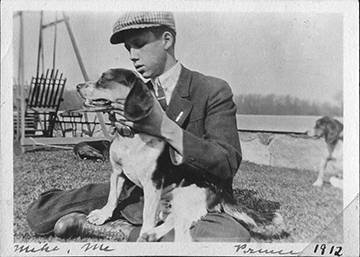
Henry Scripps Booth with Mike, 1912. Cranbrook Archives.

Buddy 1929

Buddy at Thornlea, 1929. Cranbrook Archives.

When Henry was growing up, the Booth family had beagles, Prince and Mike, and a great Dane, Ginger. Mike, according to Henry, “ … loved having a fuss made over him, one time going so far as being pushed around in a doll carriage while wearing a canvas hat.” Oh to have a photograph of that! When Henry had his own family, black and tan German shepherds predominated.

Henry’s photo albums, called Pleasures of Life, include 17 different dogs, though not all are his. His hand-written captions under the photographs always give the dog’s name followed by (dog) in case there’s any doubt, for example, in a photo of Cynthia and Curlytail, who is who.

Though the grounds and building of the Thornlea Studio are maintained, unfortunately that care doesn’t extend to Henry Booth’s lovingly buried companions. It’s a project waiting to happen.

Dog Graveyard_Blog

Thornlea Studio pet cemetery. Photo by Cheri Gay.

–Cheri Gay, Archivist

Photo Friday: Excavation at Greenwood Mound

William Colburn, February 1932. Cranbrook Archives

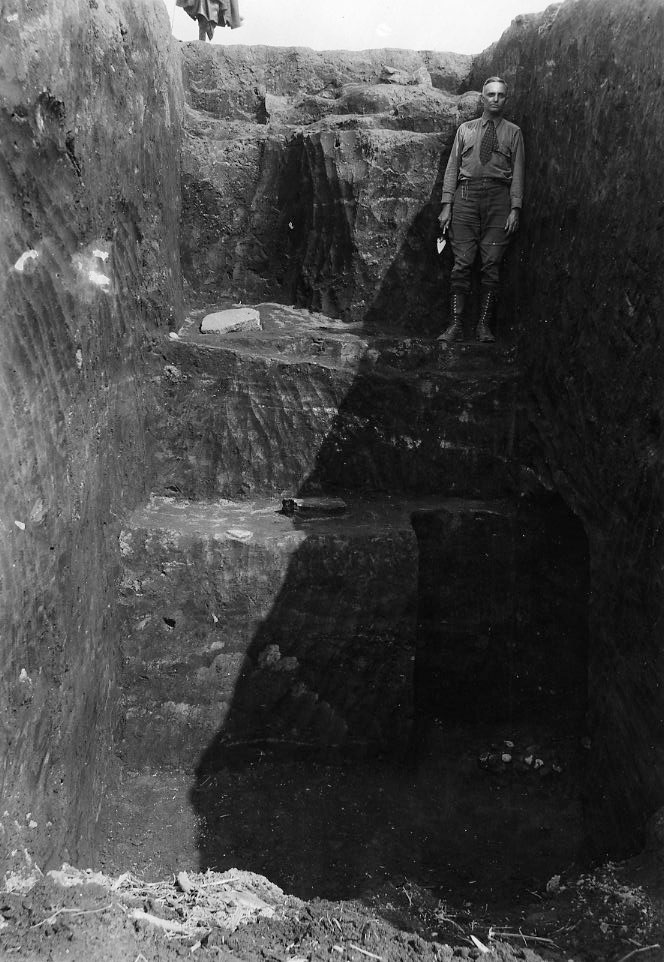
William Colburn, February 1932. The William Colburn Papers, Cranbrook Archives.

Team of men at dig. Cranbrook Archives.

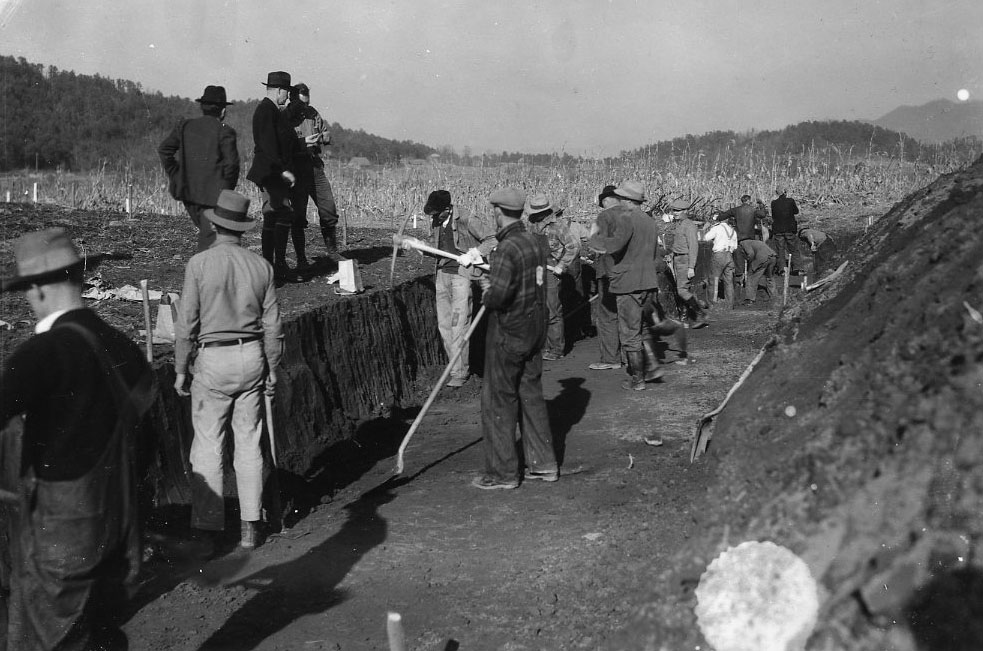
Team of men at dig. The William Colburn Papers, Cranbrook Archives.

In honor of International Archaeology Day, today’s Photo Friday is a tribute to Archaeologist William Colburn (1882-1966). Colburn, a Detroit native, first visited Cranbrook Institute of Science in 1932. He spent a few weeks in December of the same year fixing display and lighting issues the Institute had in the “mineralogical room.” It came to his attention in 1933 that there were multiple collections of mineral specimens held by the Detroit Museum of Art (now the Detroit Institute of Art) that were not being displayed due to lack of space. Colburn secured an indefinite loan of these collections to the Institute, and spent the majority of the summer of 1933 cataloging and displaying them. Subsequently, Colburn accepted a position on the Institute’s Board of Trustees, a position he held from 1933-1944.

Colburns sketch of the bowling alley. Cranbrook Archives.

Colburn’s sketch of the bowling alley. The William Colburn Papers, Cranbrook Archives.

"Showing field rocks on bowling alley after cloudburst." Cranbrook Archives.

Taken after the rain, the arrangement of fieldstones can be seen. The William Colburn Papers, Cranbrook Archives.

Colburn is well-known for an excavation he led in February 1932 of the J.J. Greenwood Mound, a Cherokee civilization near Dillard, Georgia. Although he did not find any major burials or relics, Colburn’s team did come across some interesting finds. In his report, Colburn describes the discovery of a stone alignment that he interpreted as a Cherokee “bowling alley” (a Native American game). A formation of fieldstones was found with a smooth hard-baked clay runway. A rainstorm shortly after the discovery shifted the original arrangement of the stones. Thirty-two disk-shaped stones with rounded edges discovered at the sides of the “runway” were used for the game. One of the stones was found with a chip that had been carefully repaired by the Cherokee.

Colburn's drawing of the mound site. Cranbrook Archives.

Colburn’s drawing of the mound site. The William Colburn Papers, Cranbrook Archives.

Colburn made several innovations for which Cranbrook became known, including internally lit display cases and back-lighting mineral specimens. Colburn  sought out specimens, making numerous trips to the Upper Peninsula, and even the Eastern and Western parts of the country, in order to build the collections at the Institute. Through his many excavations Colburn obtained numerous mineral specimens for the Institute. In addition, he bequeathed a generous amount of specimens to the Institute.

Gina Tecos, Archivist

Lost and Found in a Sea of Cranbrook History

Ye Triumphe Ship

Ye Triumphe Ship, CEC 1918.1

Every day at the Center for Collections and Research brings new adventures and discoveries. During a visit to one of the storage spaces on Cranbrook’s campus, I stumbled upon a curious object, which inspired me to research it and its past. Like most things around here, the object has a great lineage throughout the campus with connections to George Booth, the Detroit Society of Arts and Crafts, and Cranbrook School.

The Ye Triumphe model ship was crafted by Henry Brundage Culver (1869-1946), and although it is a model, it is a large one: about 40 inches long and 32 inches high. George Gough Booth purchased the Ye Triumphe in September 1918 from the Detroit Society of Arts and Crafts. The model, which was advertised in the Detroit Sunday News, had been on display in the window of the Detroit Society of Arts and Crafts shop during that same year.

Henry Brundage Culver worked as an attorney and also served as secretary for The Ship Model Society in New York. He participated in building ship models, and contributed to scholarship on the art of model-making. He produced several publications including Contemporary Scale Models of Vessels of the Seventeenth Century (1926) and The Book of Old Ships: Something of their Evolution and Romance (1924). In the introduction to Contemporary Scale Models Culver compares the art of ship-model building to that of painting.

The finest examples of these miniature vessels are, in the eyes of those best fitted to judge productions of the highest artistic quality, appealing in general composition, line, mass and technical execution, to the aesthetic susceptibilities of those, who have eyes to see, in a no less degree than do the best examples of pictorial art.”

­—Henry B. Culver, Contemporary Scale Models of Vessels of the Seventeenth Century, New York: Payson and Clarke Ltd.1926, pg.ix.

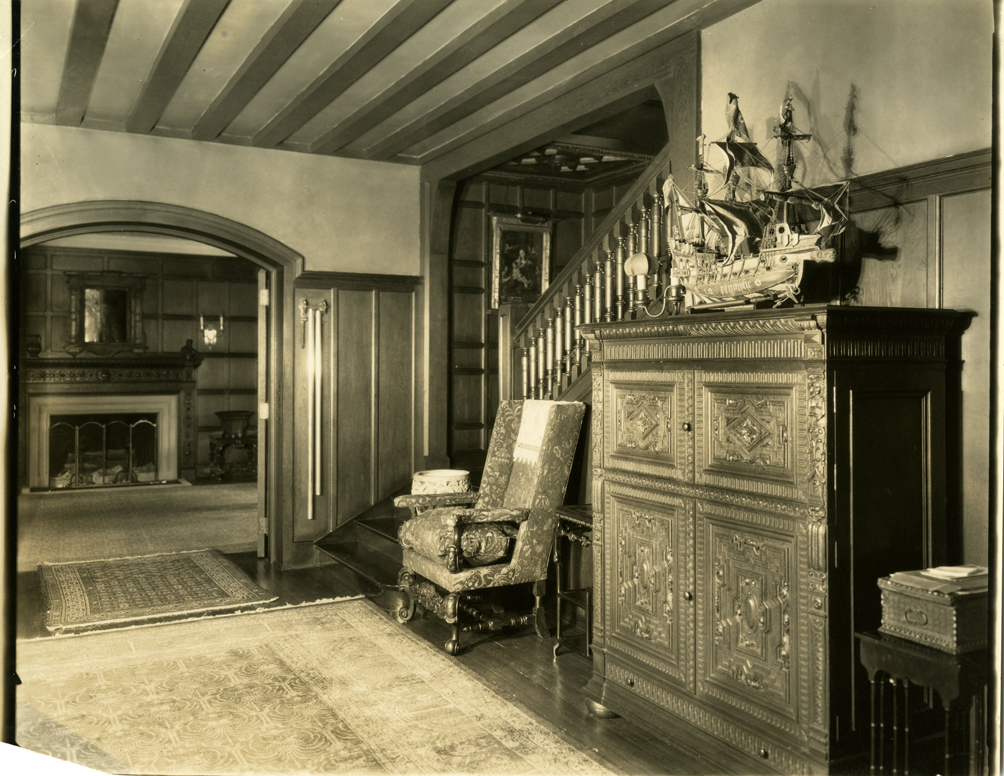
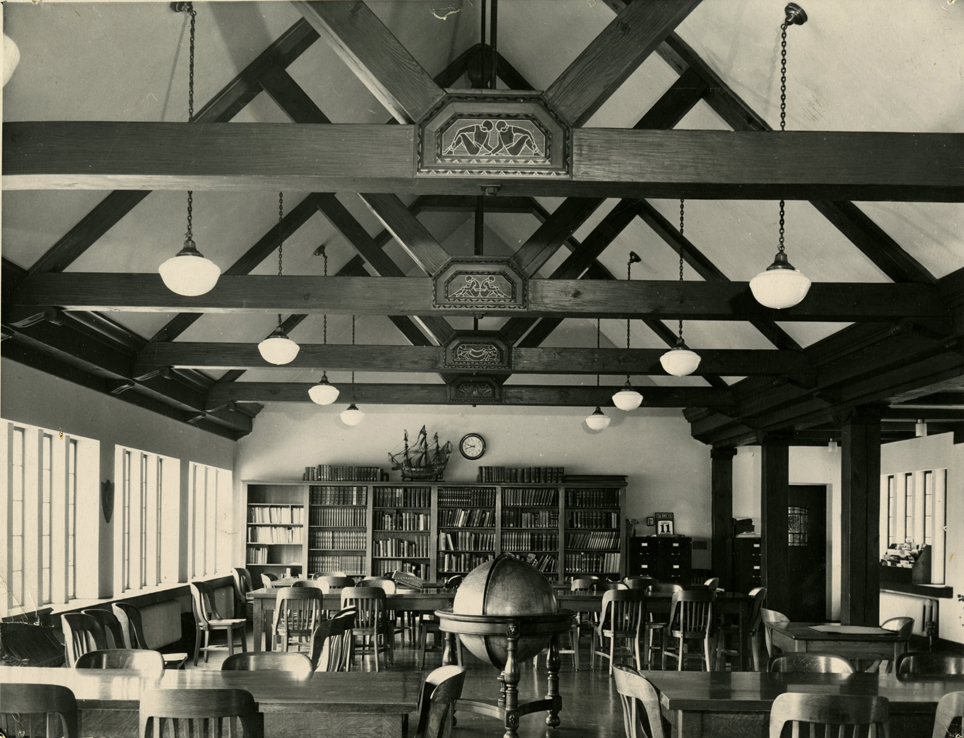
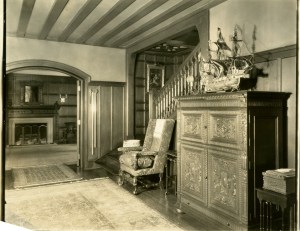
Originally, the ship was placed in the reception hall of Cranbrook House, and was later loaned by Booth for display in the library at Cranbrook School for Boys. Each of the photographs show the ship on display and its presence throughout Cranbrook.
CH_entrance hall_Ship_Blogpost

Cranbrook House reception hall, ca. 1920. Cranbrook Archives

CS_Library_Ship_Blogpost

Cranbrook School for Boys, Library interior, ca. 1945. Cranbrook Archives.

The Ye Triumphe will be returning to view at the Cranbrook Art Museum’s upcoming exhibition The Cranbrook Hall of Wonders: Artworks, Objects, and Natural Curiosities opening November 23rd, 2014. Come and check out the Ye Triumphe and many other fabulous objects from across the Cranbrook campus including works from the Center for Collections and Research, Cranbrook Art Museum, and the Cranbrook Institute of Science!

—Stefanie Kae Dlugosz, Center for Collections and Research, Collections Fellow
Create a website or blog at WordPress.com