The Little Brown House

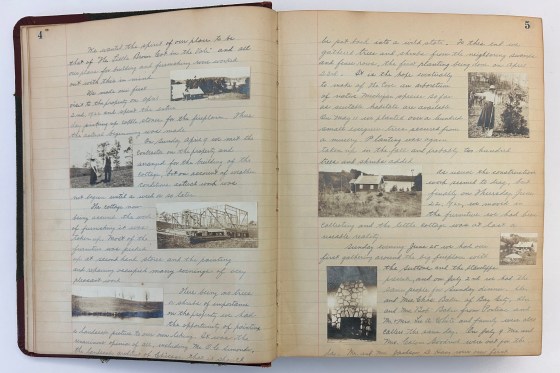
Twenty-five miles northeast of Cranbrook lies Lakeville Lake, which was once the site of Cranbrook Institute of Science Botanist, Cecil Billington’s summer cottage, the Little Brown House. Documented in Billington’s Papers, which were recently donated to the Archives, the story of the house provides a fascinating glimpse of one of Cranbrook’s earliest supporters and staff members.

Detail of a Cecil Billington’s property on Lakeville Lake, Oakland County, Michigan. Courtesy of Cranbrook Archives

Cecil Billington was an integral part of early Cranbrook history, serving on almost all the founding institutions’ governing boards, as well as the Cranbrook Foundation Board of Trustees (now Cranbrook Educational Community Board of Trustees). He was also a long-time business associate of Cranbrook Founder, George G. Booth, working for him at the Detroit News from 1897-1947 and serving as Secretary of the Evening News Association for twenty-eight years.
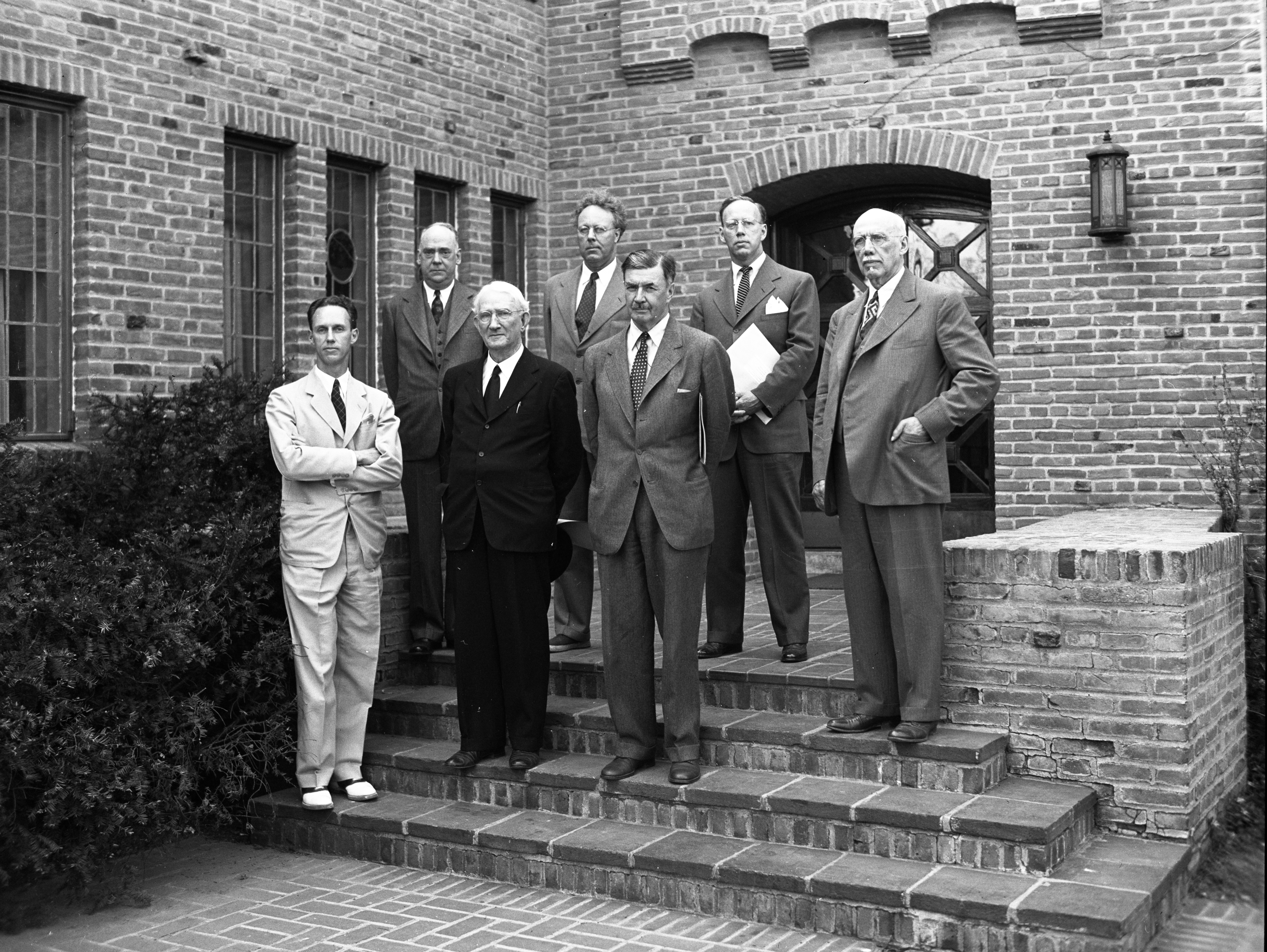
Cranbrook Foundation Board of Trustees, May 1942. Cecil Billington second from left. Courtesy of Cranbrook Archives.

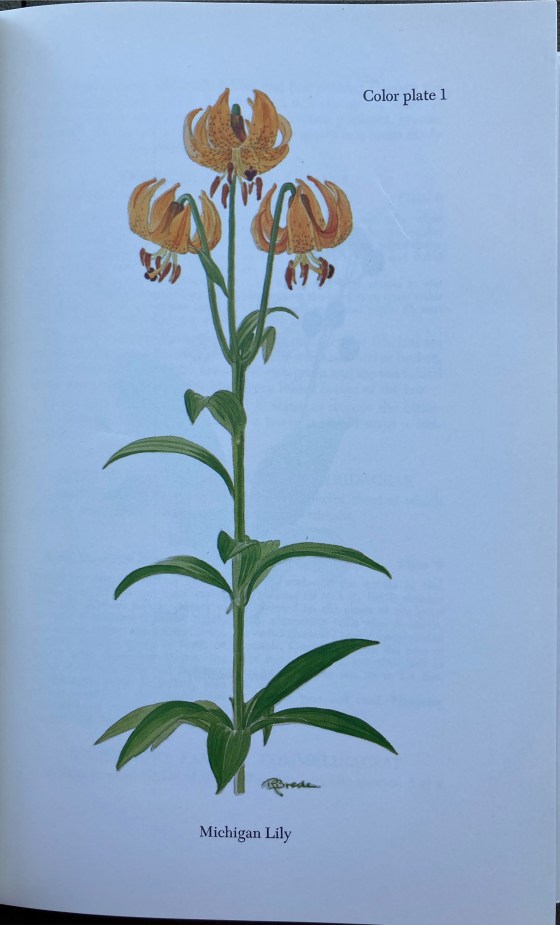
Most affiliated with the Institute of Science, in both an administrative and scientific capacity, Cecil Billington headed up the Institute’s first department of botany. As an amateur botanist, he focused particularly on Oakland County, including his Lakeville property. The Institute published both of his books, Ferns of Michigan and Shrubs of Michigan, and was also the recipient of Billington’s principal collection of plant specimens.

Similar to the papers of Institute Director, Robert T. Hatt, Billington’s papers include field notebooks and other items used in gathering specimens and conducting research that are invaluable for understanding the focus of the Institute in its earliest decades. But it is one book in particular that illuminates the man behind the research and particularly captures my attention and imagination.

West view of the Little Brown House, circa 1930s. Courtesy of Cranbrook Archives.

Log of the Little Brown House is part diary and part guest book, documenting sixteen years at The Cove, Cecil and wife Nina’s Lakeville property where they built their cottage. In it, Cecil records reminiscences of each year from 1922, the first year of ownership, to 1938 when the property was sold. His entries document land development and use, scientific study, and leisure activity. Interspersed with the diary entries are the signatures of the couple’s many visitors. Not surprisingly, quite a few of these are Cranbrook names: Lee A. White, Sanford Allen, Carl and Olga Milles, Robert and Marcelle Hatt, and various members of the Booth family, among others.
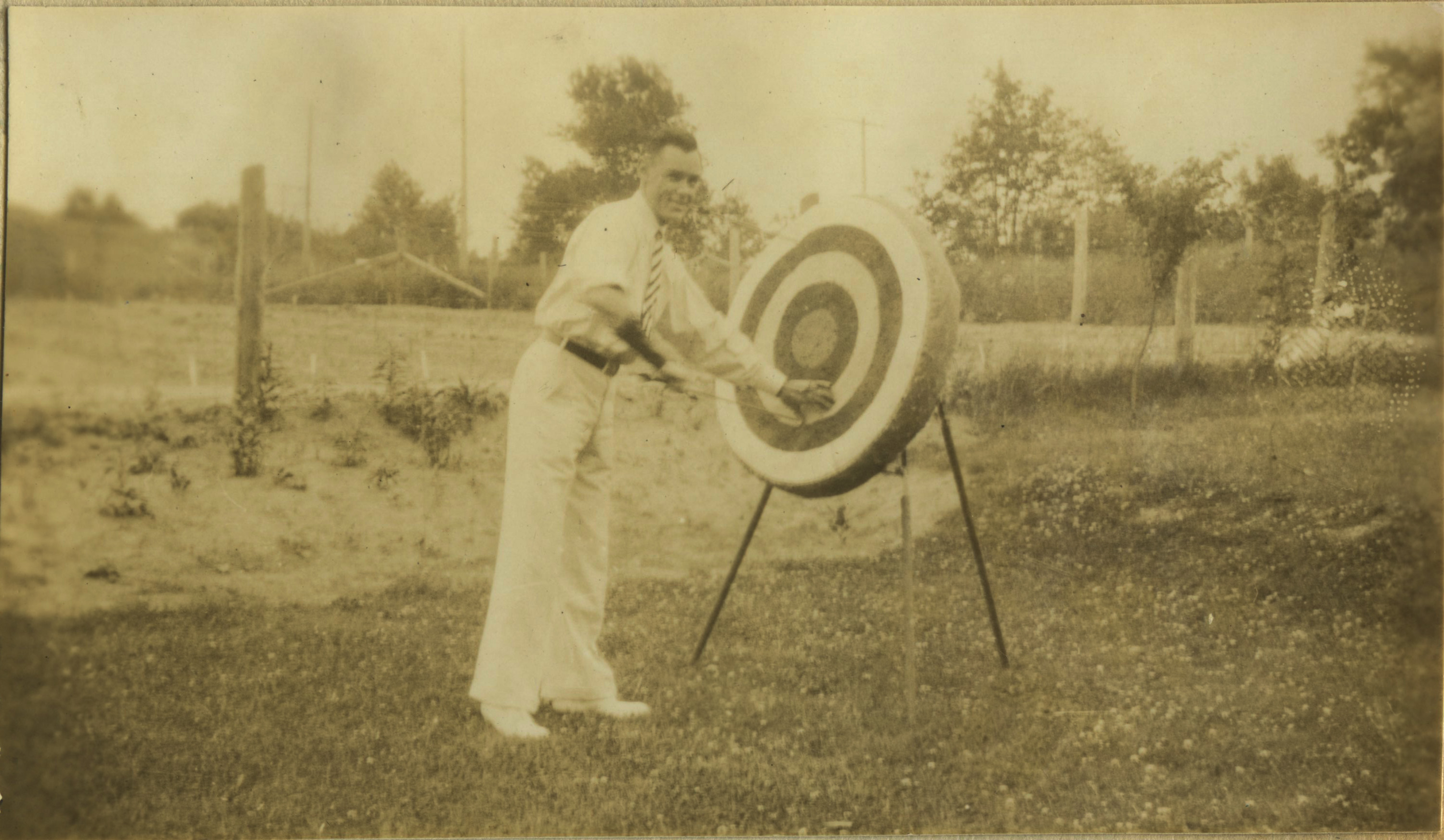
Little Brown House guest using the archery field. Courtesy of Cranbrook Archives.

The Billington’s desire to create a lake idyll that they could freely share with family and friends is recorded in the first pages of the logbook. In addition to building the cottage, over the years they created playfields consisting of archery, bowling on the green, croquet, horseshoes, an outdoor dining room, and a golf course! An entry by Lee A. White in October 1923 hints at the playfulness and freedom enjoyed by visitors: ““They that live by the sword shall perish by the sword.” In memory of the grievous wounding of our host in competition at archery.”  
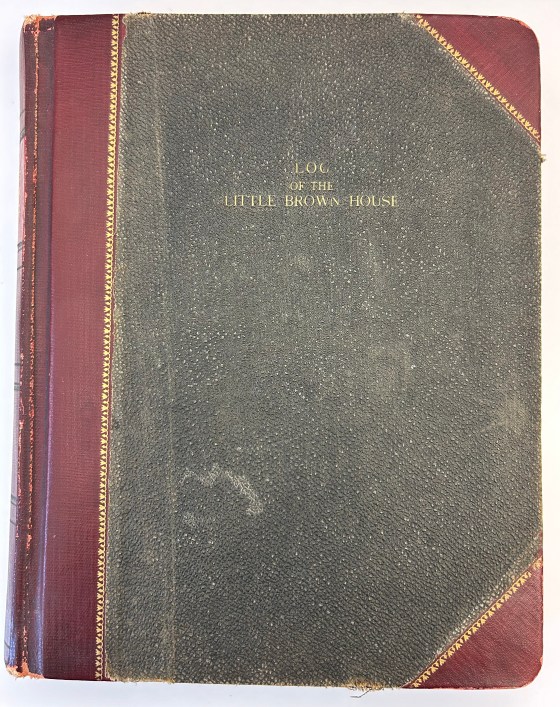
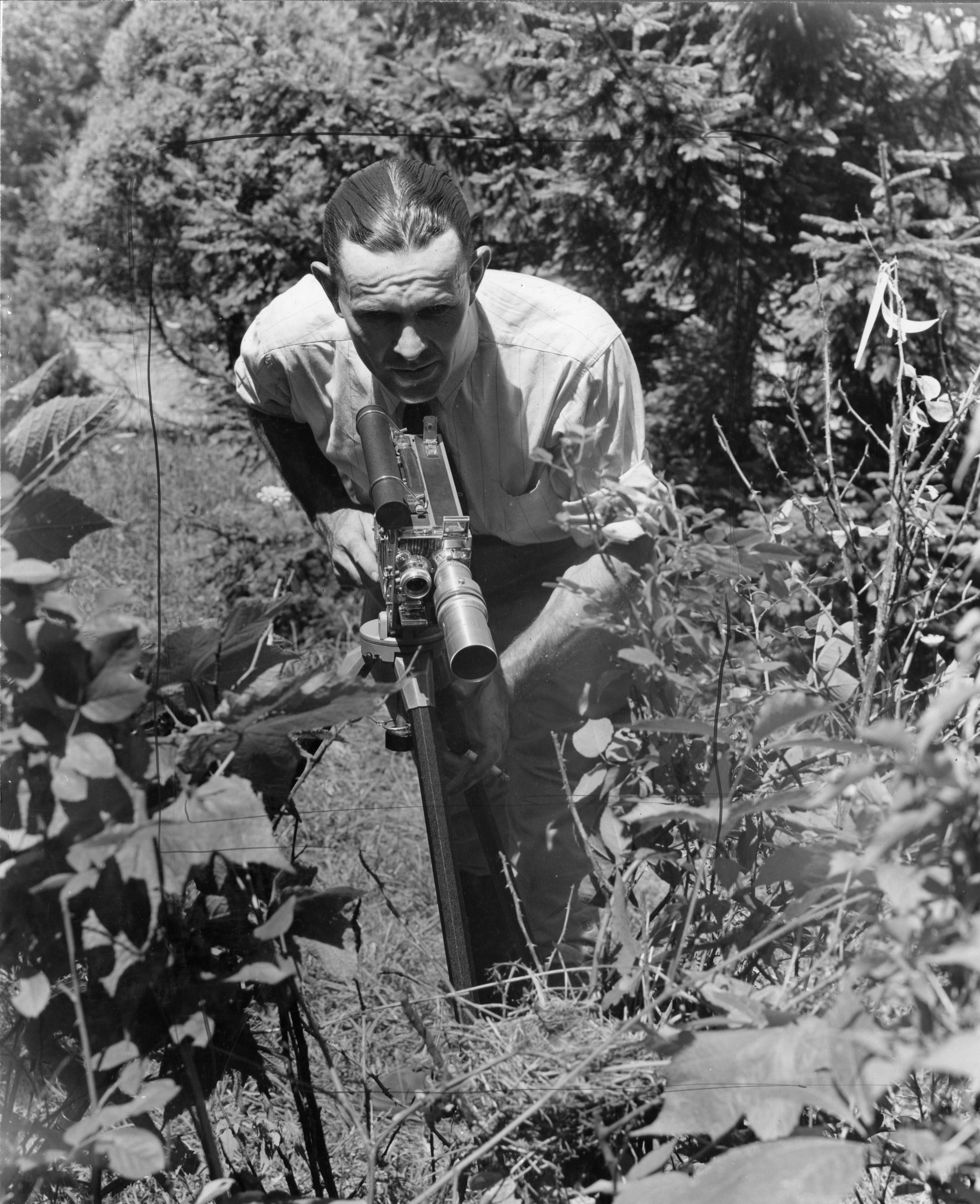
The written entries are illustrated throughout with photographs of the people, place, and things at the Little Brown House: a presentation of a trophy to the 1928 golf champion; the sunflowers planted for the chickadees and other birds; the building of an addition on the cottage.  Framing them all at the front and back of the book are several musings on the Little Brown House, published in the Detroit News and written by columnist Mrs. J. E. Leslie. It seems fitting to end this post with one such entry that may particularly resonate at this time of year:

Crimson woodbine along the line fence; woods brown and green burning with splashes of scarlet and yellow; farm gardens dry and bare—autumn and a drive to Little Brown House. Reaching out to enfold those of its world, is the great, lovely spirit of hospitality and friendship and sincerity that reaches the hearts of those who enter its door. That is the Little Brown House that is reached by a drive through the golden, mellow loveliness of an early autumn day.

Deborah Rice, Head Archivist, Cranbrook Center for Collections and Research

From Birdhouses to Wildflowers: Cranbrook Institute of Science Bulletins

We recently reorganized materials in the Archives Reading Room to provide easier access to Cranbrook Publications and encourage greater use of these informative resources. The first series available for ready reference are the Cranbrook Institute of Science (CIS) Bulletins, which are arranged in the full series of 64 issues. The Bulletins are periodically published works of original scientific research, which was part of the mission of the early Institute.

Newly shelved Cranbrook Institute of Science Bulletins. Photograpy by Laura MacNewman.

Initially established in 1930, the Institute’s stated purpose was, “to add to and strengthen the educational and cultural facilities within the State of Michigan.” It was established as a separate Cranbrook institution on February 10, 1932. An aim set for the staff was not only to supplement the facilities of the several Cranbrook Schools, but to engage in original research and publication, “to add to the sum total of human knowledge.” The CIS originally comprised nine divisions of scientific fields and administration: Astronomy, Geology, Botany, Entomology, Aquatic Biology, Mammology, Anthropology, Education, and Preparation, and the Bulletins reflect these fields of inquiry.

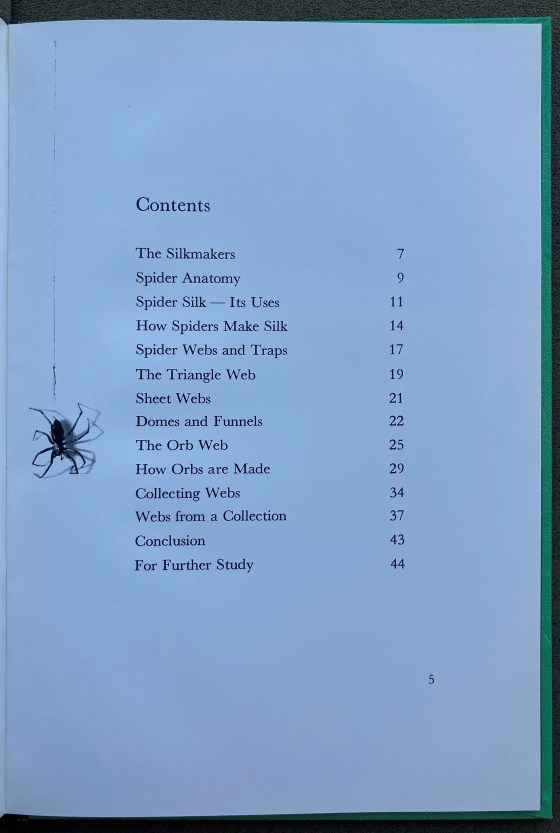
The Bulletins range in size, from pamphlets to hard cover books, and are published ad hoc according to the completion of research projects. The incredible diversity and particularity of topics make it exceedingly difficult to select which to highlight for your interest. Thus, I have tried to pick across the divisions of research to deliver to you an array of examples, not only works of scientific distinction but of artistic beauty and thoughtfulness in their presentation.

This series of periodicals, published between 1931 and 1999, focus predominantly on Michigan with some studies further afield. They are of unequivocal research value to students and scientists with an interest in the natural world, including its flora and fauna, lakes and fish, archaeological history, and geological development, as well as human geography and cultural history.

The CIS Bulletins are available for research in our public Reading Room. If you are curious to learn more and to explore their contributions to scientific knowledge, come and see! All are welcome to explore and study our collections by appointment Monday to Friday, 9am to 4 pm.

Laura MacNewman, Associate Archivist, Cranbrook Center for Collections and Research

Cranbrook Institute of Science Films Digitized

Cranbrook Archives is pleased to announce the preservation and digitization of eight Institute of Science early education films. Made possible through generous funding by the National Film Preservation Foundation (NFPF), these silent films were sent to a professional film lab where they were inspected and expertly cleaned, repaired, copied onto archival safe film stock, and scanned. Previously inaccessible to users due to their fragility, a combined ninety-four minutes (2,450 feet) of footage can now be viewed digitally.

Opening credits from Emergence of the Periodical Cicada at Cranbrook, 1936. Courtesy of Cranbrook Archives.

In a post exactly one year ago, I first mentioned the Institute’s early forays into the burgeoning educational film market of the 1930s. Using 16mm film technology (the amateur version of Hollywood motion picture film), Institute staff documented scientific field research, captured the work of exhibition preparators, and recorded educational programs. Many of these films were shown regularly to museum patrons and were often accompanied by lectures.

With the exception of one 1955 film, the NFPF grant films were all created between 1935 and 1938. Six of the films collectively display a range of astronomical, botanical, zoological, ornithological, and marine ecological research efforts. In addition to Emergence of the Periodical Cicada at Cranbrook, finished titles include Solar Prominences, featuring telescopic footage of solar flares, and Birds in Summer, which tells the story of newly born birds. Untitled films show the behavior of adult birds, deer, and coral reef life.

Birds in Summer, 1935. An Institute scientist can be seen banding a young blue heron. Courtesy of Cranbrook Archives.

While these snapshots in time may no longer be useful as originally intended – to educate the public on their present natural world – they do have the potential to inform current and future research on conservation or climate change. For example, a film on coral reef life, with its unique early underwater footage, offers the opportunity for comparing current conditions with those documented by Institute scientists three generations ago.

Untitled film with underwater footage of a coral reef, circa 1955. Courtesy of Cranbrook Archives.

The remaining two films demonstrate curatorial and membership activities. In one, staff are seen in the Institute library; painting scenes for exhibit backdrops and gathering botanical specimens in a forested setting; and making plaster molds of specimens in an Institute workroom. In another, Institute Junior Members and staff take a field trip to a local quarry to collect rocks and minerals.

Untitled film showing exhibition preparator, Dudley Blakely, painting a display case backdrop, 1936. Courtesy of Cranbrook Archives.

The Institute of Science film project marks the beginning of a concerted effort to digitize the Archives’ audiovisual collections. Due to their age, complex chemical/mechanical makeup, and obsolescent playback equipment (who still owns a VCR?), audio and video recordings capturing the sights and sounds of Cranbrook’s past are some of our most at-risk materials. I hope to share more stories of success in the near future!

Deborah Rice, Head Archivist, Cranbrook Center for Collections and Research

The Cinema of Science

What do birds, cicadas, and solar prominences have in common? These were all subjects of films produced by the Institute of Science in its first decade of existence. Maybe it’s those Mutual of Omaha’s Wild Kingdom episodes I watched in syndication as a kid, but when I uncovered films made and produced by some of the Institute’s earliest scientific staff, I felt like I had hit the jackpot.

The 2014 Center for Collections and Research exhibition, Cranbrook Goes to the Movies: Films and Their Objects, 1925-1975, featured a 1960 Institute promotional film titled, So, You’re Going to Visit the Institute, which introduced viewers to the museum’s exhibit halls. Fascinating though it is, the film was hardly the Institute’s first foray into film production.

Credits and introduction of So, You’re Going to Visit the Institute, Cranbrook Institute of Science, 1960. 16mm film, 13:14 minutes (full-length). Courtesy of Cranbrook Archives.

In fact, the Institute’s “Ciné Film Collection” had begun in 1935, just five years after the Institute opened. Scientists at the Institute, not merely content to rely on handwritten notes and still photography, embraced the new 16mm motion picture technology to record their field research and then craft educational films for Institute members.

Some of the raw footage taken in the field was recently recovered, courtesy of the Museum of Cultural and Natural History staff at Central Michigan University. These 177 films found their way back to Cranbrook after over fifty years on the road, journeying to North Carolina and back, by way of Mt. Pleasant, MI. Created by Walter Nickell (also affiliated with CMU’s museum), Edward T. Boardman, S.P. Stackpole, Florence Maxwell, and other Institute staff, several of them can be traced directly to the aforementioned early educational films.

Take for instance, Birds in Summer, the first production, which almost certainly used footage taken that same year by zoologist Edward T. Boardman, labeled “Great Blue Herons Bird’s Nests.” Couple that with the September 1935 Institute News-Letter [sic] announcement, “New Movies in Color,” which heralded the work of zoologists that summer, and you get a fuller sense of the flurry of filming activity. The article goes on to mention the capture of new footage of Michigan animals, including hummingbirds, baby herons, and others, that were soon to be edited into films.

Institute staff continued to film birds even after the 1935 educational film was completed. Walter P. Nickell, July 27, 1944. Harvey Croze, photographer. Courtesy of Cranbrook Archives.

Another early film drew from raw footage now in the Archives, perhaps again at the hand of Boardman or Donald T. Ries, Curator of the Division of Insects. Emergence of the Periodical Cicada at Cranbrook was released the following year and had several showings.

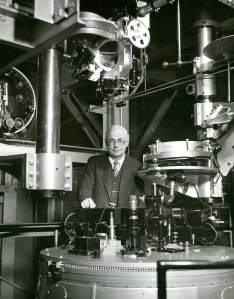
Also in 1936, a modern solar tower was built at the new McMath-Hulbert Observatory in Pontiac that made possible a film by Robert R. McMath, Institute Trustee and Chairman of the Astronomy Division, and Director of the Observatory. The film was shown publicly for the first time in the Cranbrook Pavilion, to the largest Institute audience to date: 575 people.

View of Dr. Robert McMath at the controls of the McMath-Hulbert Observatory’s solar telescope, 1940. Courtesy of Cranbrook Archives.

Some 3,000 feet of motion picture film footage was shot in just the first year of production, alone. Though it’s not yet confirmed how many in total were produced in the 1930s, nine resulting educational films are currently preserved in the Archives. While research work is the predominate focus, other films include exhibitions and staff activities, including field trips with the museum’s junior members.

Junior Members, on a field trip, descend into a quarry in Monroe, MI, September 1935. Courtesy of Cranbrook Archives.

Like So You Want to Visit the Institute, the Archives hopes to digitize all nine films. Get your popcorn ready!

Deborah Rice, Head Archivist, Cranbrook Center for Collections and Research

Behind-the-Scenes: Bringing Art, Science, and History to Cranbrook’s Tables

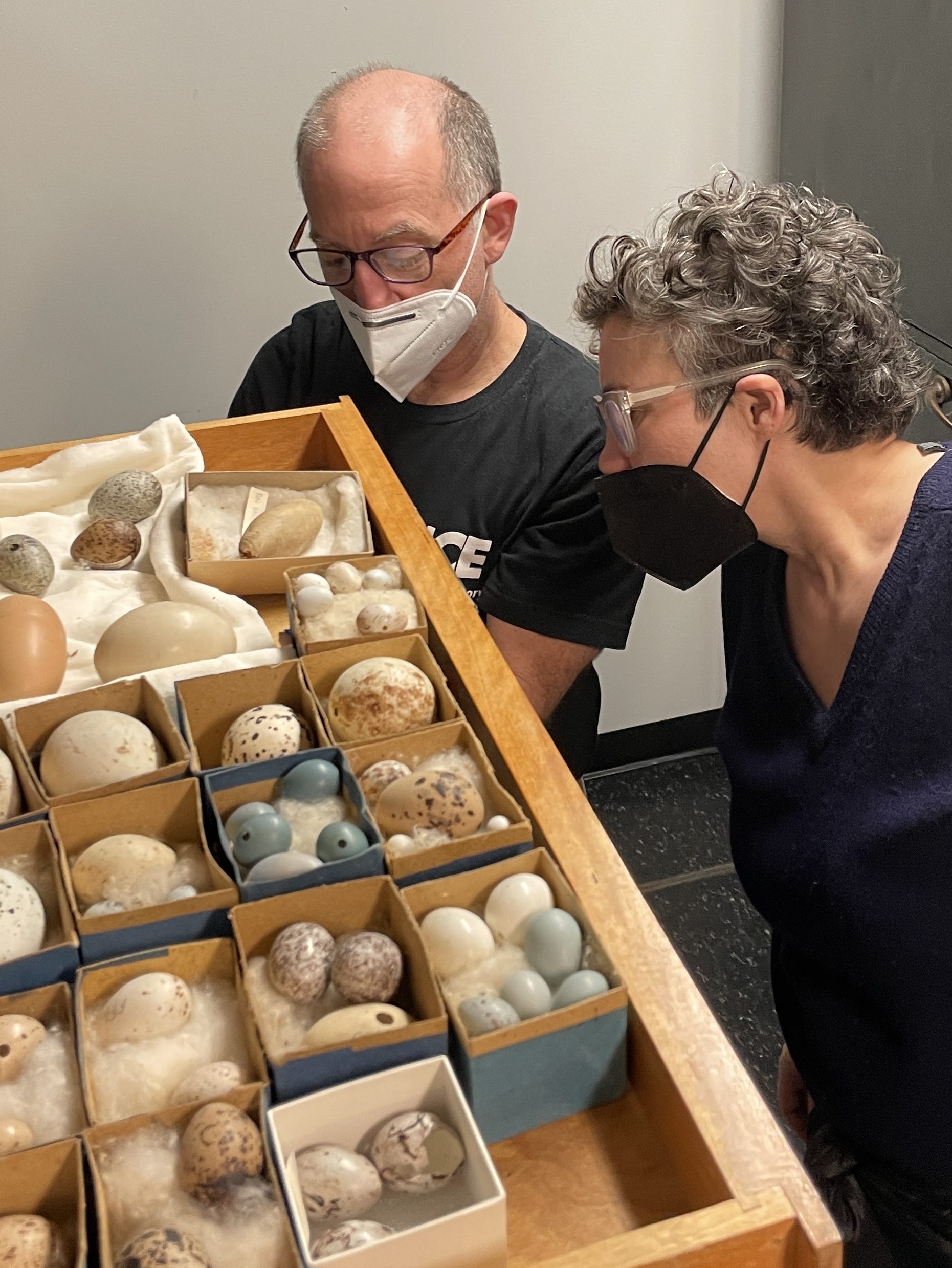
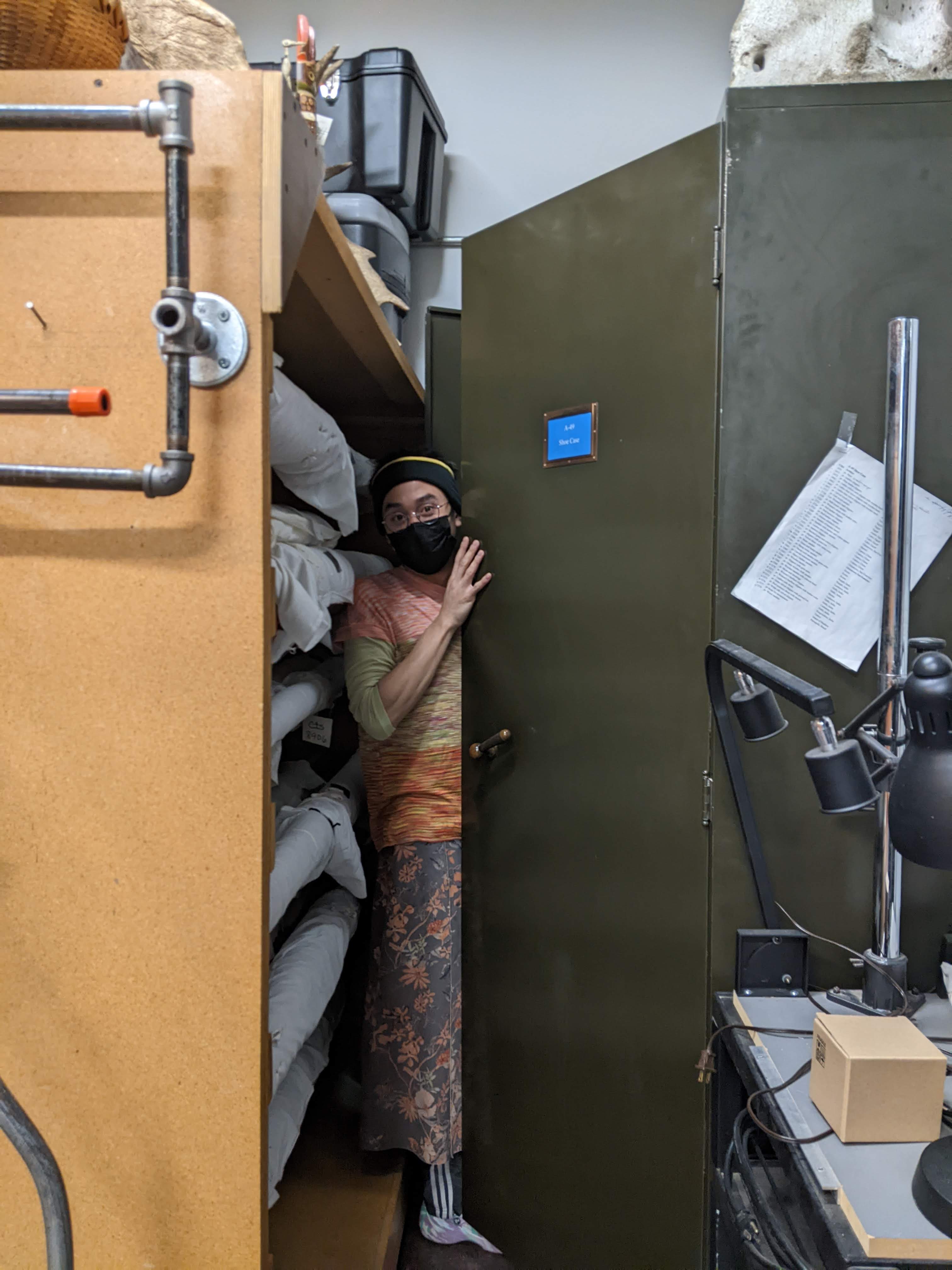
Eric Perry photographs work from Megha Gupta (CAA Ceramics 2023) alongside collections from the Frank Lloyd Wright-designed Smith House and eggs from Cranbrook Institute of Science.

If you walked into Cranbrook House, Saarinen House, or Smith House this week, you might have noticed some surprising guests have arrived at the table. Your Center for Collections and Research team have been busy installing Brought to the Table, the fifth intervention of new work by Cranbrook Academy of Art students and Artists-in-Residence in our three historic homes.

This year’s virtual exhibition is a Cranbrook-wide collaboration that brings site-specific work from across the Academy’s eleven departments into conversation with objects from Cranbrook’s Cultural Properties, Art Museum, and Institute of Science collections.

Kiwi Nguyen (CAA Metals 2023), Iris Eichenberg (Metals Artist-in-Residence), and Kevin Adkisson (Center Curator) strategize in the Saarinen House studio.

Brought to the Table engages with the long tradition of functional art at Cranbrook and pairs new works of art with objects from the Cranbrook collections made for dining tables, coffee tables, desks, or side tables. Before the exhibition kicks off at the Virtual Opening and Lecture on March 27th, I’d like to give you a sneak peek at the exhibition process.

This was my first experience curating contemporary art and I was grateful to learn from my capable co-curators, Metalsmithing Artist-in-Residence (AIR) Iris Eichenberg and Center Curator Kevin Adkisson.

From planning with Kevin and Iris; coordinating with our wonderful Academy artists; selecting objects with colleagues at the Institute of Science and Art Museum; installing with the help of students; and assisting with photography, this exhibition took me all over the Cranbrook campus.

Continue reading

Cranbrook’s Great Books (Part II)

In Part I of this post, we explored Cranbrook’s love of the book, from its origins with founders George and Ellen Booth, to the existing special collections at the Archives and Academy of Art. I invite you now to learn of the many rare, valuable, and historical tomes whose existence may be unknown to most or simply overlooked in collections at the Schools, Institute of Science, and two historic homes cared for by the Center for Collections and Research: Saarinen House and Smith House.

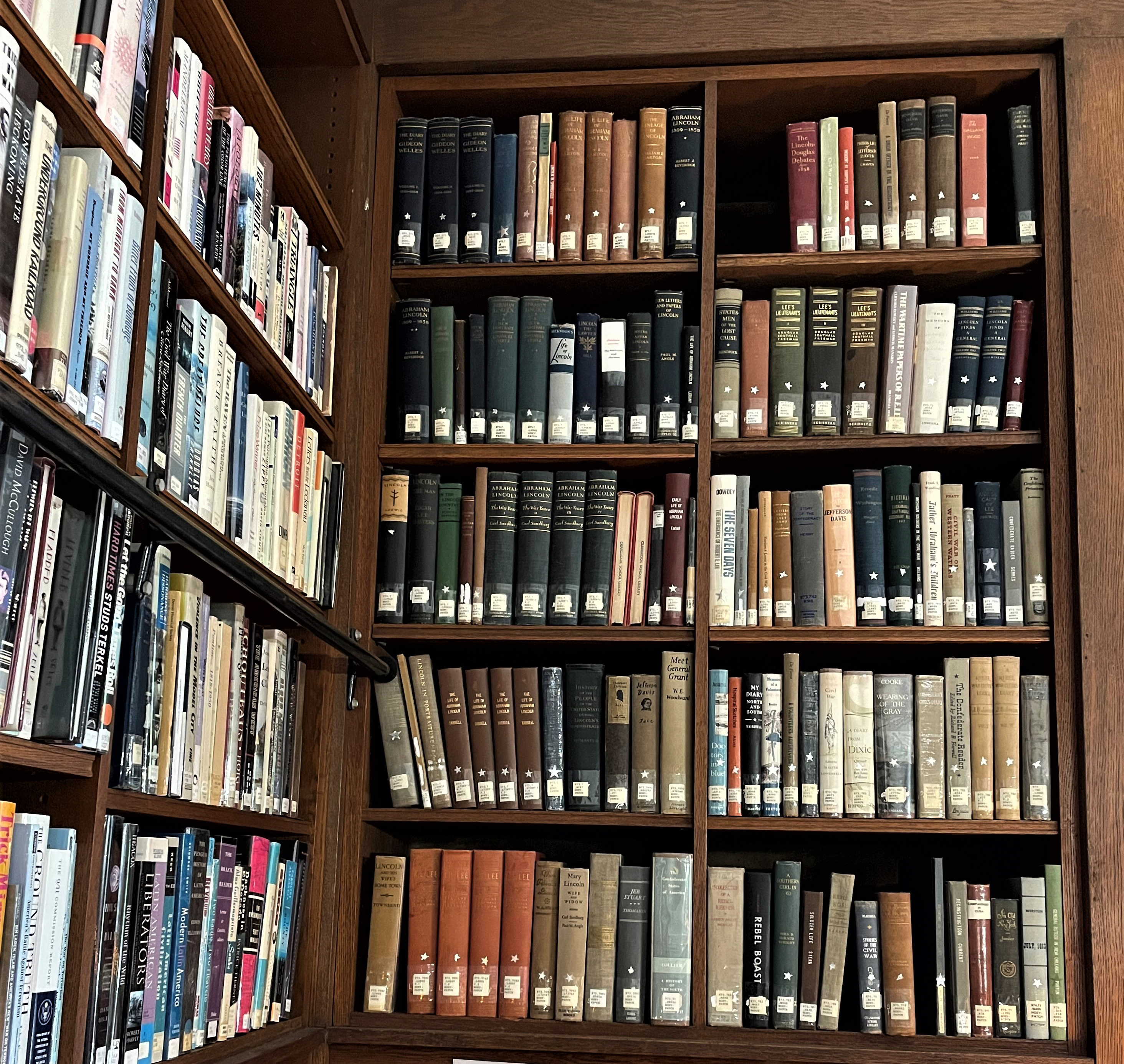
Hoey Patch Collection at the Cranbrook School Library. Courtesy of Kate Covintree, Cranbrook Kingswood Upper Schools.

Like the Academy of Art, although not at all on the same scale, books from George and Ellen’s Cranbrook House Library were dispersed to the Cranbrook Schools Libraries, now comprised of five separate spaces. Following the Booth’s example, Cranbrook School Headmaster Harry D. Hoey (1950-1964) and Latin teacher George Patch (1928-1944, Emeritus 1944-1950) donated 120 books from their personal libraries to the School’s library in the 1950s, forming one of several special collections. Known as the Hoey Patch Collection, all of the volumes focus on an aspect of Abraham Lincoln or the American Civil War.

He Knew Lincoln, a fictionalized account written by Ida Tarbell, a progressive journalist, and published in 1907. The book’s custodial history is documented with correspondence from the author, written directly on the inside of the book. Courtesy of Kate Covintree, Cranbrook Kingswood Upper Schools.

Highlights include a First edition of The Life of Abraham Lincoln, the first full-scale biography of the President. Written by newspaper editor J.G. Holland, it was published shortly after Lincoln’s assassination in 1865. Also included is a first edition, two-volume set of the Personal Memoirs of U.S. Grant. Ulysses S. Grant penned his autobiography shortly before his death in 1885 as a means of financial support for his family. It was published with the support of his friend Mark Twain by the Charles L. Webster Company (owned by Twain’s nephew).

Continue reading

Cranbrook’s Great Books (Part I)

Across Cranbrook’s campus are eleven different spaces, including the Archives, that house book collections – some 110,000 physical items. Several of these spaces are typical school or academic research libraries, where students, faculty, and staff can check out the majority of these books. As a library and information science professional, I champion the importance of these lending libraries and the egalitarian access to information they provide.

In this post, however, I’d like to focus on Cranbrook’s non-circulating book collections – those rare, historic, or valuable tomes that, in many cases, hide in plain sight in public areas. With help from colleagues at the Academy of Art, Schools, Institute of Science, and Center for Collections and Research, I’ll highlight some of these gems that promise to delight the bibliophile, art appreciator, historian, or simply the Cranbrook curious.

Cranbrook’s special book collections are carefully preserved as both informational and evidential artifacts, and many are housed within cultural heritage areas. Valued not only for research purposes, they also serve as historical objects which help individually or collectively to tell the Cranbrook story.

South end view of the newly completed Cranbrook House Library, 1920. John Wallace Gillies, photographer. Courtesy of Cranbrook Archives.

The origin of book collecting at Cranbrook actually predates any of the current collection spaces and begins with Cranbrook founders George and Ellen Booth. George, in particular, was an enthusiastic collector, and started acquiring volumes in 1900, commissioning purchases of William Morris works and other fine books in London. As George explained, “I am not a millionaire and cannot pay the big prices now prevailing in New York.” His strategy allowed him to accumulate 1,000 books by 1916, effectively seeding the Cranbrook House Library Collection when construction of the library wing was completed four years later.

Continue reading

Photo Friday: Coastal Life in Maine

Recently returned from a sojourn to the coastal towns of Midcoast and Downeast Maine, the sights, sounds, and rhythm of the ocean remain with me still.  For eight days many activities, particularly swimming and beachcombing, were often dictated by the tides. Twice daily the ebb tide revealed fascinating marine life – plant and animal – in tide pools, beaches, and on rocks, of which I attempted to capture with my iPhone camera to varying degrees of success.

One of the good ones! View of Spruce Head from Clark Island, Maine. July 2021.

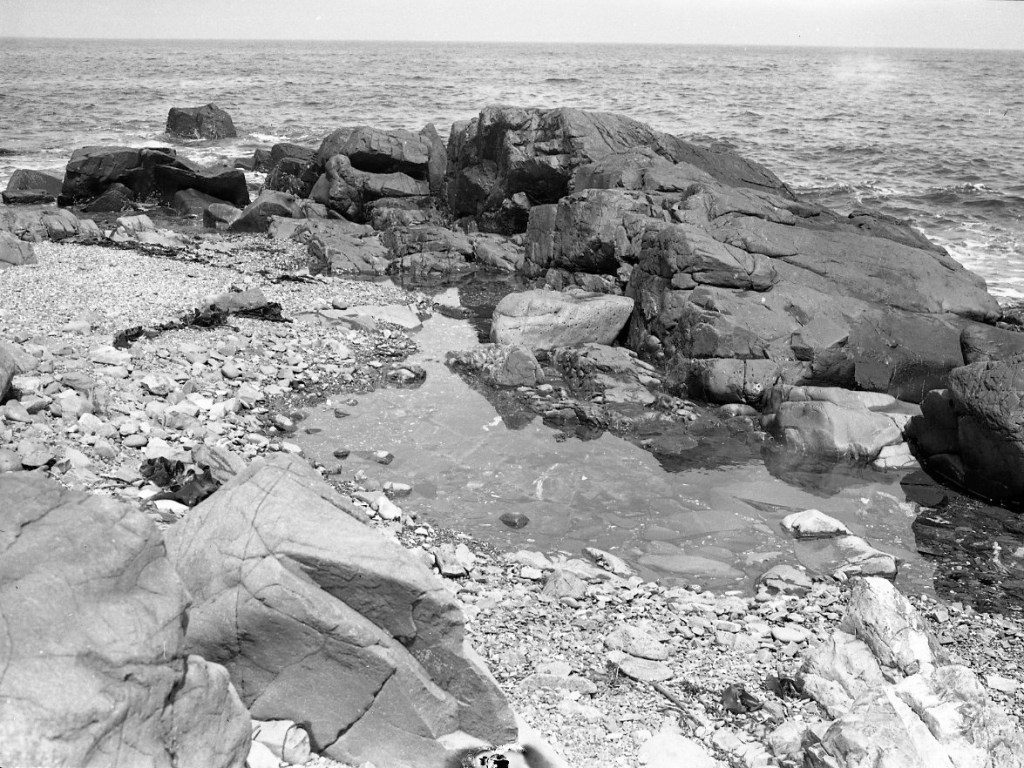
Photographs taken by Institute of Science Exhibition Artist and Preparator, Dudley Moore Blakely, do much more justice to the varied species found in tidal pools along this majestic coastline. He, too, spent a part of his summer in Maine, traveling instead in 1948 to the southern beach towns just over the New Hampshire state line.

Blakely’s trip involved field studies for a permanent biological exhibit, Between the Tides, which would be mounted in 1949, after his departure for the Boston Museum of Science.

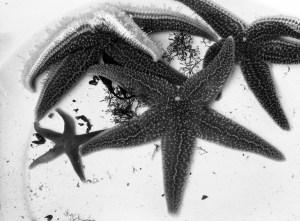
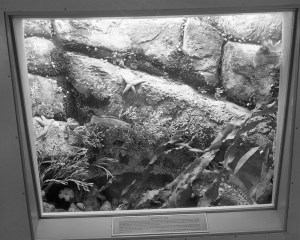
Blakely’s photographs helped him simulate in rubber mold casting the barnacle encrusted rocks, and exhibition staff members George Marchand the lesser algae and animals, Luella Schroeder the kelp, and Dorothy Olsen Davies the sea anemones. The exhibit’s purpose was to recreate the “zonal distribution of life in response to the rhythm of the tides.” (Cranbrook Institute of Science 1949-1950 Annual Report, Vol. 20, p.14)

A man of unique talents, Blakely also created a ripple pattern of lighting for the Tides exhibit where “light from a single source passes through actual waves on its way to the exhibit.” (Cranbrook Institute of Science Newsletter, October 1949, Vol.19:2, p.23)

Between the Tides exhibit, Alcove 5, Cranbrook Institute of Science, 1949. Courtesy of Cranbrook Archives.

Dudley Blakely oversaw the exhibition department at the Institute from 1936-1948 (except during the war years), where he designed and fabricated exhibits and provided architectural drawings and models for the Institute.

Deborah Rice, Head Archivist, Cranbrook Center for Collections and Research

Exploring Africa with Dr. Hatt

In the summer of 1961, Dr. Robert Hatt, Director of Cranbrook Institute of Science (CIS) from 1935 to 1967, took a field trip to Africa to study small mammals in South Rhodesia (now Zimbabwe). Using his travel journals, photographs, and his published articles, we can follow his field work, analysis, and conclusions quite closely.

On his trip he kept one scientific journal and one for general observations from region to region, which provides a rich source for social, political, geographical, and anthropological insights into the region’s society.

Dr. Hatt and his wife, Sue, set off for Africa on July 1, 1961, traveling from New York to Dakar then through Ghana, Nigeria, and the Congo, arriving at the Atlantica Ecological Research Station (AERS) in Salisbury, (now Harare, Zimbabwe) on July 21st.

CISB5117b
Dr. Robert Hatt and his wife, Suzannah at the Atlantica Ecological Research Station in South Rhodesia, now Zimbabwe. August 1961. Courtesy of Cranbrook Archives.

Upon arriving at Salisbury airport, they were met by Rudyerd and Louise Boulton. Rudyerd, an American ornithologist and the Director of AERS, had invited Hatt to undertake the study with financial support from the New York Zoological Society. Hatt began his field study journal at this point, writing,

“The house is charming, stone walled, 1 storey, good garden beyond. The lab building attached still under construction but RB had my desk set up and equipped—a dozen volumes on mammals in a book shelf, ready to work. RB & I went out with my collector, Kenny, and made an incomplete circuit of the property, setting 15 Sherman traps out near stream.”

Journal #44, Africa. Robert T. Hatt Papers (1999-14)
Atlantica Ecological Research Station, South Rhodesia (now Zimbabwe). July 1961. Courtesy of Cranbrook Archives.

It is fascinating to see his research data in its raw form, which can be compared with his account in the CIS newsletter and a more formal and scientifically dense report in a published journal, later reproduced in Zoologica.

Hatt studied the small mammal population of Zimbabwe from July 21 until the beginning of September, similar to the research he conducted in Michigan and other regions (his doctoral dissertation was on a type of red squirrel). In Zimbabwe, he contributed to an understanding of the local fauna, which presents a nuisance to agriculture and animal husbandry.

With assistance from his wife, he captured mice, rats, shrews, and elephant shrews which were measured, weighed, and marked in the ears with a serial number to recognize them if recaptured. In the first three weeks of field work, they had marked and released over 150 animals with 65 recaptures, some recaptured 3 or 4 times.

Journal #44, Africa. Robert T. Hatt Papers (1999-14). Courtesy of Cranbrook Archives

Hatt variously notes these small mammals as generally uncooperative with the study, and remarks,

“This matter of ear marking is not to the animal’s liking and despite my use of rubber gloves and plastic handling boxes, rare is the morning in which I am not given some identifying perforation of my own by their sharp teeth.”

Cranbrook Institute of Science Newsletter, Vol. 31, No. 2, October 1961, p.13
Dr. Robert T. Hatt and his assistant, Kenny, handling mice. August 1961. Courtesy of Cranbrook Archives.

Hatt describes the landscape of the 150-acre Station as a combination of grassland and Brachystegia woodland, noting the prevalence of “picturesque kopjes” which provided good lookout sites and defensive structures for Bushmen and Bantu prior to the British colonial settlement of Salisbury in 1890. Most interesting are the “Bushmen paintings” that evidence early occupation of the area. One location, Somerby Farm, is recorded both photographically and in his manuscripts. This group of paintings indicates the presence of elephants, hippopotamus, buffalo, hartebeest, kudu, and reedbuck.

Somerby Farm Cave Paintings, South Rhodesia (now Zimbabwe). August 1961. Courtesy of Cranbrook Archives

The Hatts left Salisbury on September 4th, heading first to Arusha, Tanzania; then to Nairobi, Kenya; Uganda; Khartoum, Sudan; and finally to London.

Hatt’s small journal includes his observations along the way and his comments include the cockroaches in their first hotel bathroom, types of trees, cocoa tree disease, termites, religious missions, types of goats, museums, meetings, markets (and what was for sale in them), local people, anthropological marks of beauty, and signs on shops and wagons. The latter include “Aim High,” “Do Good,” “Still it makes me laugh,” “Give all to God,” and “Forget me Not.”

One comment on his journey from the Ivory Coast to Accra made me smile, as I could relate to the experience of plane food:

“Our plane, DC-3, was “First Class” and we were obliged to pay $50 extra for upgrading our ticket (Nigerian Airways). All we got for it was one whiskey and a sandwich which I wouldn’t eat.”

Journal #43, Africa. Robert T. Hatt Papers (1999-14)
Kiva Volcano and Travelers’ Rest in Kisora, Uganda. September 1961. Courtesy of Cranbrook Archives

Often archives hold information on individuals, institutions, and society that were not the original purpose of the document, and this is true with Hatt’s Papers. His field journals yield rich information not only on his process of data collection and analysis, but they also provide a lot of description of human geography and regions that he visited, as well as biographical insights into Hatt himself. The CIS collections are a wonderful resource for many avenues of study, and we would welcome researchers to come and explore these wonderful and valuable resources.

Laura MacNewman, Associate Archivist, Cranbrook Center for Collections and Research

Editor’s Note: This Sunday, join the Center for a fascinating discussion with Elizabeth Rauh, Assistant Professor, Modern Art and Visual Cultures, American University in Cairo for her talk, “Iraq en Route: A Photographic Journey, 1952-1953.” Rauh has conducted a year-long study into the photographs Dr. Hatt took on his 1952 trip to Iraq, and her presentation will weave together Hatt’s images with the history of both ancient and mid-twentieth century Iraq.

References

Hatt, Robert Torrens. The Mammals of the Atlantica Ecological Research Station, Southern Rhodesia, reprinted in Zoologica, Scientific Contributions of the New York Zoological Society, vol.48, issue 2, Summer 1963

Hatt, Robert Torrens. ‘Hunting Africa’s Smallest Game,’ Cranbrook Institute of Science Newsletter, Vol. 31, No. 2, pp.10-14

Observing Landscapes: Topography and Photogrammetry

One of my favorite items in the collections of Cranbrook Archives is George Booth’s hand drawn map of Cranbrook, which he created over a 24-year period between 1904 and 1928. It is the earliest topographical record of Cranbrook and visually documents his ideas and plans for developing the landscape. In 1951, George’s son, Henry, created annotations to accompany the map, which are useful both in deciphering the map and identifying locations. Henry’s notes on what was envisioned and what was implemented during those early years, are a good starting point from which to venture into the manuscript collections for verification.

Cranbrook Map drawn by George G. Booth between 1904 and 1928.
Courtesy of Cranbrook Archives

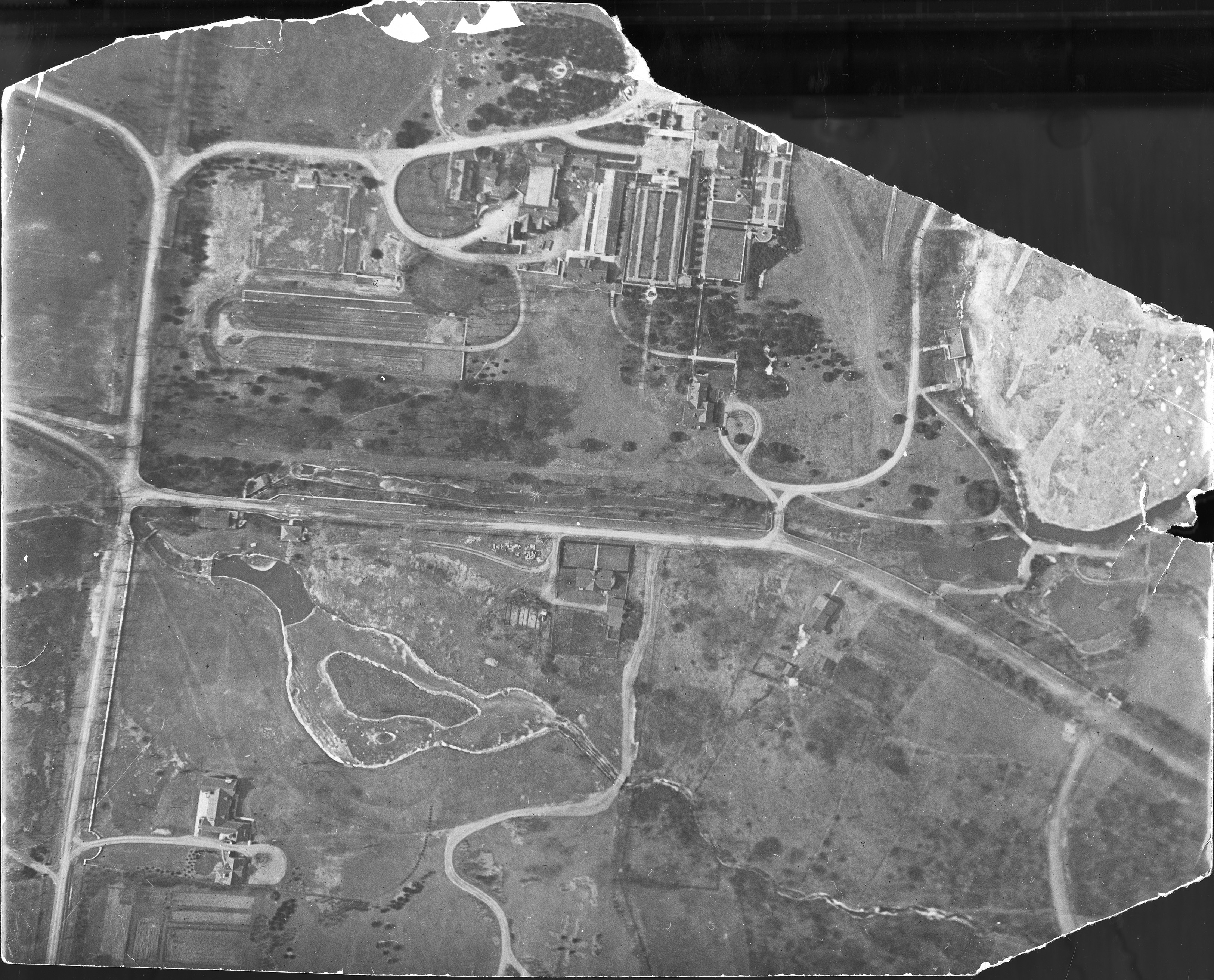
As Cranbrook’s landscape evolved from a family estate into a center for art and education, the means of recording and viewing the topography was assisted by developments in aerial photography, known as photogrammetry. Talbert Abrams, a native of Michigan, is regarded as a key contributor to this field of photography, as he founded the Abrams Aerial Survey Corporation in 1923. The earliest aerial photograph of Cranbrook I could locate is from circa 1918.

Aerial photograph of Cranbrook estate and environs, circa 1918.
Courtesy of Cranbrook Archives

In the Cranbrook Photograph Collection there are many aerial photographs taken by Abrams, as well as other photography firms, ranging from the 1920s through the 1990s. Since the purposes of aerial surveys are manifold, correspondence provides some insight into why they were commissioned and how they were specifically used, for example, as publicity and advertising. In 1932 Cranbrook’s public relations manager, Lee A. White, engaged Cranbrook School Headmaster William Stevens to select an image for the coming year’s brochure, and aerial views appear in all the early Cranbrook brochures. Aerial surveys have also been used to assess and understand the landscape prior to making a change to it. This was the case in 1961, when a topographic map and aerial photography were requested for the Off-Street Parking Study.

Letter from Keith A. Smith to Arthur B. Wittliff, November 1961.
Courtesy of Cranbrook Archives

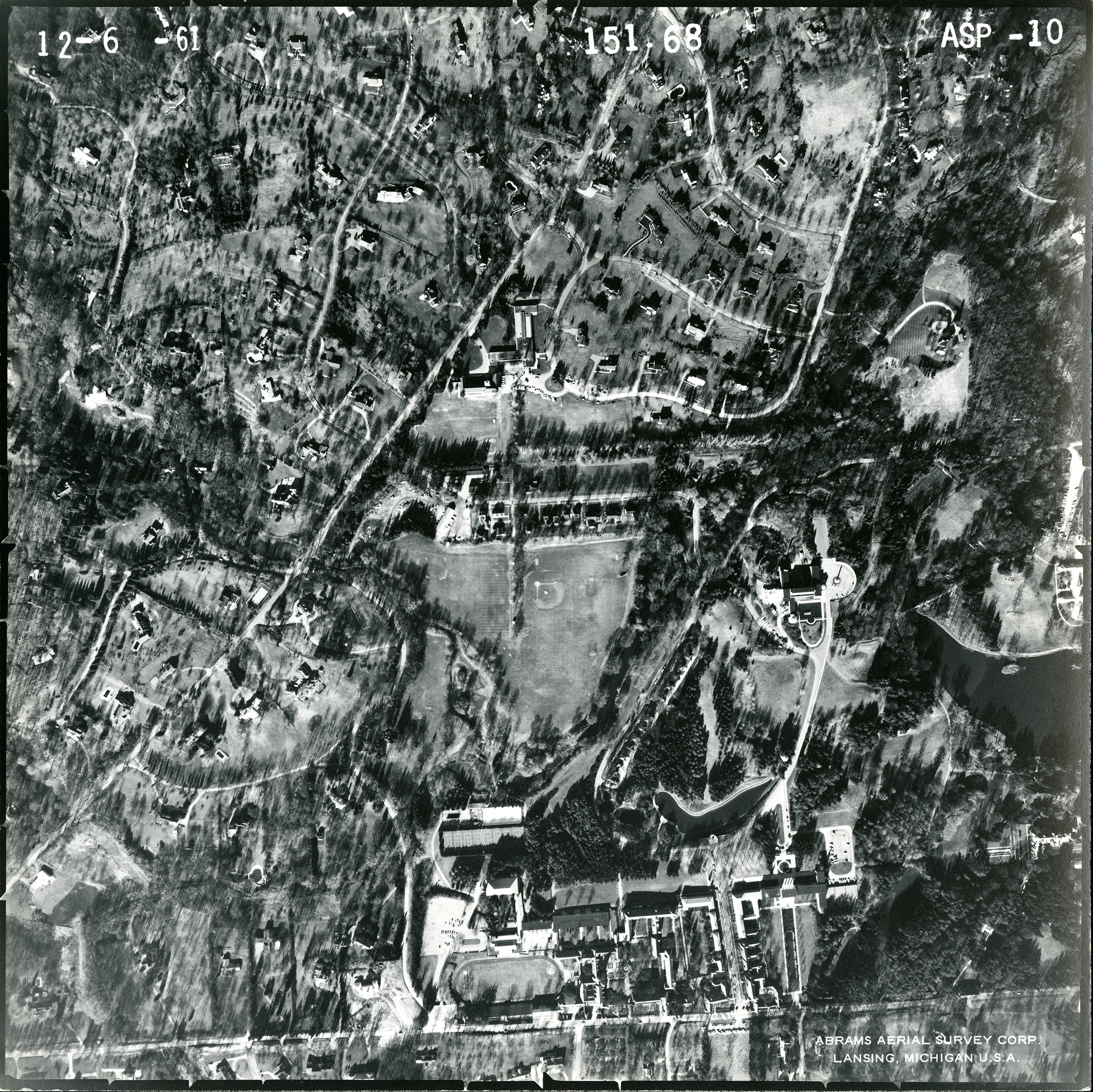
Correspondence between Arthur Wittliff, Secretary for the Cranbrook Foundation Board of Trustees, and Abrams Aerial Survey Corporation, provides intriguing details about the scale of the photography and the material base of the prints. The images below are from a December 6, 1961 set of 12 double weight velvet prints of aerials covering 1 square mile at a scale of 1 inch per 600 feet.

Aerial photograph ASP-5 taken by Abrams Aerial Survey Corporation on 6 December 1961.
Courtesy of Cranbrook Archives

ASP-5 (above) shows the intersection of Cranbrook Road and Lone Pine Road, and includes Kingswood School and Lake, the Institute of Science, Cranbrook House, Brookside School, Christ Church Cranbrook, and the Academy of Art and Academy Way. ASP-10 (below) shows another view of Cranbrook and its environs, encompassing the Institute of Science, Academy of Art, and Cranbrook School.

Aerial photograph ASP-10 taken by Abrams Aerial Survey Corporation on 6 December 1961.
Courtesy of Cranbrook Archives

When looking across the topographical history of Cranbrook from George’s map through aerial photographs, it is always fascinating to discern the changing landscape alongside the features that are unchanging. And, for me, the great inspiration of George’s map is that, although each individual project necessitated getting into the weeds and meticulous details, his ideas were always guided by situating them within a bigger picture.

Laura MacNewman, Associate Archivist, Cranbrook Center for Collections and Research

Create a website or blog at WordPress.com